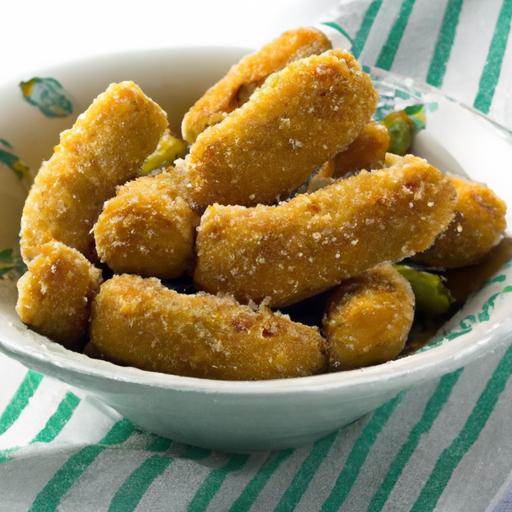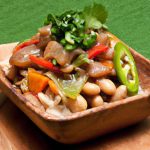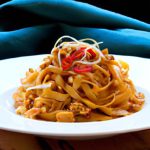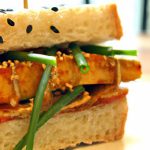


There’s something irresistibly satisfying about that first bite into a perfectly crispy delight-the satisfying crunch,the golden sheen,and the burst of flavor that follows. But achieving that flawless crispiness is an art as much as it is indeed a science. From the choice of ingredients and cooking techniques to temperature control and timing, every step plays a crucial role in unlocking the secrets behind those delectably crunchy textures we all crave. In this article, we’ll peel back the layers of culinary wisdom to reveal how you can master the craft of creating irresistibly crispy treats, transforming everyday dishes into remarkable experiences. Whether it’s fried favorites, baked snacks, or roasted veggies, get ready to crunch your way to perfection.
Unlocking the secrets behind perfectly crispy delights begins with understanding how texture and moisture play a pivotal role in achieving that irresistible crunch we all crave. Crispness is the harmonious marriage of dry, flaky surfaces and just the right amount of internal moisture-too much moisture yields soggy results, too little leaves things dry or tough. Whether you’re creating golden potato fries, feather-light tempura, or the crispiest vegetable chips, mastering these factors will elevate your kitchen skills and delight every palate.
Prep and Cook Time
- Readiness: 20 minutes
- Cook time: 15-25 minutes (depending on your chosen ingredient)
- Total Time: 40-45 minutes
Yield
Serves 4-6, depending on appetite and dish variation.
Difficulty Level
Medium - Requires attention to detail but is accessible to any confident home cook.
Ingredients
- 2 large Russet potatoes, peeled and cut into 1/2-inch thick fries
- 1 cup cornstarch, for dusting
- 2 cups vegetable oil, for frying (can substitute with canola oil)
- 1 teaspoon baking powder, to enhance crispness
- Salt, to taste
- 1 teaspoon smoked paprika (optional, for seasoning)
- Fresh rosemary sprigs (optional, for infusion)
Choosing the Right Ingredients for Ultimate Crunch
Start with high-starch potatoes like Russet or Yukon Gold, which have lower moisture and create that ideal crispy-and-fluffy combo. Dusting with cornstarch before cooking creates a fine coating that crisps up beautifully without masking natural flavors. The baking powder helps to create tiny bubbles that crisp the surface further, a little-known trick among professional chefs.
Mastering Cooking Techniques for Flawless Crisp Results
- Dry and rinse your potato cuts thoroughly. Rinsing removes excess surface starch that causes sogginess, while drying is crucial as moisture steals crispness.
- Dust each fry lightly with cornstarch. Shake off excess to avoid gummy coating.
- Heat oil to 325°F (160°C). This initial lower-temperature fry cooks potatoes through without browning.
- Fry potatoes in batches for 3-4 minutes. Remove and drain on wire racks or absorbent paper.
- Increase oil temperature to 375°F (190°C). Now, fry again until golden brown and crispy, about 2-3 minutes. This double-frying technique guarantees peak crunch.
- Drain well and season immediately. Salt and smoked paprika cling best on hot potatoes, sealing in flavor.
Essential Tips and Tools to Elevate Your crispy Creations
- Use a thermometer: Maintain precise oil temperature for optimal crispness and avoid greasy food.
- Work in small batches: Overcrowding lowers oil temp and creates soggy fries.
- Wire racks are your friend: Air circulation prevents steam buildup and keeps fries crunchy.
- Choose the right oil: high smoke point oils like vegetable or canola ensure clean, safe frying without imparting off-flavors.
- Season while hot: For the best flavor absorption and texture.
Instructions
- Prepare the potatoes: Peel and cut into 1/2-inch sticks. Place in cold water and soak for at least 30 minutes to draw out excess starch.
- Drain and dry: Thoroughly pat dry the potato sticks using a clean kitchen towel.
- Dust with cornstarch and baking powder: Combine the cornstarch and baking powder. Toss potatoes gently in this mix until evenly coated. Shake off excess.
- Heat the oil: Pour vegetable oil into a heavy-bottomed pot or deep fryer.Attach a candy or deep-fry thermometer and heat oil to 325°F (160°C).
- First fry: Fry potatoes in small batches for 3-4 minutes until softened but not browned. Use a slotted spoon to transfer fries to a wire rack. Let rest for 10 minutes.
- Raise oil temperature: Increase heat to 375°F (190°C).
- Second fry: Return fries to hot oil and cook until golden brown and crispy, about 2-3 minutes.
- Drain and season: Use a slotted spoon to remove fries, place on wire rack, immediately sprinkle with salt, smoked paprika, and optional rosemary crumbs.
Chef’s Notes
- Make-ahead tip: Par-fry potatoes and freeze them on a baking sheet before the second fry. When ready to serve, fry directly from frozen for perfect crispness.
- Ingredient swap: Sweet potatoes require a slightly lower frying temp and less cook time to avoid burning due to their sugar content.
- Troubleshooting: If fries turn out greasy, the oil was too cool. Use a thermometer and avoid crowding to maintain consistent temperature.
serving Suggestions
Serve your golden, crisp fries hot, paired with a garlic aioli or a vibrant chimichurri sauce for contrast. Garnish with freshly chopped parsley or rosemary for an aromatic finish. For a show-stopping plate, pair alongside seared white fish or a colorful roasted vegetable medley. A squeeze of fresh lemon brightens the experience, elevating humble fries to an unforgettable crunchy delight.

| Nutrient | Amount per Serving |
|---|---|
| Calories | 220 kcal |
| Protein | 3 g |
| Carbohydrates | 35 g |
| Fat | 8 g |
For more inspiration on creating delightful textures in your dishes, explore our crispy vegetable snacks recipe. To deepen your understanding of the chemistry behind frying, check out the thorough guide from serious Eats.
Q&A
Q&A: unlocking the secrets Behind Perfectly Crispy Delights
Q1: What is the fundamental science behind achieving that perfect crispy texture?
A1: At its core, crispiness is all about removing moisture while creating a golden, crunchy outer layer.When heat hits the surface of food, the water inside begins to evaporate, and the maillard reaction kicks in-this chemical dance between amino acids and sugars forms those irresistible browned, flavorful crusts we love. Controlling temperature and moisture levels is key to mastering this texture.Q2: How does the choice of cooking oil affect crispiness?
A2: Different oils have various smoke points and fat compositions, which influence how well they can crisp foods. Oils with higher smoke points-like sunflower, canola, or avocado oil-allow you to fry at higher temperatures without burning, promoting a crunchy crust. Moreover, the oil’s fat profile can impact flavor and texture, so selecting the right oil can enhance your crispy creation.
Q3: Is the temperature at which you cook critical for crispiness?
A3: Absolutely! Maintaining a consistent high temperature, typically between 350°F and 375°F (175°C to 190°C), ensures rapid sealing of the food’s surface, locking out excess oil and moisture. If the oil is too cool, food becomes greasy and soggy; too hot, and it burns before cooking through. Using a thermometer helps achieve this crispy sweet spot.
Q4: Can coatings improve the crunch factor?
A4: they sure can. Coatings like light batters, seasoned flour, or breadcrumbs provide an extra barrier that crisps up beautifully when fried or baked. Panko breadcrumbs, such as, offer an airy, flaky texture that enhances crunch without weighing down your dish. Additionally, soaking ingredients in buttermilk or egg before coating can improve adhesion and texture.
Q5: Why does resting fried foods on a wire rack rather than paper towels help crispiness?
A5: Paper towels tend to trap steam beneath your fried goodies, which can soften that precious crust. placing fried foods on a wire rack allows air circulation all around, preventing steam buildup and keeping the exterior crisp.it’s a simple trick that makes a big difference in maintaining texture.
Q6: How can oven-baking help achieve crispness without deep-frying?
A6: Baking at high heat with convection settings promotes even browning and crunchy edges by circulating hot air around the food. Lightly coating items with oil or using textured coatings like panko can mimic the crisp effect of frying. Plus, flipping halfway through ensures all sides get that golden crunch, making oven-baking a tasty, less oily choice.Q7: Are there any special techniques that professional chefs use to get extra crispy results?
A7: Indeed! Many chefs double-fry or double-bake their dishes, allowing the first cook to expel moisture and the second to crisp the surface perfectly. Another clever method is seasoning with salt right after cooking, drawing out residual moisture and enhancing both texture and flavor. Proper resting time also ensures heat dissipates evenly, preventing sogginess.
Q8: How significant is the moisture content of ingredients when aiming for crispiness?
A8: It’s paramount. High moisture levels inside the ingredient can steam it from the inside,softening the crust. Patting items dry before cooking or marinating can reduce moisture, lending to a crunchier bite. Even small steps like draining sliced vegetables or thawing frozen items thoroughly play a huge role.
Q9: Are there ways to achieve crispiness in naturally moist or delicate foods?
A9: Yes! For delicate items, techniques like dusting with starches (cornstarch or arrowroot) before cooking help absorb surface moisture and encourage browning. Using sous vide to cook foods gently before a final crisping step also preserves internal juiciness while delivering that sought-after crunch outside.
Q10: What role does seasoning play in crispy delights?
A10: Seasoning enhances not just flavor but can impact texture feel. Salt, when applied at the right moment, can draw out moisture and intensify crispness. Spices mixed into coatings can add both taste and texture variety, making each bite fascinating and crunchy. Season thoughtfully for a symphony of crisp, flavor, and aroma!
Wrapping Up
As we peel back the layers behind the art of achieving that perfect, irresistible crisp, it’s clear that mastery lies in understanding the delicate dance between temperature, technique, and timing. Whether you’re frying, baking, or air-frying, these secrets transform everyday ingredients into golden, crunchy delights that satisfy both the palate and the soul. So next time you crave that flawless crunch, remember: with a little knowledge and a touch of patience, perfect crispiness is always within reach. Happy cooking, and may your creations forever crackle with delight!