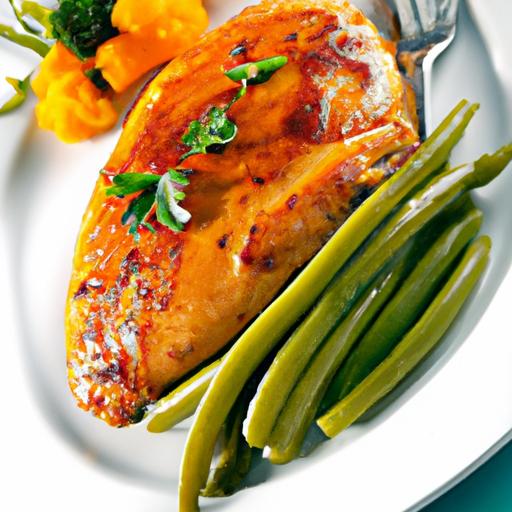

Imagine sinking yoru fork into a piece of chicken so tender, so succulent, it practically melts on your tongue-transforming an everyday dinner into a culinary festivity. Welcome to “Unlock Tender Delight: The Ultimate Melt-In-your-Mouth Chicken Breast Recipe,” where we unravel the secrets behind achieving chicken breasts that are not just cooked but lovingly perfected. Whether you’ve battled dry, flavorless poultry before or are simply seeking to elevate your home-cooked meals, this article will guide you through foolproof techniques and insider tips to unlock unparalleled juiciness and tenderness with every bite. Prepare to revolutionize the humble chicken breast and delight your taste buds like never before.
Choosing the Perfect Cut for Maximum Juiciness
Unlock Tender Delight starts with selecting the right chicken breast that promises succulent juiciness and flawless flavor absorption. When shopping, look for boneless, skinless chicken breasts that are even in thickness and size. Uniformity ensures even cooking, preventing those dreaded dry edges. For extra moisture retention, opt for breasts that have a slight pinkish hue and a smooth, glossy surface-these are often fresher and less handled.
Another pro tip: if you can find organic or free-range options, the natural diet and activity of these chickens often enhance texture and flavor. Remember, the quality of your cut lays a foundation for the entire recipe’s success!
Mastering the Marinade for Flavorful Depth
Marination is where the magic truly begins. To achieve that melt-in-your-mouth quality, your marinade must carefully balance acidity, fat, and seasonings. Using plain Greek yogurt or buttermilk forms a tenderizing base with lactic acids that gently breakdown proteins without overcooking the flesh.
Combine this with fresh garlic, zesty lemon juice, aromatic herbs like thyme or rosemary, and a touch of olive oil. These ingredients not only impart vibrant layers of flavor but help seal in moisture during cooking. Allow the chicken breasts to bathe in this mixture for at least 1 hour, or better, overnight in the refrigerator to maximize absorption.
The Science Behind Achieving Tender Texture
The secret to unlocking tender delight lies in respecting the muscle fibers within the chicken breast. Muscles contract and toughen when exposed to harsh heat or inadequate planning. Marinating with acids and enzymes ‘pre-digests’ these fibers, making the meat soft yet structurally sound.
Moreover, brining-soaking chicken in a saltwater solution-adds moisture by allowing cells to hold more water molecules during cooking. Coupled with gentle cooking methods, this ensures every bite bursts with juice. Avoid overheating by using medium heat and checking internal temperature carefully; aim for an internal temp of 160°F (71°C) and let residual heat finish the process.
Step by Step Guide to Perfectly Cooked Chicken Breast
The confidence to produce tender, juicy chicken breasts comes from following precise, approachable steps that guide you through preparation, cooking, and resting.
Prep and Cook Time
- Preparation: 15 minutes (plus 1 hour marinating)
- Cook Time: 12-15 minutes
- Total Time: Approximately 1 hour 30 minutes
Yield
Serves 4 people – generous portions perfect for weeknight dinners or casual entertaining.
Difficulty Level
Easy to Medium - perfect for home cooks seeking reliable, notable results.
Ingredients
- 4 boneless, skinless chicken breasts (about 6 oz each), trimmed
- 1 cup plain Greek yogurt
- 2 tablespoons fresh lemon juice
- 3 cloves garlic, minced
- 2 tablespoons extra virgin olive oil
- 1 teaspoon kosher salt
- ½ teaspoon freshly ground black pepper
- 1 teaspoon fresh thyme leaves or ½ teaspoon dried thyme
- Optional: pinch of smoked paprika for depth
- Fresh parsley, chopped (for garnish)
Instructions
- Prepare the marinade: In a medium bowl, whisk together Greek yogurt, lemon juice, garlic, olive oil, salt, pepper, thyme, and smoked paprika (if using).
- Marinate the chicken: Place chicken breasts into a large resealable bag or shallow dish. Pour marinade over and coat thoroughly. Seal and refrigerate for 1 to 8 hours, allowing flavors and tenderizing agents to work.
- Remove chicken from marinade: Take breasts out and gently shake off excess marinade (don’t rinse).Let them come to room temperature for 10 minutes before cooking.
- Preheat a large skillet: Use medium heat and add a tablespoon of olive oil. The surface should be hot enough to sizzle but not smoke.
- Sear the chicken: Place breasts gently in the skillet. Cook without moving for about 5-6 minutes until the underside is golden brown. Flip and sear the other side for another 5-6 minutes.
- Check internal temperature: Use a meat thermometer inserted into the thickest part; aim for 160°F (71°C). Remove from heat before overcooking.
- Rest the meat: Transfer chicken to a plate, loosely cover with foil, and let rest for 5-7 minutes. this helps redistribute juices evenly.
- Serve: Slice against the grain and garnish with chopped fresh parsley. Enjoy your juicy, tender chicken breast!
Tips for Success
- Even thickness: Pound thicker breasts to an even thickness to ensure uniform cooking.
- Marinate time: Longer marination (up to 8 hours) leads to richer flavor and more tenderness, but avoid exceeding 12 hours to prevent mushiness.
- Don’t skip resting: Resting is key to keeping juices locked inside after cooking.
- Substitutions: If Greek yogurt is unavailable, use lactose-free yogurt or a light coconut yogurt as an option for tenderizing.
- Make-ahead: Marinated chicken breasts can be stored in the fridge for up to 24 hours before cooking.
Serving Suggestions
Pair your chicken with vibrant, fresh sides like a crisp arugula salad tossed in lemon vinaigrette, or roasted seasonal vegetables to balance richness. For a comforting twist, creamy mashed cauliflower or garlic-herb quinoa complement the texture and flavor beautifully.
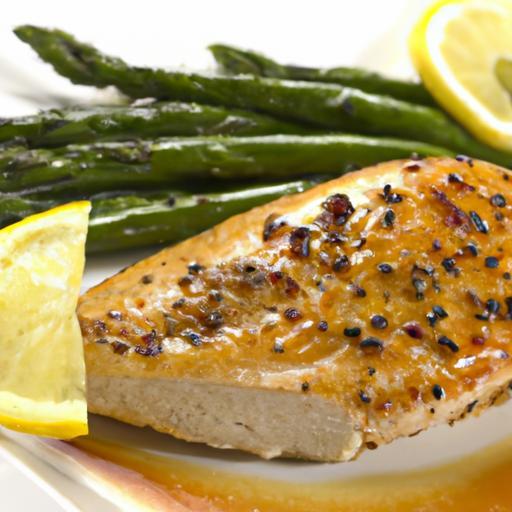
Garnish with thin lemon zest strips, a sprinkle of fresh herbs, or a drizzle of high-quality olive oil to elevate presentation.This dish is as visually delightful as it is flavorful,perfect for sharing with friends and family or impressing guests with minimal effort.

| Nutrient | Per Serving |
|---|---|
| Calories | 265 kcal |
| Protein | 38 g |
| carbohydrates | 4 g |
| Fat | 9 g |
For an expert’s guide to complementary side dishes, check out our Ultimate Light Summer Salads. Also, for a deeper dive into the science of food proteins, consider visiting the Institute of Food Technologists’ official page.
Q&A
Unlock Tender Delight: The Ultimate Melt-In-Your-Mouth Chicken Breast Recipe – Q&A
Q1: what makes chicken breast so challenging to cook perfectly tender?
Chicken breast is a lean cut with low fat content, which tends to dry out easily when overcooked. The key challenge is balancing heat and time to achieve a juicy, tender texture without drying it out or ending up with a sinewy bite.
Q2: How can I ensure my chicken breast stays juicy and tender every time?
The secret lies in gentle cooking methods combined with smart prep. Brining the chicken breast briefly can enhance moisture retention, while cooking at a moderate temperature-either by pan-searing then finishing in the oven or slow poaching-locks in juices. Resting the chicken after cooking allows the juices to redistribute, ensuring every bite melts in your mouth.
Q3: Is marinating necessary, or is brining better for tenderness?
Marinating adds flavor, but for ultimate tenderness and juiciness, a simple brine (a saltwater soak) works wonders. The salt gently breaks down muscle fibers and increases moisture absorption, producing tender, succulent chicken. You can always marinate after brining for extra flavor layers!
Q4: Which cooking techniques are best suited for melt-in-your-mouth chicken breast?
Techniques like sous-vide,slow poaching,or searing followed by low-heat oven roasting are top contenders. These methods ensure the chicken cooks evenly without drying out-the gentle heat melts connective tissues without toughening the meat.
Q5: How do I avoid the dreaded chalky or rubbery texture?
Avoid cooking chicken breast on very high heat for too long, which tightens proteins excessively. Use a kitchen thermometer to pull the chicken at the perfect internal temperature-around 145-150°F (63-65°C)-and always rest it. Overcooking is the main culprit behind rubbery chicken.Q6: What herbs and aromatics elevate the flavor while keeping it simple?
Classic companions like garlic, fresh thyme, rosemary, lemon zest, and black pepper complement the mild chicken breast superbly. Infusing these in your brine or marinade adds depth without overpowering the gentle flavor of the chicken.
Q7: Can I prepare the chicken breast in advance without sacrificing tenderness?
Absolutely! Cooking chicken breast sous-vide in advance and chilling it allows for quick reheating without drying out. Alternatively, fully cooking then gently reheating in a covered pan with a splash of broth preserves moisture and texture wonderfully.
Q8: What side dishes pair well with melt-in-your-mouth chicken breast?
Think light and fresh: vibrant salads, garlic-roasted vegetables, creamy mashed potatoes, or delicate pilafs. These accompaniments complement the chicken’s tenderness without weighing down the meal.
Q9: Are there any simple tips for beginners to master this recipe quickly?
Start with uniform chicken breasts of similar size for even cooking. Use a reliable meat thermometer-this is your best tool to nail juiciness and tenderness. Pat the chicken dry before seasoning to get a beautiful golden crust, and don’t skip resting!
Q10: Why call it “Unlock Tender Delight”?
As once you master the technique, chicken breast stops being just lean and bland-it transforms into a luscious, melt-in-your-mouth marvel that delights every bite. It’s about unlocking a new level of flavor and texture that makes weeknight dinners feel special.
This Q&A covers the essentials of creating the ultimate tender chicken breast, blending culinary science with approachable tips for home cooks aiming for that irresistible melt-in-your-mouth experience.
To Conclude
As you close the chapter on this culinary adventure, remember that mastering the art of tender, melt-in-your-mouth chicken breast is more than just following a recipe-it’s about understanding the magic behind each step, from seasoning to cooking technique. With this ultimate recipe in your kitchen arsenal, you’re not just serving a meal; you’re unlocking a world of flavor and texture that will elevate everyday dining into an experience worth savoring.So go ahead,embrace the joy of cooking,and let every bite of this tender delight remind you that the simplest ingredients,handled with care,can create the most unforgettable meals.