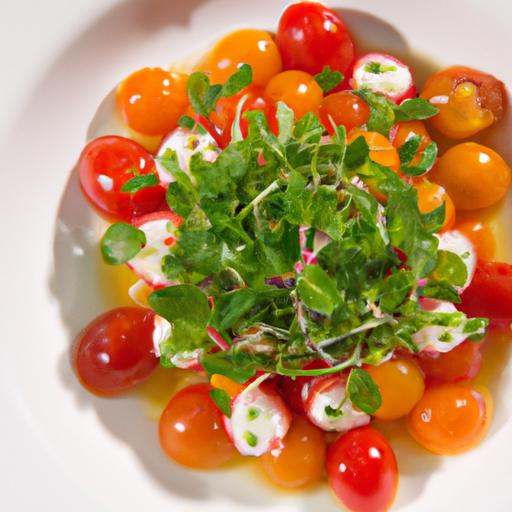


In teh vibrant tapestry of nature’s bounty, few gems shine as brilliantly-or tantalize the senses as profoundly-as the humble tomato. Often dismissed as just another fruit or vegetable on the kitchen counter, the tomato harbors stories as rich and complex as its lush, ruby-red flesh. From its ancient origins tucked away in south America to its starring role on tables worldwide, this unassuming jewel reveals a interesting saga of cultivation, science, and culture. Join us on a journey through time and taste, as we unravel the secrets behind the tomato’s enduring allure in “Tomato Tales: Unveiling the Secrets of Nature’s Jewel.”
Tomato Tales burst to life in this vibrant recipe celebrating the natural sweetness and versatility of fresh tomatoes. Inspired by sun-drenched Mediterranean gardens and childhood afternoons spent plucking warm, juicy tomatoes straight from the vine, this dish embodies the essence of summer’s botanical bounty. It captivates with its radiant colors and bold flavors, unlocking the hidden nutritional richness of each luscious bite-rich in antioxidants, vitamins, and natural umami that elevate every forkful.
Prep and Cook Time
Planning: 20 minutes
Cooking: 35 minutes
Total Time: 55 minutes
Yield
Serves 4 hearty portions
Difficulty Level
Medium – Perfect for those cozy with stovetop techniques and preserving flavors
Ingredients
- 6 large ripe tomatoes, preferably heirloom or vine-ripened
- 3 tbsp extra-virgin olive oil
- 1 medium yellow onion, finely diced
- 4 cloves garlic, minced
- 1 tsp sea salt
- 1 tsp freshly cracked black pepper
- 1 tbsp fresh basil, chopped
- 1 tbsp fresh oregano, chopped (or 1 tsp dried oregano)
- 1 tbsp tomato paste
- 1/2 tsp smoked paprika
- 1 tsp honey or pure maple syrup (balances acidity)
- 1/4 cup vegetable broth or water
- Optional: 1/4 tsp red chili flakes for a subtle heat
Instructions
- Prepare the tomatoes: Score a small “X” on the bottom of each tomato. Blanch in boiling water for 30 seconds, then plunge immediately into ice water. This makes peeling effortless-remove skins gently with your fingers.
- Chop the peeled tomatoes: Core and coarsely chop, setting aside their juices for later use to preserve flavor and nutrients.
- Heat olive oil: In a large skillet over medium heat, warm extra-virgin olive oil. Add diced onions and sauté until translucent and soft, approximately 7 minutes, stirring frequently.
- Add garlic: Stir in minced garlic and cook for another minute until fragrant but not browned, enhancing the aromatic base.
- Incorporate tomato paste and spices: Stir in the tomato paste, smoked paprika, sea salt, pepper, and optional chili flakes. Cook for 2 minutes to deepen the flavors.
- Add chopped tomatoes and broth: Combine tomatoes,juices,and vegetable broth. Stir gently, bringing mixture to a gentle simmer.
- Simmer uncovered: reduce heat to low and simmer for 25 minutes, stirring occasionally. The sauce should thicken and the flavors meld beautifully.
- Finish with fresh herbs and sweetener: Stir in honey, basil, and oregano. Adjust seasoning to taste.Remove from heat immediately to preserve herbaceous brightness.
- Serve or preserve: Use immediately over pasta,grilled vegetables,or as a base for your favorite dishes,or follow preservation tips below to enjoy later.
Tips for Success
- Tomatoes: Using ripe, fresh tomatoes is key to vibrant flavor.Heirlooms offer complex sweetness and color variations.
- Peeled or unpeeled: For a rustic texture, you may skip peeling, but skins can add slight bitterness.
- Balancing acidity: Adding a touch of honey softens sharper tomato notes without overpowering.
- Preservation: Cool sauce fully before storing in airtight containers. Freeze in portions or can using sterilized jars for long-term use.
- Customization: Swap basil with fresh parsley or thyme for different aromatic profiles.
- Serving flexibility: This sauce works wonderfully as a base for shakshuka, a pizza topping, or ladled generously over roasted eggplant.
Serving Suggestions
Dish this luscious tomato sauce over perfectly al dente linguine or spread atop crusty artisan bread brushed with garlic-infused olive oil. Garnish with fresh basil leaves and a sprinkle of freshly cracked black pepper for a visually stunning presentation.Pair with a side of grilled seasonal vegetables or a light mesclun salad for a full, balanced meal that bursts with color and freshness.
| Nutrient | Per Serving |
|---|---|
| Calories | 110 kcal |
| Protein | 2 g |
| Carbohydrates | 15 g |
| fat | 5 g |

For detailed insights on companion planting to boost your tomato garden, visit our Tomato Gardening Guide. For comprehensive botanical and nutritional info, explore this NHS guide on immune-boosting foods.
Q&A
Q&A: Tomato Tales – Unveiling the Secrets of Nature’s Jewel
Q1: Why is the tomato frequently enough called “nature’s jewel”?
A1: The tomato earns its title as “nature’s jewel” as of its vibrant,glossy skin,radiant hues ranging from ruby red to golden yellow,and its ability to brighten dishes with a burst of flavor. Beyond its stunning appearance, this fruit packs a nutritional punch, rich in antioxidants, vitamins, and natural sweetness that captivate both the eye and the palate.
Q2: How did the tomato journey from wild fruit to a kitchen staple?
A2: Originating in the wilds of South America, the tomato’s journey is a story of exploration and adaptation. Early civilizations domesticated it for its taste and versatility, while European explorers introduced it globally. Initially met with caution, it gradually gained favor as people discovered its culinary magic and health benefits-transforming it into an indispensable ingredient worldwide.
Q3: What are some lesser-known varieties of tomatoes and their unique qualities?
A3: Beyond the common red globe, tomatoes come in dazzling varieties like the tiny, sweet cherry tomatoes, sun-kissed golden pears, and smoky purple beauties. Each variety offers a unique flavor profile-some fruity and tangy, others rich and earthier-providing gardeners and chefs an endless palette to experiment with in sauces, salads, and beyond.
Q4: How dose the tomato contribute to our health?
A4: Tomatoes are loaded with lycopene, a powerful antioxidant that supports heart health and may reduce the risk of certain chronic diseases. They also provide essential vitamins C and K, potassium, and folate. Eating tomatoes regularly promotes skin vitality, supports the immune system, and aids in maintaining overall wellness.
Q5: What role do tomatoes play in global culinary traditions?
A5: Tomatoes have weaved themselves into diverse culinary tapestries-from the spicy salsas of Latin America to the fragrant curries of South Asia and the comforting stews of the Mediterranean.Their adaptability allows them to absorb and enhance regional flavors, making them a beloved global ingredient that bridges cultures with every bite.
Q6: Can growing your own tomatoes reveal hidden wonders about this fruit?
A6: Absolutely! Cultivating tomatoes at home opens a window into nature’s artistry-witnessing the delicate blossoms transform into plump, sun-ripened jewels awakens an appreciation for patience and the surroundings. Homegrown tomatoes often have richer flavors and a deeper connection to the earth’s rhythms, turning gardening into both a mindful practice and a rewarding harvest.
Q7: What are some creative ways to enjoy fresh tomatoes beyond salads?
A7: Fresh tomatoes shine in countless creations: roasted to deepen their sweetness, blended into refreshing gazpachos, layered in vibrant sandwiches or bruschettas, or slow-cooked into hearty sauces bursting with complexity.Their versatility invites culinary creativity, encouraging everyone to celebrate tomatoes beyond the ordinary.
Q8: How do environmental factors influence the taste of a tomato?
A8: the tomato’s flavor is a symphony shaped by sunlight, soil quality, water availability, and temperature. Sunny, warm days enhance sugar growth, while cool nights preserve acidity-together creating a balanced, vivid taste. Terroir, or the environmental conditions unique to a place, plays a subtle yet powerful role in producing the perfect tomato.
Q9: What myths or surprises surround the tomato’s identity?
A9: A common myth is that the tomato is solely a vegetable, but botanically, it’s a fruit-specifically a berry.This botanical truth surprises many, given its savory culinary uses.Moreover, early European suspicion branded it as poisonous due to its relation to nightshade plants, a misconception that modern science has thoroughly debunked.
Q10: In what ways can appreciating tomatoes deepen our connection to nature?
A10: Embracing tomatoes-from seed to table-invites us to witness cycles of growth, patience, and renewal. It teaches how nurture transforms tiny seeds into nourishing treasures, reminding us of nature’s generosity and interconnectedness. Through tomatoes, we learn to savor not just flavors but the stories and ecosystems that bring them to life.
Wrapping Up
As the curtain falls on our journey through the vibrant world of tomatoes, we are reminded that this unassuming fruit holds stories as rich and varied as its hues. From ancient cultivation to modern culinary artistry, the tomato truly is nature’s jewel-a testament to the interplay of science, culture, and the earth’s bounty.Whether sliced in a salad, simmered in a sauce, or enjoyed fresh off the vine, each tomato carries with it a legacy worth savoring.So next time you bite into this crimson treasure, remember the tales it tells-rooted in history, nurtured by nature, and celebrated on tables worldwide.