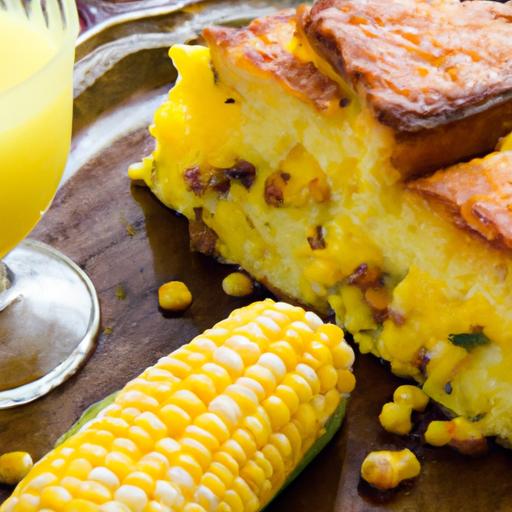


Golden, crumbly, and undeniably comforting, cornbread carries with it a story as rich and varied as its flavor. More than just a humble side dish, this warm, golden delight has woven itself into the culinary and cultural fabric of countless communities over centuries. From the indigenous peoples who first ground cornmeal to the heartlands of the American South where it became a staple of tradition and togetherness, cornbread’s journey is one of resilience, innovation, and shared heritage. In this exploration, we’ll uncover the origins, evolution, and enduring legacy of cornbread-revealing how this simple yet soulful bread has nourished bodies and stories alike across generations.
The Golden Delight: Cornbread has long been a cherished staple in American cuisine,weaving together history,culture,and flavor in every crumb. Originating with native American maize cultivation, this humble bread evolved through the centuries, reflecting regional tastes and ingredients-from the sweet, cakey loaves of the South to the hearty, crumbly versions favored in Texas and beyond. Its rich legacy is not only a testament to culinary adaptability but also a party of comfort food that warms the soul and table alike.
prep and Cook Time
- Preparation: 10 minutes
- Cooking: 25 minutes
- Total Time: 35 minutes
yield
- 8 generous servings
Difficulty Level
- Easy – perfect for cooks of all levels
Ingredients
- 1 cup yellow cornmeal, finely ground
- 1 cup all-purpose flour, sifted
- 1/4 cup granulated sugar (adjust to taste)
- 1 tablespoon baking powder
- 1/2 teaspoon fine sea salt
- 1 cup buttermilk, room temperature
- 2 large eggs, beaten
- 1/4 cup unsalted butter, melted, plus extra for greasing
- Optional: 1/2 cup creamed corn for added moisture and sweetness
Instructions
- Preheat your oven to 400°F (200°C). Generously butter a 9-inch cast-iron skillet or an 8×8-inch square baking dish for that irresistible golden crust.
- Combine dry ingredients: In a large bowl, whisk together the cornmeal, all-purpose flour, sugar, baking powder, and salt to create a light, airy base.
- Mix wet ingredients: in a separate bowl, stir the buttermilk and eggs until smooth. Slowly pour in the melted butter while stirring gently to maintain a silky batter.
- Incorporate wet and dry: Pour the wet mixture into the dry ingredients, folding carefully to avoid overmixing. If using, gently fold in creamed corn for an irresistible moist texture.
- Transfer to skillet: Pour the batter into the prepared pan, smoothing the top with a spatula for even baking.
- Bake until golden: Place in the oven for 20-25 minutes, or until the top turns a deep golden brown and a toothpick inserted in the center comes out clean.
- Cool slightly: Let the cornbread rest for 5-10 minutes before slicing, allowing flavors to settle and the texture to firm up.
Tips for Success
- Balance sweetness: Adjust sugar depending on whether you want a savory or more dessert-style cornbread; Southern-style typically leans sweeter.
- Buttermilk substitute: If unavailable, mix 1 cup milk with 1 tablespoon lemon juice or white vinegar, let it sit 5 minutes before use.
- Texture tweak: For a cakier crumb, replace 1/4 cup cornmeal with extra flour. For crumbly and rustic, stick to the original ratio.
- Make-ahead magic: Cornbread keeps well for up to 3 days at room temperature, or freeze slices wrapped in foil for up to 1 month.
- Skillet advantage: Baking in a cast-iron skillet ensures even heat and a crisp, buttery crust that’s signature to Southern cornbread.
Serving Suggestions
Serve slices warm with a pat of softened butter melting luxuriously on top. Garnish with fresh chopped herbs like chives or parsley for a pop of color and fresh aroma. This Golden Delight pairs wonderfully with classic dishes like Southern-style chicken and dumplings or a vibrant bowl of chili.
For a contemporary twist, elevate your plate with a drizzle of honey-infused hot sauce or alongside a zesty avocado salsa to balance the sweetness with bright acidity. Cornbread also complements creamy collard greens, smoky black beans, or a cool cucumber salad for a truly memorable meal.

| Nutrient | Per Serving |
|---|---|
| Calories | 180 |
| Protein | 4g |
| Carbohydrates | 26g |
| Fat | 7g |
Learn more about the history and variations of traditional breads in American kitchens with our in-depth exploration of Southern Living’s cornbread heritage guide.
Q&A
Q&A: The Golden Delight – Exploring Cornbread’s Rich Legacy
Q1: What makes cornbread such a beloved staple in culinary traditions?
A1: Cornbread holds a special place in many kitchens because of its simple, hearty ingredients and its ability to complement a wide range of dishes. Its golden crust and tender crumb offer both comfort and versatility, making it a symbol of nourishment and home-cooked warmth across generations.
Q2: Where did cornbread originate, and how has it evolved over time?
A2: Cornbread traces its roots back to Native American communities, who first cultivated corn and ground it into meal. Early settlers embraced this staple grain, adapting it into speedy breads that could be baked, fried, or steamed. Over centuries,regional variations sprang up-each reflecting local tastes,available ingredients,and cultural influences.
Q3: What are some traditional ingredients in classic cornbread recipes?
A3: Cornerstone ingredients include cornmeal, flour, eggs, a liquid (such as milk or buttermilk), and a leavening agent like baking powder.Sweetness varies from recipe to recipe, sometimes enhanced with a touch of honey or sugar to balance cornbread’s naturally earthy flavor.
Q4: How does the texture of cornbread change based on preparation methods?
A4: The method of cooking is instrumental in shaping cornbread’s texture. Baking yields a firm but tender loaf with a golden crust, while frying in a cast-iron skillet produces crispy edges and a moist interior. Steaming cornbread creates a softer, almost cake-like version, showcasing cornmeal’s versatility.
Q5: Why is cornbread often associated with Southern cuisine, and how is it celebrated there?
A5: In the American South, cornbread is woven into the fabric of daily meals and celebratory feasts alike. It pairs beautifully with vegetable stews, beans, and savory greens, standing as a humble yet essential complement. Southern cooks have elevated it into an art form with recipes that honor tradition while inviting creativity.
Q6: Can cornbread be adapted to suit dietary preferences or restrictions?
A6: Absolutely! Cornbread adapts well to various dietary needs. For those avoiding gluten, cornmeal can often stand alone or be mixed with gluten-free flours.Plant-based milk substitutes and egg replacers can be used to craft vegan-friendly versions without sacrificing the cornbread’s signature texture and flavor.
Q7: What cultural meaning does cornbread hold beyond being just a food?
A7: Beyond nourishment, cornbread represents resilience, community, and heritage. It embodies the resourcefulness of people who transformed simple grains into sustenance. Sharing cornbread often symbolizes hospitality and connection, making it more than just a dish-it’s a heartfelt tradition passed down through time.
Q8: How can modern cooks experiment with cornbread while honoring its legacy?
A8: Contemporary kitchens can play with add-ins like fresh herbs, roasted vegetables, or even bursts of sweetness from dried fruits or pureed squash. The key is to respect the core of cornbread-the depth of corn flavor and satisfying texture-while allowing it to evolve through new inspirations and personal touches.
Q9: What makes the color and aroma of cornbread so captivating?
A9: The warm golden hue of cornbread comes from the natural richness of cornmeal, which browns beautifully when baked or fried. Its aroma is a cozy blend of toasted corn, buttery notes, and a hint of sweetness-a sensory invitation that instantly evokes comfort and home.
Q10: In what ways does cornbread continue to inspire cooks and food lovers today?
A10: Cornbread remains a canvas for creativity, a bridge between generations, and a reminder of culinary heritage. Its enduring popularity lies in its adaptability and timeless appeal-inviting everyone to partake in a shared story imbued with history, flavor, and heart.
Future Outlook
as we close the chapter on cornbread’s story, it becomes clear that this humble dish is much more than a simple side-it’s a golden thread woven through the fabric of history, culture, and community. From its ancient Indigenous roots to its soulful presence at family tables across the globe, cornbread carries with it the flavors of tradition and the warmth of shared moments. So next time you break off a crumb of that golden delight, remember you’re not just tasting cornmeal and butter-you’re savoring centuries of legacy baked into every bite.