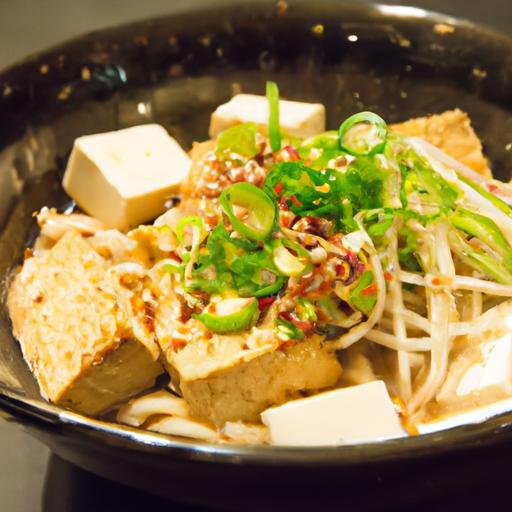

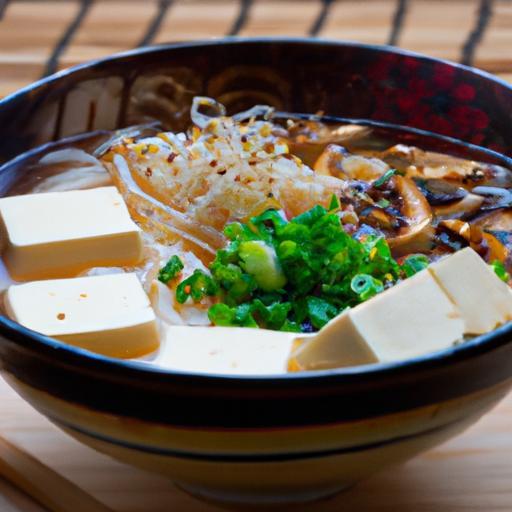
There’s a quiet revolution simmering in bowls across the globe, where humble tofu steps into the spotlight, transforming traditional ramen into a vibrant tapestry of flavors and textures. “The Art of Tofu Ramen: Flavorful Bowls for Every Palate” explores this appetizing fusion, celebrating how plant-based protein can elevate one of Japan’s most beloved comfort foods. Whether you’re a devoted vegan, a curious foodie, or simply seeking a fresh twist on a classic, tofu ramen invites you to savor rich broths, silky noodles, and that perfect balance of umami-all crafted with creativity and care.join us as we dive into the techniques,ingredients,and inspiration behind these nourishing bowls that promise depth without compromise.
The Art of tofu Ramen: Flavorful Bowls for Every Palate
The art of tofu ramen begins with embracing its rich umami broth-a soul-satisfying concoction that transforms humble tofu into a star ingredient. Drawing inspiration from traditional Japanese cuisine while adding a plant-based twist, this recipe honors the delicate balance of depth and subtlety, offering a bowl that warms both heart and palate. Having crafted countless iterations,I’ve discovered that mastering each element-from silky tofu texture to vibrant toppings-turns a simple ramen into an unforgettable experience.
Prep and Cook Time
- Prep Time: 20 minutes
- Cook Time: 40 minutes
- Total Time: 60 minutes
Yield
Serves 4 generous bowls
Difficulty Level
Medium – Perfect for adventurous cooks eager to refine their ramen skills
Ingredients
- Broth
- 8 cups vegetable broth, preferably homemade or low-sodium
- 4 dried shiitake mushrooms
- 2 sheets kombu (dried kelp), about 4×4 inches each
- 3 tbsp soy sauce or tamari (gluten-free option)
- 1 tbsp miso paste (white or mellow red)
- 2 cloves garlic, smashed
- 1-inch piece fresh ginger, sliced
- 1 tsp toasted sesame oil
- Tofu and Ramen Base
- 14 oz block silken tofu, chilled and drained
- 8 oz fresh or dried ramen noodles (egg-free if vegan)
- 2 green onions, finely sliced
- 1 tbsp neutral oil (grapeseed or canola)
- Toppings
- 1 cup baby spinach or wakame seaweed, blanched
- 1/2 cup shiitake mushrooms, thinly sliced and sautéed
- 1 boiled egg alternative: soft tofu slices or marinated tempeh strips
- 1 tbsp toasted sesame seeds
- Chili oil or shichimi togarashi, to taste
Instructions
- Prepare the Umami-Rich Broth: Place vegetable broth, shiitake mushrooms, and kombu in a large pot. Heat gently over medium-low and allow it to steep for 30 minutes without boiling-this extracts deep earthy notes. Remove kombu just before the broth begins to simmer.
- Infuse Aromatics: Add garlic, ginger, soy sauce, and miso paste to the broth, whisking to dissolve. Simmer gently for another 10 minutes to meld flavors, than strain out solids for a clear, smooth broth.
- Cook the Noodles: While the broth simmers, bring a separate pot of salted water to a boil. Cook ramen noodles according to package instructions until just tender but still springy (“al dente”). Drain and set aside, drizzling with a small amount of neutral oil to prevent sticking.
- Mastering Silken Tofu: Carefully slice chilled silken tofu into 4 equal blocks using a wet knife to prevent crumbling. Gently poach tofu cubes in the simmering broth for 2-3 minutes until warmed through. This step ensures the tofu retains its delicate creaminess without breaking apart.
- Sauté Toppings: Heat 1 tbsp oil in a skillet over medium heat. Add sliced shiitake mushrooms and sauté until golden, about 5 minutes, stirring occasionally to release their nutty aroma. Remove from heat and set aside.
- Assemble the Bowls: Divide cooked ramen noodles among 4 large bowls. Ladle hot broth over noodles,gently nestle tofu slices atop,and artistically arrange blanched spinach,sautéed mushrooms,and green onions around the tofu.
- Garnish and Customize: Sprinkle toasted sesame seeds and drizzle chili oil or sprinkle shichimi togarashi based on your preferred spice level. A delicate drizzle of sesame oil adds a final fragrant flourish.
- Serve Immediately: To enjoy the tofu ramen at its best, serve hot with complementary condiments such as pickled ginger or freshly grated ginger on the side.
Chef’s Tips for success
- Broth building: Using dried shiitake mushrooms and kombu amplifies umami without overpowering tofu’s subtlety. Proper steeping, rather than boiling, preserves delicate flavors.
- Tofu handling: always use silken tofu chilled and well-drained. For ease, slice with a plastic or wet serrated knife to avoid crumbling.
- Alternative protein: For a slightly firmer bite, try marinating thinly sliced tempeh in tamari and roasting until caramelized rather of egg.
- Spice customization: Adjust chili oil and aromatic layers like ginger and garlic according to your palate-adding lime zest or yuzu juice can introduce a bright contrast.
- Make-ahead suggestion: Broth can be prepared 2 days in advance and refrigerated, gently reheated before use.
Serving suggestions
Present your tofu ramen in deep bowls to showcase the visually stunning layering of silky tofu and vibrant greens. Garnish each bowl with fresh green onion curls for a pop of color and toasted sesame seeds for texture. Pair with a side of pickled daikon or crunchy kimchi for contrast. For an interactive meal, serve chili oil and shichimi togarashi on the side, inviting diners to customize their spice journey. Sipping the umami-rich broth between bites of tofu-laden noodles brings forth an immersive and comforting dining experience.

| Nutrient | Per Serving |
|---|---|
| Calories | 320 kcal |
| Protein | 18 g |
| Carbohydrates | 40 g |
| Fat | 8 g |
Delve deeper into vegetarian broth techniques by exploring our Ultimate Guide to Vegetarian Broths, and for scientific insights on umami flavor, visit the ScienceDaily Umami report.
Q&A
Q&A: The Art of Tofu Ramen – Flavorful Bowls for Every Palate
Q1: What makes tofu an ideal protein choice in ramen?
A1: Tofu’s versatility and ability to absorb flavors make it an remarkable protein for ramen. Its subtle taste allows it to soak up the rich broths and spices,while its varied textures-from silky soft to firm and crispy-add exciting contrasts to every slurp.
Q2: How can I create a flavorful broth without animal products?
A2: Building depth in a vegan or vegetarian broth starts with umami-rich ingredients like dried shiitake mushrooms, kombu (kelp), miso paste, and roasted vegetables such as garlic, onions, and carrots. Simmering these together extracts layers of savory goodness that mimic traditional ramen bases.
Q3: Are there specific tofu preparations that work best for ramen?
A3: Absolutely! Silken tofu works beautifully for creamy, gentle textures; it melts in your mouth and balances spicy broths. Firm or extra-firm tofu can be pressed, marinated, and pan-fried or baked to develop a crispy exterior, providing a satisfying bite and textural contrast within the bowl.
Q4: How can I customize tofu ramen to suit different taste preferences?
A4: The beauty of tofu ramen lies in its adaptability. for those who prefer mild flavors, lightly seasoned broths with soft tofu and fresh vegetables work wonderfully. If you crave bold and spicy, add chili oil, fresh ginger, garlic, and crispy fried tofu cubes. Play with toppings like green onions, bamboo shoots, nori, toasted sesame seeds, or even pickled veggies to add complexity.
Q5: What are some unique toppings that elevate tofu ramen dishes?
A5: Beyond classic scallions and nori,consider adding roasted corn,sautéed shiitake mushrooms,buttery bok choy,sweet roasted pumpkin,or crunchy tempura flakes. Toppings like toasted sesame seeds or a drizzle of garlic-infused oil add an indulgent finish to each bowl.
Q6: Can tofu ramen be a nutritious meal option?
A6: Definitely! When balanced with a variety of vegetables, whole-grain or suitably prepared noodles, and protein-packed tofu, ramen can be a nutrient-rich dish. Adding seaweed boosts iodine and minerals, while incorporating colorful veggies provides fiber, vitamins, and antioxidants that satisfy both taste buds and wellness goals.
Q7: How do I achieve the perfect noodle texture for tofu ramen?
A7: fresh ramen noodles are ideal for their springy texture, but dried or frozen noodles can work well too-just avoid overcooking. Cook noodles separately, rinse under cold water to stop cooking, then add to the brothy bowl right before serving to preserve their bite and prevent sogginess.
Q8: What are some creative ways to layer flavor when assembling tofu ramen?
A8: Start with a well-seasoned broth, add noodles, then gently place your tofu planning on top. Layer in veggies and toppings to create a balanced composition-think contrasting textures, colors, and tastes. Finish with a sprinkle of chopped herbs or a dash of citrus zest for brightness and aroma that awakens the senses.
Q9: How can I make tofu ramen accessible for beginners?
A9: Begin with simple broths like miso or soy-based stocks,paired with pan-fried tofu and basic toppings such as scallions and spinach. Using store-bought broth concentrates or miso paste can streamline the process. As confidence grows, experimenting with homemade broths and diverse toppings allows for more personalized, adventurous bowls.
Q10: What cultural inspirations influence tofu ramen recipes?
A10: While deeply rooted in Japanese culinary tradition,tofu ramen embraces a fusion spirit-drawing on wider East Asian influences like Korean kimchi add-ins,Chinese bok choy,and Southeast Asian herb garnishes such as cilantro or Thai basil. This cultural blending enriches the tofu ramen experience, making it a global celebration of flavor and creativity.
Concluding Remarks
As we’ve discovered,the art of tofu ramen is a vibrant tapestry woven from rich broths,tender noodles,and the versatile charm of tofu itself. Whether you crave a fiery miso twist, a delicate shoyu base, or a creamy, comforting broth, there’s a bowl waiting to satisfy every palate. Embracing tofu not only elevates the flavor profile but also opens the door to endless culinary creativity. So next time you seek a nourishing, flavorful adventure, remember: the perfect tofu ramen is more than a dish-it’s an experience crafted spoonful by spoonful. Dive in, savor boldly, and let your taste buds explore this humble yet extraordinary art form.