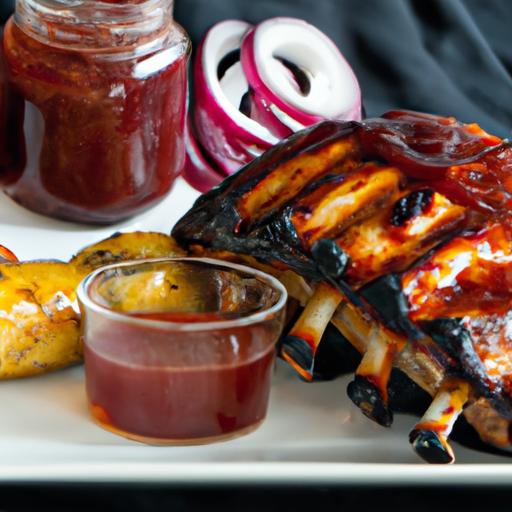

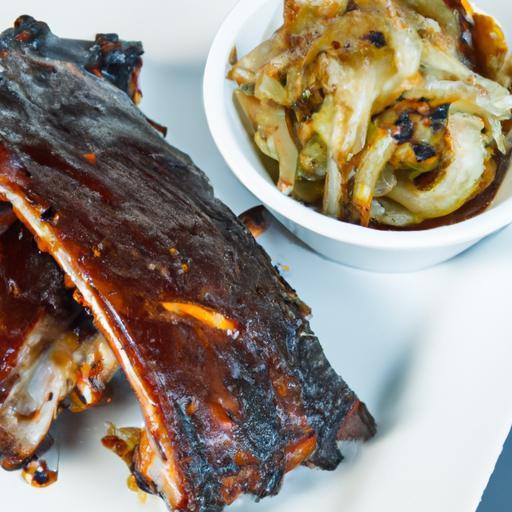
There’s something almost magical about BBQ ribs-the way tender meat clings to the bone, infused with layers of smoky aroma and a tantalizing glaze of sauce. But behind every plate of perfect ribs lies a blend of art and science, a mastery of flavor and technique that transforms simple pork into an unforgettable experience. In “The Art of BBQ Ribs: Mastering flavor and Smoke Rings,” we’ll journey through the smoky depths of barbecue craftsmanship,uncovering the secrets to achieving that coveted pink smoke ring,balancing spices,and coaxing out juicy,fall-off-the-bone texture. Whether you’re a backyard beginner or a pitmaster in the making, get ready to elevate your rib game and become an artist of smoke and fire.
Choosing the Perfect Cut and Preparation Techniques for Tender Ribs
Mastering flavor and smoke rings begins with selecting the right ribs to showcase the depth of barbecue craftsmanship. For those seeking melt-in-your-mouth tenderness without pork, beef ribs offer a robust, hearty canvas that absorbs smoke and seasoning beautifully. Opt for bone-in beef short ribs or beef back ribs, both known for their rich marbling and succulent texture when cooked low and slow.
Preparation is key: before seasoning, remove the silver skin membrane from the bone side of the ribs. This allows smoke and rubs to penetrate deeply, creating a tender bite and an appealing smoke ring. Lightly trimming excess fat ensures an even cook while preserving natural juiciness.
Unlocking the Secrets of Wood Smoke to Achieve Deep Flavor Profiles
Nothing defines the art of BBQ like the alluring aroma and taste of wood smoke. To intensify flavor without overpowering,select fruitwoods such as apple or cherry,which bring a mild sweetness and complexity perfect for beef ribs. For bolder undertones, hickory or oak provide that conventional smoky backbone.
Maintaining a steady low-temperature smoke between 225°F and 250°F ensures the ribs absorb deep smoky layers over time. Using a smoker box or pellet grill with controlled airflow helps maintain ideal combustion and unlocks that mesmerizing smoke ring-a hallmark of expert barbecue. Remember, patience in managing smoke intensity and smoke duration is essential for developing signature flavor profiles.
Crafting the Ideal Dry Rub and Marinades for Bold and balanced Taste
The perfect dry rub doesn’t just flavor ribs; it complements the smoke and enhances natural meat juices.Start with a balanced base of kosher salt and freshly ground black pepper, then add layers with paprika for warmth, smoked chili powder for depth, and a touch of brown sugar to caramelize into a tantalizing crust. Garlic and onion powders build savory notes, while dried herbs like thyme or oregano add subtle complexity.
If opting for a marinade, a simple mixture of apple cider vinegar, olive oil, and mustard with a splash of liquid smoke mimics the appetizing effects of slow smoking and tenderizes meat effectively. Marinate for at least 4 hours or overnight to maximize flavor infusion and tenderness, but never forget to pat ribs dry before applying rubs to ensure adhesion and optimal bark formation.
Mastering low and Slow Cooking Methods to Produce Vibrant Smoke Rings
Achieving a vibrant smoke ring and irresistibly tender texture demands patience and precision. Maintain a steady heat source at 225°F to 250°F and cook the ribs for 4 to 6 hours, depending on thickness. Use indirect heat placement, relying on wood smoke rather than flames to gently infuse flavor.
Throughout the cook,spritz ribs every 45 minutes with a blend of apple cider vinegar and water to keep the meat moist and enhance smoke ring development. Wrapping ribs in butcher paper or foil halfway through cooking accelerates tenderness while preserving bark and smoke saturation.
Test doneness by gently probing the meat near the bone-it should yield with slight resistance but not crumble. Onc ready, rest ribs for 15 minutes to let juices redistribute, locking in succulence with every bite and showcasing that brilliant, coveted smoke ring beneath the caramelized crust.
prep and Cook Time
- Preparation: 30 minutes
- Marinating: 4-12 hours (optional)
- Cooking: 4-6 hours
- Resting: 15 minutes
Yield
Serves 4-6 hungry BBQ enthusiasts
Difficulty Level
Medium – requires time management and temperature control
Ingredients
- 3-4 lbs beef short ribs, membrane removed and trimmed
- 2 tbsp kosher salt
- 1 tbsp freshly ground black pepper
- 2 tbsp smoked paprika
- 1 tbsp brown sugar, packed
- 1 tsp garlic powder
- 1 tsp onion powder
- 1 tsp smoked chili powder
- 1 tsp dried thyme (optional)
- spritz mixture: 1 cup apple cider vinegar + 1 cup water
- Olive oil, for light coating
- Wood chips: apple, cherry, or hickory (as preferred)
Instructions
- prepare the ribs: Remove the silverskin membrane from the bone side of the ribs by sliding a butter knife underneath and pulling it off. Trim excess fat carefully. Lightly coat ribs with olive oil to help the rub adhere.
- Make the dry rub: In a bowl, combine kosher salt, black pepper, smoked paprika, brown sugar, garlic powder, onion powder, smoked chili powder, and thyme. Mix well to blend.
- Apply the rub: Generously and evenly coat both sides of the ribs with the dry rub. For bold flavor, wrap in plastic and refrigerate for 4-12 hours to marinate. Before smoking, bring ribs to room temperature for 30 minutes.
- Preheat the smoker: Set your smoker or grill for indirect heat at 225°F-250°F. Add soaked wood chips of choice to the coals or smoker box to generate smoke.
- Start smoking: Place ribs bone side down on the grill grate,away from direct heat. Maintain temperature and smoke, closing the lid as much as possible.
- Spritz periodically: Every 45 minutes, open the smoker briefly and spritz ribs with the apple cider vinegar and water mixture to keep the meat moist and encourage smoke ring formation.
- Wrap for tenderness (optional): After 3 hours, tightly wrap ribs in butcher paper or foil and return to the smoker to continue cooking for 1.5-2 hours.
- Check for doneness: Test ribs by gently probing the meat near the bone; it should feel tender but hold shape. Internal temperature around 195°F-203°F signals readiness.
- Rest and serve: Remove ribs from the smoker and let rest uncovered for 15 minutes before slicing between the bones. Resting allows juices to redistribute for succulent bites.
Tips for Success
- Removing the membrane is critical to avoid toughness and improve smoke penetration.
- Consistency in smoke and heat is key; consider using a digital thermometer probe for accuracy.
- If you don’t have a smoker,a charcoal grill set up for indirect heat with a foil pan filled with soaked wood chips works well.
- For a tangy twist, add mustard to the ribs before applying the dry rub-it acts as a flavorful binder and tenderizing agent.
- Prepare the rub mix in bulk and store in an airtight container for up to 3 months to speed up future cooks.
Serving Suggestions
Present these smoky ribs on a rustic wooden board, garnished with freshly chopped parsley or cilantro to brighten the palate. Serve alongside classic BBQ sides such as grilled corn on the cob, creamy coleslaw, or smoky baked beans to complete a feast.A drizzle of homemade vinegar-based BBQ sauce or a touch of spicy mustard sauce enhances but never overwhelms the bold, smoky flavors.

| Nutrient | Per serving (4 oz cooked) |
|---|---|
| calories | 320 |
| Protein | 28g |
| Carbohydrates | 4g |
| Fat | 20g |
For more on wood smoking techniques and choosing your grill setup, visit Food Network’s guide to smoking meat. To explore diverse BBQ cuts and recipes, check our related article Guide to Best beef Cuts for BBQ.
Q&A
Q&A: The Art of BBQ ribs: Mastering Flavor and Smoke Rings
Q1: What exactly is a smoke ring, and why is it prized in BBQ ribs?
A smoke ring is a pinkish layer just beneath the surface of smoked ribs, created when nitrogen dioxide from wood smoke reacts with the myoglobin in the meat. Beyond its striking visual appeal, the smoke ring signals slow, low-temperature cooking and deep smoke penetration-a hallmark of expert BBQ. It’s a badge of honor that shows you’ve mastered both time and technique.
Q2: How do you choose the best cut of ribs for BBQ when avoiding pork?
When steering clear of pork, beef ribs shine as a fantastic canvas for BBQ artistry. Look for well-marbled beef back ribs or short ribs-rich in connective tissue that breaks down beautifully during low and slow cooking. Their robust meatiness pairs perfectly with bold seasoning and smoke flavors, making them worthy contenders on any grill.
Q3: What role does the rub play in building flavor on BBQ ribs?
A rub is essentially your flavor architect. It forms a savory crust, locking in moisture while adding layers of complexity. Think beyond salt and pepper-incorporate smoky paprika, garlic powder, brown sugar (for a hint of caramelized sweetness), and chili powder to create a balanced profile. The rub doesn’t just season-it creates the first tactile and aromatic impression that makes biting into ribs pure bliss.
Q4: How vital is maintaining temperature and smoke consistency in smoking ribs?
Temperature and smoke consistency are the heartbeat of great BBQ. Low and slow-usually between 225°F and 250°F-is essential to tenderize tough fibers and render connective tissue.Steady, clean smoke ensures that the ribs absorb just the right amount of smoky essence without bitterness or overwhelming acridity. Fluctuating heat or thick, heavy smoke can sabotage your prized smoke ring and tender texture.
Q5: Which types of wood are best for smoking ribs when aiming for the perfect flavor profile?
Hardwoods like hickory, oak, or mesquite are classic choices for smoking ribs, offering bold, earthy, and slightly sweet tones. Hickory delivers a robust, bacon-like essence (minus the pork connection), oak gives a medium smoke with subtle sweetness, and mesquite offers a punchy, intense flavor that loves beef ribs. For a milder touch, fruitwoods like cherry or apple bring gentle fruity overtones that harmonize beautifully with smoky richness.
Q6: Why is the “3-2-1” method popular in BBQ rib preparation,and can it be adjusted?
The “3-2-1” method-three hours smoking,two hours wrapped (typically in foil),and one hour unwrapped for finishing-creates an ideal balance of smoke absorption,tenderness,and bark formation.However, it’s a flexible framework. For beef ribs, you might shorten the wrapped phase to preserve some bite or extend smoking slightly to elevate smokiness. the key is tuning these intervals to the specific rib cut and personal preference.
Q7: How can one tell when BBQ ribs are perfectly cooked without cutting into them?
Perfectly cooked ribs show visual and tactile cues: the meat should have pulled back slightly from the bone ends, exposing clean, curved bones. When you lift the rack by one end, it should bend slightly and crack but not fall apart.the bark will be firm yet tender to the touch. These signs indicate the connective tissues have melted into succulent juiciness while the meat remains intact and flavorful.
Q8: Aside from smoke and rubs, what techniques can enhance rib flavor and texture?
Spritzing ribs periodically with a solution of apple cider vinegar or citrus juice during smoking helps maintain moisture and adds subtle tang. Wrapping ribs in a foil “packet” mid-cook (the “Texas crutch”) accelerates tenderness by trapping steam. Lastly, finishing ribs over direct heat for a few minutes caramelizes the bark, giving a lovely texture contrast and intensified flavors.
Q9: Can BBQ ribs be reheated without losing their smoky allure and tenderness?
Absolutely.The trick is gentle reheating to preserve moisture. Wrap ribs tightly in foil and warm them slowly in an oven set around 250°F, optionally adding a splash of broth or apple juice for steam. Avoid high heat, which dries out the meat and diminishes the smoke ring and bark. This approach revives the tender, smoky character as if freshly off the smoker.
Q10: What’s the secret mindset behind mastering BBQ ribs?
Patience,curiosity,and a love for experimentation are your best tools. Barbecue is both art and science-respect the process, observe every clue your smoker and ribs provide, embrace small adjustments, and savor every step. Mastery comes not from rushing but from rhythm, savor, and the joy of transforming raw cuts into smoky, flavorful masterpieces.
Key Takeaways
As you’ve journeyed through the smoky haze and tantalizing aromas of mastering BBQ ribs, it’s clear that this culinary art is far more than just cooking meat-it’s about embracing patience, precision, and passion. from selecting the perfect cut to coaxing out layers of flavor and that coveted, glowing smoke ring, each step invites you deeper into the ritual that transforms ribs into a masterpiece. So fire up your smoker, trust the process, and remember: great BBQ is never rushed-it’s savored.with every tender bite,you’re not just tasting ribs; you’re experiencing a delicious tradition,perfected over time and ready for you to make your own. Happy smoking!