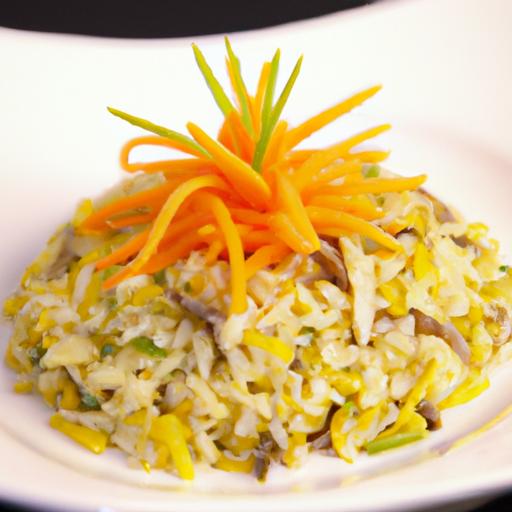
Long grain vs short grain rice offers a fascinating exploration into the world of rice varieties, each with distinctive textures and flavors that shape culinary experiences globally.understanding these differences lets you choose the perfect rice with confidence-whether you crave the fluffy, separate grains of long grain or the creamy, stickier charm of short grain rice. As someone who’s styled countless dishes and tasted plates from cozy home kitchens to elegant dining tables, I find that mastering these grains is the key to elevating your meals and bringing authenticity to each bite.
Prep and Cook Time
- Preparation: 5 minutes
- Cooking: 15-20 minutes (varies by rice type)
- Total Time: 20-25 minutes
Yield
Serves 4 generously
Difficulty Level
Easy to Medium – Suitable for cooks at any skill level
Ingredients
- 1 cup long grain rice (e.g., Basmati or Jasmine), rinsed until water runs clear
- 1 cup short grain rice (e.g., sushi or Arborio), rinsed thoroughly
- 2 cups water or broth (divided)
- 1 tsp sea salt
- 1 tbsp neutral oil (such as grapeseed or avocado oil)
- Optional garnish: chopped fresh herbs, toasted sesame seeds, or thinly sliced scallions
Instructions
- Rinse the rice under cold water using a fine mesh sieve to remove excess starch, repeating until water runs clear. This step is crucial for long grain rice to maintain fluffy, separate grains.
- in a medium saucepan, heat the oil over medium heat. Add rinsed long grain rice and stir gently for 1 minute to lightly toast the grains, unlocking a subtle nutty aroma.
- Add 1½ cups of water and ½ tsp salt to the saucepan. Bring to a gentle boil, then cover with a tight-fitting lid, reduce heat to low, and simmer for 15 minutes without lifting the lid.
- While the long grain rice cooks, prepare the short grain rice by placing it in a separate pot with ½ cup water and ½ tsp salt. Bring to a boil, then reduce heat and simmer, covered, for about 18 minutes or until tender and creamy.
- Remove both pots from heat, letting the rice rest covered for 10 minutes to allow steam to finish cooking the grains evenly.
- Fluff the long grain rice gently with a fork for light, airy grains. For short grain rice, use a wooden paddle or spatula to fold the grains together, preserving its naturally sticky texture.
- Serve immediately, garnished with your preferred fresh herbs or sesame seeds for added flavor and visual appeal.
expert Tips for Choosing and Cooking Rice
- Long grain rice, with its slender structure, shines in recipes like pilafs, biryanis, or as a crisp base for grilled vegetables. Its grains stay distinct,ideal when you want delicate fluffiness.
- Short grain rice is perfect for dishes demanding a creamy, cohesive texture such as risottos, sushi, or comforting rice puddings.
- Consider using broth instead of water to boost flavor depth without additional seasoning.
- Store rice in an airtight container, in a cool, dry place to maintain freshness. For long grain rice,avoid moisture to preserve its fluffiness; for short grain,keep tightly sealed to prevent clumping.
- Rinsing is non-negotiable for long grain varieties to achieve that ideal fluffy finish, while short grain retains a bit more starch, contributing to its stickier identity.
Serving Suggestions
Pair the fluffy long grain rice alongside vibrant curries, zesty grilled seafood, or fresh stir-fried vegetables. Its light texture acts as the perfect palate cleanser contrasting rich sauces.
Short grain rice delights when used in sushi rolls garnished with crisp nori and fresh avocado slices or as a creamy base in a wild mushroom risotto, topped with finely chopped parsley and a drizzle of truffle oil.
For a simple yet elegant presentation, sprinkle toasted sesame seeds and chopped scallions atop either rice for a gentle crunch and luminous green contrast that enlivens your plate.
| Rice Type | Calories (per 1 cup cooked) | Protein | Carbohydrates | Fat |
|---|---|---|---|---|
| Long Grain Rice | 205 kcal | 4.3 g | 45 g | 0.4 g |
| Short Grain Rice | 242 kcal | 4.2 g | 53 g | 0.4 g |
Explore more rice types and their best uses to expand your grain repertoire. For scientific insight on rice varieties and starch content, check out the Food chemistry journal.

Q&A
Q&A: Long Grain vs Short Grain Rice - Unraveling the Grainy Tale
Q1: What makes long grain rice different from short grain rice?
A1: The distinction lies primarily in shape and texture. Long grain rice grains are slender and about four to five times longer than they are wide, while short grain rice is nearly round and almost equal in length and width. This structural difference influences how each cooks-long grain tends to stay separate and fluffy, whereas short grain rice becomes stickier and creamier.
Q2: How do the cooking methods differ between these two types of rice?
A2: Long grain rice often requires a precise water-to-rice ratio and gentle simmering to achieve its signature fluffy texture, perfect for dishes that need distinct, separate grains.Short grain rice usually benefits from slightly more water and sometimes a soaking period, allowing the grains to absorb moisture and create that luscious, sticky consistency ideal for recipes where rice should clump together.
Q3: Which rice type is better for pilafs and salads?
A3: Long grain rice is your best ally for pilafs and salads. Its fluffy, non-sticky nature keeps grains separate, allowing herbs, vegetables, and seasonings to shine through without turning into a mushy mix.
Q4: When should you opt for short grain rice?
A4: Reach for short grain rice when you want creamy, comforting textures-think creamy rice puddings or sushi bowls. Its inherent stickiness also makes it a favorite in dishes where the rice needs to hold together, adding to the mouthfeel and structure.
Q5: Does the flavor differ substantially between the two?
A5: Flavor-wise, both types have a mild, slightly nutty taste, but the difference is subtle. The choice frequently enough hinges more on texture and culinary use than on taste alone.
Q6: Can you substitute one for the other in recipes?
A6: while possible, it’s not always ideal. Substituting long grain with short grain rice (or vice versa) may alter the texture and overall outcome. For example,using short grain rice in a pilaf might result in a gummy dish rather of a fluffy one.
Q7: Are there any nutritional differences between long grain and short grain rice?
A7: Nutritionally, they are quite similar, offering comparable amounts of carbohydrates, protein, and calories. The biggest differences come from the rice’s processing-brown or whole grain variants retain more fiber and nutrients compared to their white, polished counterparts.
Q8: How do you store each type to maintain freshness?
A8: Both should be kept in airtight containers in a cool, dry place. As rice can easily absorb moisture or odors, sealing them well preserves their quality and extends shelf life.
Q9: What cultural cuisines traditionally prefer each rice type?
A9: Long grain rice stars in Middle Eastern, Indian, and many Southeast asian dishes, complementing curries and pilafs with its fluffy nature. Short grain rice is beloved in East Asian cuisines,particularly Japanese and Korean,where its stickiness supports sushi,onigiri,and other customary preparations.
Q10: Any tips for cooking perfect rice every time?
A10: Absolutely! Rinse your rice thoroughly before cooking to wash away excess starch (especially for short grain to reduce over-stickiness). Use the right water ratio-usually about 1.5 to 2 cups of water per cup of rice, depending on type and method-and let the rice rest off the heat after cooking to allow moisture to distribute evenly.
Whether you savor the light, fluffy personality of long grain or the cozy, sticky embrace of short grain, understanding their unique characteristics unlocks a world of culinary possibilities. Your rice journey just became a little less grainy and a lot more delicious!
The Way Forward
Whether you’re crafting a fragrant pilaf or a creamy risotto,understanding the subtle nuances between long grain and short grain rice transforms your cooking from routine to remarkable. This grainy tale reveals more than just size-it’s about texture, flavor, and culinary tradition converging in every kernel. So, next time you find yourself at the rice aisle’s crossroads, remember: choosing the right grain is the secret ingredient to unlocking the full story on your plate. Embrace the grain, and let your dishes tell their own delicious tale.