
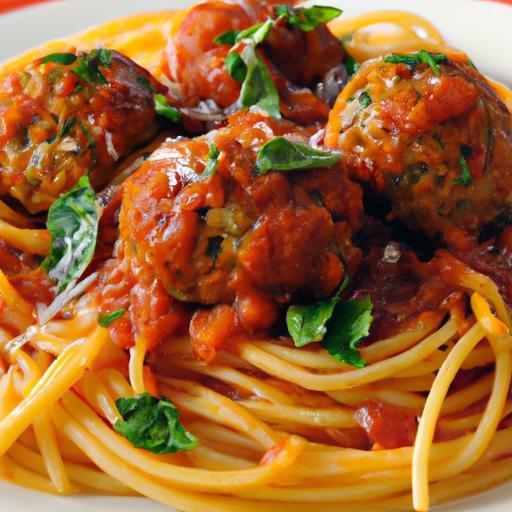
Few dishes evoke the warm embrace of home quite like spaghetti and meatballs. This beloved combination of tender, savory meatballs nestled atop a bed of perfectly cooked pasta, all luxuriating in a rich, flavorful tomato sauce, has become a quintessential comfort food for millions around the world. But beyond its satisfying taste and hearty appeal lies a fascinating story of cultural evolution, culinary innovation, and timeless tradition. In this article, we unravel the origins, variations, and enduring charm of spaghetti and meatballs-a classic dish that continues to nourish both body and soul.
Spaghetti and Meatballs: A Classic comfort Food Unveiled
Spaghetti and meatballs have long been cherished as a warm, hearty dish that marries tender, flavorful meatballs with perfectly cooked pasta and rich tomato sauce. This classic comfort food unveils a story woven through Italian-American heritage,evolving from humble beginnings into a beloved staple on dinner tables worldwide. Whether you’re reminiscing about family gatherings or diving into your first homemade batch, mastering this dish unlocks comforting satisfaction and culinary delight.
Origins and Evolution of Spaghetti and Meatballs in Culinary History
Though often considered an iconic Italian-American creation rather than a traditional Italian dish, spaghetti and meatballs emerged from immigrant ingenuity during the early 20th century. Italian immigrants adapted recipes from Southern Italy, where meatballs (or polpette) were typically served alone rather than paired with pasta.in America, resourceful cooks combined affordable ground beef with pantry staples, creating large meatballs simmered in tomato sauce to stretch meals for their families. This fusion was embraced in immigrant neighborhoods, gradually cementing its place in popular culture. Today, spaghetti and meatballs symbolize not only comfort food but also the creative spirit of transatlantic culinary blending.
Crafting the Perfect Meatballs: Secrets to Flavorful and Tender Bites
Unlocking tender,juicy meatballs starts with balancing quality ingredients and technique. Select a lean ground beef blend with just enough fat (around 15%) to guarantee moistness without greasiness. Introducing finely soaked breadcrumbs enhances softness, while grated Parmesan adds umami depth. Gently mixing-not overmixing-the meat mixture keeps the texture delicate.
For seasoning,fresh herbs like parsley and minced garlic work wonders alongside salt,pepper,and a hint of crushed red pepper for subtle warmth. When forming your meatballs, aim for uniform sizes-about 1 ½ inches diameter-for even cooking. Searing them in a skillet until golden seals in juices before a gentle simmer in sauce completes the cooking, guaranteeing each bite bursts with flavor without drying out.
Sauce Selection and Preparation Tips to Elevate Your Classic dish
the sauce binds the dish, turning simple ingredients into a radiant symphony of flavors.Start with high-quality canned San Marzano tomatoes or fresh plum tomatoes, crushed to a luscious consistency. Gently sweat onions and garlic in olive oil to create a savory base, then add the tomatoes along with fresh basil leaves and a splash of vegetable broth or water to balance acidity.
Simmer the sauce low and slow, ideally for 30-45 minutes, allowing flavors to meld and thicken naturally. Introducing a pinch of sugar can tame harshness in acidic tomatoes, while balancing herbs like oregano or thyme can add aromatic complexity. Remember to ladle sauce generously over your meatballs and spaghetti, ensuring every forkful is richly coated.
Pairing Suggestions and Serving Ideas for a Memorable Meal Experience
This comforting main course pairs beautifully with sides that complement its richness and balance texture.
- Garlic-infused crusty bread for dipping into the sauce.
- Fresh garden salad with a tangy vinaigrette to brighten the palette.
- Steamed or roasted seasonal vegetables, like asparagus or zucchini, offering freshness and color contrast.
To finish, a sprinkle of freshly grated Parmesan and a few torn fresh basil leaves add fragrant layers and visual appeal. For drinks, non-alcoholic sparkling water with a twist of lemon cleanses the palate and keeps the meal light. Serve in large pasta bowls to pile high, making every portion feel generous and inviting.
Prep and cook Time
- Preparation Time: 25 minutes
- Cooking Time: 45 minutes
- Total Time: 1 hour 10 minutes
Yield
Serves 4 generous portions
Difficulty Level
Medium
Ingredients
- 1 lb ground beef (85% lean)
- 1 cup fresh breadcrumbs
- ½ cup grated Parmesan cheese
- 2 large eggs, lightly beaten
- 2 cloves garlic, minced
- ¼ cup fresh parsley, finely chopped
- 1 tsp kosher salt
- ½ tsp freshly ground black pepper
- 1 tbsp olive oil (for searing)
- 1 large yellow onion, finely chopped
- 3 cloves garlic, minced (for sauce)
- 28 oz can crushed San Marzano tomatoes
- 1 tsp dried oregano
- 1 tsp fresh basil, chopped (plus extra for garnish)
- ½ tsp sugar (optional, to taste)
- Salt and pepper to taste
- 12 oz spaghetti pasta
- Water and kosher salt for pasta cooking
instructions
- Make the Meatball Mixture: In a large mixing bowl, combine ground beef, breadcrumbs, parmesan, eggs, minced garlic, parsley, salt, and black pepper. gently mix with your hands or a spatula until just combined; avoid overworking to keep meatballs tender.
- Form the Meatballs: Shape the mixture into approximately 1 ½ inch meatballs, placing them on a parchment-lined tray to prevent sticking.
- Sear the Meatballs: Heat olive oil in a large skillet over medium-high heat.Add meatballs in batches without crowding, cooking for about 2-3 minutes per side until golden brown. Remove and set aside.
- Prepare the Sauce Base: Using the same skillet, lower heat to medium, sauté chopped onion until translucent and fragrant, about 5 minutes. Add minced garlic and cook for another 1 minute, stirring before adding crushed tomatoes.
- Simmer the Sauce: Stir in oregano, basil, salt, pepper, and sugar (if using). Let sauce simmer gently for 10 minutes to allow flavors to meld.
- Cook Meatballs in Sauce: Carefully nestle seared meatballs into the simmering tomato sauce. Cover and cook on low heat for 20-25 minutes, turning occasionally to ensure even coating.
- Cook Spaghetti: Meanwhile, bring a large pot of salted water to a boil. add spaghetti and cook according to package instructions until al dente.Drain thoroughly.
- Assemble the Dish: Plate cooked spaghetti and generously spoon meatballs and rich tomato sauce on top. Garnish with additional fresh basil and a sprinkle of Parmesan.
Tips for Success
- For an extra moist texture, soak the breadcrumbs in a little milk or water before mixing.
- If you want a more herbaceous punch, double the fresh parsley or add a touch of rosemary.
- Do not skip the searing step-this locks in juices and gives meatballs a stunning crust.
- Use a gentle hand when mixing the meatball ingredients to avoid dense,tough bites.
- Meatballs freeze beautifully-cook fully in sauce, cool, and store for up to 3 months for a perfect ready-made meal.
Serving Suggestions
Serve your spaghetti and meatballs accompanied by garlic toasted bread or a crisp green salad tossed in tangy vinaigrette. Garnish with fresh basil and extra Parmesan cheese for visual appeal and flavor boost. For a shared family-style presentation, place a large platter of pasta and meatballs in the center, allowing guests to help themselves. Complement with side dishes like roasted seasonal vegetables for extra color and nutrients.

| Nutrient | Amount per Serving |
|---|---|
| Calories | 580 kcal |
| Protein | 32 g |
| Carbohydrates | 60 g |
| Fat | 18 g |
Explore more comforting italian-American classics like our Classic italian Marinara Sauce to further elevate your culinary skills. For an authoritative dive into Italian-American food history, visit britannica’s Italian-American cuisine overview.
Q&A
Q&A: Spaghetti and Meatballs – A Classic Comfort Food Unveiled
Q1: What makes spaghetti and meatballs a timeless comfort food?
A1: Spaghetti and meatballs marry simplicity with heartiness. The tender, perfectly seasoned meatballs resting on a bed of al dente spaghetti, all bathed in rich, flavorful tomato sauce, create a warm, satisfying experience.Its nostalgic appeal evokes memories of family dinners and home-cooked warmth, making it a perennial favorite across generations.
Q2: Where did spaghetti and meatballs originate?
A2: while spaghetti is a staple of Italian cuisine and meatballs (or “polpette”) have long existed in Italy, the iconic pairing of spaghetti and large meatballs in tomato sauce is largely an Italian-American creation. Immigrants adapted their traditional recipes with available ingredients, crafting the dish into the hearty, comforting classic beloved today.
Q3: What are the traditional meatball ingredients, excluding pork?
A3: Traditional meatballs often combine ground beef or veal with breadcrumbs, grated cheese (like Parmesan), eggs, garlic, herbs such as parsley, and seasonings. These components bind and flavor the mixture, leading to juicy, flavorful meatballs that complement the sauce and pasta perfectly.
Q4: How can one achieve the perfect texture for meatballs?
A4: Achieving the ideal meatball texture involves balancing moisture and binding agents without overworking the meat mixture. Using soaked breadcrumbs or finely ground oats helps retain moisture, while gentle mixing and careful cooking-whether pan-frying or baking-ensure tender yet firm meatballs that hold together beautifully.
Q5: What role does the tomato sauce play in the dish?
A5: Tomato sauce is the soul of spaghetti and meatballs.A slow-simmered sauce, enriched with garlic, onions, herbs like basil and oregano, and a touch of richness from olive oil or a bit of Parmesan rind, provides a fragrant, savory backdrop that melds the flavors, tenderizes the meatballs, and ties the dish together.
Q6: Can spaghetti and meatballs be adapted for different dietary preferences?
A6: Absolutely. while traditionally made with beef or veal, meatballs can be crafted from ground turkey, chicken, or plant-based proteins for those seeking lighter or vegetarian options. Adjusting the seasoning and ensuring proper moisture balance will maintain the classic comfort while accommodating diverse diets.
Q7: What are some creative twists on the classic spaghetti and meatballs?
A7: Beyond the traditional, chefs have explored meatballs infused with herbs like rosemary or spices such as smoked paprika. Some swap the spaghetti for noodles made from other grains or vegetables, like zucchini ribbons or chickpea pasta, for a nutrient boost. And sauces can vary from a roasted red pepper coulis to a tangy arrabbiata, adding new layers of flavor while keeping the heart of the dish intact.
Q8: How should spaghetti and meatballs be served for the best experience?
A8: Serve meatballs atop a nest of hot, freshly cooked spaghetti, spoon over generous amounts of tomato sauce, and finish with a sprinkle of freshly grated Parmesan and chopped basil or parsley. A crusty garlic bread and a side salad of crisp greens add balance, making for a well-rounded, comforting meal.
Q9: Why does this dish resonate across cultures?
A9: Spaghetti and meatballs combine universally loved ingredients-pasta, richly flavored meat, and tomato sauce-in a way that feels both indulgent and homey. Its adaptability and heartwarming nature make it a dish that transcends borders, inviting people everywhere to share in its comforting embrace.
Closing Remarks
spaghetti and meatballs are more than just a dish-they are a warm embrace served on a plate, a tasty bridge between cultures and generations. From humble roots to beloved tables worldwide, this classic comfort food continues to delight with its harmonious blend of flavors and timeless appeal. Whether twirling the tender pasta around your fork or savoring each juicy meatball, you’re partaking in a culinary story that’s as rich and satisfying as the sauce itself. So next time you sit down to this iconic meal, remember: you’re enjoying a true taste of tradition, carefully crafted to comfort, connect, and celebrate the simple joys of good food.