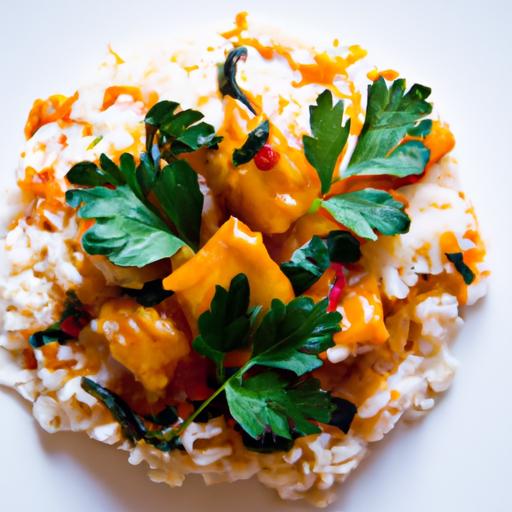

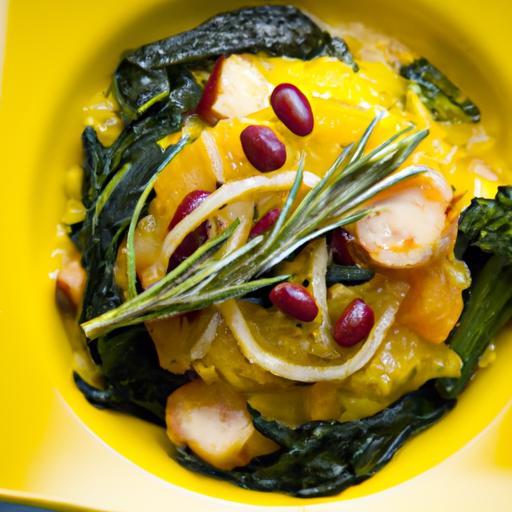
Rice-a humble grain that has journeyed thru millennia, threading its way into the heart of countless cultures and kitchens around the world. From the fragrant jasmine fields of Thailand to the bustling street markets of Mexico, rice meals tell stories of tradition, innovation, and community. in this article, we embark on a flavorful voyage to explore the diversity of rice-based dishes that not only satisfy appetites but also embody rich histories and regional identities. join us as we uncover the wonders of rice-from comforting classics to dazzling culinary masterpieces-celebrating a staple that transcends borders and brings people together one grain at a time.
Origins and Cultural Importance of Rice Meals Around the World
Rice Meal Wonders have transcended borders and generations, serving as the heart and soul of countless cultures. From the fertile terraces of Asia to the vibrant kitchens of Latin America and the aromatic markets of the Mediterranean, rice symbolizes sustenance, community, and tradition. It’s more than just a staple grain; it’s a culinary canvas that tells stories of adaptation, heritage, and innovation.
Take, as an example, the fragrant Jollof rice of West Africa, where bold spices and tomatoes unite to create a dish synonymous with party and family gatherings. Or the delicate textures of Japan’s Onigiri, which transform humble rice into portable, comforting morsels. In India, the layered richness of Biryani showcases centuries of cultural exchange through aromatic spices and slow-cooking techniques.
Signature Dishes That Celebrate Regional Ingredients and techniques
Each region infuses its local ingredients and time-honored methods into rice meals, elevating this simple grain into gourmet delights. Southeast Asia highlights jasmine and sticky rices paired with coconut milk and fresh herbs, crafting dishes like nasi lemak and sticky rice with mango.The Mediterranean region often pairs rice with olives, citrus, and seafood, producing dishes such as arroz a la marinera.
Mastering these signature dishes begins with selecting the right rice variety and applying precise cooking techniques-from rinsing and soaking to steaming and frying-each step crucial in achieving authentic texture and aroma.understanding these principles allows every cook to experiment and perfect their rice creations, nonetheless of cultural background.
Cooking Tips and Flavor Pairings to Elevate Your Rice Creations
To truly elevate your rice dishes, start with quality rice suited for the desired texture-long grain for fluffy, short grain for sticky. Always rinse rice under cold water until it runs clear to remove excess starch. when cooking, use broth instead of water wherever possible for depth of flavor.
Flavor pairings make all the difference: fresh herbs like cilantro, mint, and parsley add brightness, while toasted nuts or seeds introduce texture and warmth. Citrus zest or a splash of vinegar can balance richness, and spices like cumin, turmeric, or smoked paprika bring earthiness and colour. Experiment with aromatics such as garlic, ginger, or lemongrass to complement regional profiles.
Exploring Modern Twists on Traditional Rice Recipes for Every Palate
Innovative cooks have embraced the challenge of reimagining classic rice recipes to suit diverse tastes and modern lifestyles. Try vegan versions of traditional biryanis by swapping in roasted vegetables and cashews. Create fusion bowls combining Spanish paella techniques with Middle Eastern spices.
For a contemporary take,consider using alternative grains like black rice or red rice for their striking colors and antioxidant properties.Incorporate superfoods and fresh, seasonal produce while preserving the soul of the original dish. These modern twists keep rice meal wonders vibrant, accessible, and endlessly inspiring.
Recipe Spotlight: Vibrant vegetable Biryani
This vibrant vegetable biryani encapsulates the essence of rice meal wonders, blending fragrant basmati rice with aromatic spices and colorful vegetables. A celebration of texture and flavor, this recipe honors traditional Indian cooking techniques while remaining vegetarian and adaptable.
Prep and Cook Time
- Prep Time: 20 minutes
- Cook Time: 40 minutes
- Total Time: 1 hour
Yield
Serves 4 generously
Difficulty Level
Medium
Ingredients
- 1 ½ cups basmati rice, rinsed and soaked for 30 minutes
- 2 tbsp vegetable oil
- 1 large onion, thinly sliced
- 3 garlic cloves, minced
- 1-inch piece ginger, grated
- 1 green chili, slit (optional)
- 1 cup mixed vegetables (carrots, peas, green beans, diced)
- 1 medium tomato, chopped
- 1 tsp cumin seeds
- 1 tsp turmeric powder
- 1 tsp garam masala
- 1 tsp coriander powder
- ½ tsp cinnamon powder
- 2 cups vegetable broth
- Salt to taste
- Fresh cilantro and mint leaves, chopped, for garnish
- Juice of ½ lemon
- ¼ cup roasted cashews or almonds (optional)
Instructions
- Prepare the rice: Drain soaked basmati rice and set aside.
- Heat oil in a heavy-bottomed pot over medium heat.Add cumin seeds and sauté until they pop,about 30 seconds.
- Add sliced onions and sauté until golden brown, about 8 minutes, stirring frequently.
- Stir in garlic, ginger, and chili; cook for another 1-2 minutes until aromatic.
- Add chopped tomatoes and mixed vegetables; cook until tomatoes soften, around 5 minutes.
- Mix in turmeric, coriander, cinnamon, and garam masala, stirring to coat vegetables evenly.
- Add rice to the pot and gently fold to combine with the spiced vegetables without breaking the grains.
- Pour in vegetable broth and add salt to taste.Bring to a gentle boil.
- Reduce heat to low, cover with a tight-fitting lid, and simmer for 15-18 minutes, or until rice is tender and liquid absorbed.
- Turn off heat and let the biryani rest, covered, for 5 minutes to develop flavors fully.
- Fluff the rice gently with a fork. Squeeze lemon juice over, and garnish with fresh cilantro, mint, and roasted nuts if using.
- Serve instantly, accompanied by cooling raita or a crisp salad.
Tips for Success
- Use aged basmati rice for the best fragrance and separate grains.
- Soaking rice reduces cooking time and prevents mushiness.
- If you prefer a deeper aroma, add a few whole cardamom pods or a bay leaf while cooking.
- Vegetable broth is key to infusing savory depth-homemade or high-quality store-bought works great.
- For a protein boost, add cooked chickpeas or paneer cubes alongside vegetables.
- Make-ahead tip: Prepare the spiced vegetable base a day ahead; refrigerate and combine with freshly cooked rice when ready to serve.
Serving Suggestions
Present this colorful vegetable biryani in a large shallow bowl or on a platter to showcase its vibrant contrast. Garnish generously with chopped herbs and crunchy nuts for texture. pair with a cooling cucumber and yogurt raita or a fresh tomato and onion salad dressed with lemon and cumin to balance the richness.
This dish also pairs beautifully with pickled vegetables or a simple side of sautéed greens to round out the meal. A sprinkle of fried onions or a drizzle of fragrant saffron-infused milk can elevate the presentation further, creating a feast for both the eyes and palate.
Nutritional Data
| Per Serving | Calories | Protein | Carbs | Fat |
|---|---|---|---|---|
| Vegetable Biryani | 350 kcal | 8 g | 60 g | 7 g |

To delve deeper into rice meal wonders and their global adaptations, visit our Ultimate Guide to Spices and broaden your culinary horizon. For authentic ingredient sourcing and cultural insights, check out Britannica’s entry on Biryani.
Q&A
Q&A: Rice Meal Wonders – Exploring global Flavors and Traditions
Q1: Why is rice considered a worldwide ingredient in global cuisines?
A1: Rice is one of the moast ancient and versatile staple foods,cultivated for thousands of years across continents. Its mild flavor and adaptable texture make it the perfect canvas for a world of culinary creativity.From fragrant spices to fresh herbs, rice absorbs and enhances local ingredients, allowing cultures to infuse their histories and traditions into every grain.
Q2: How do rice dishes reflect the cultural identity of a region?
A2: Rice dishes are frequently enough a tasty manifestation of a region’s geography, climate, and heritage. For example, in Southeast Asia, jasmine or sticky rice pairs with tropical fruits and fiery chilies, reflecting both the terrain and palate.In Spain, the iconic paella showcases seafood and saffron, telling the story of coastal life and Moorish influences. Each variation is a flavorful chapter in the narrative of people and place.
Q3: What are some unique rice-based meals from around the world?
A3: The globe offers a dazzling array of rice dishes: Japan’s sushi artfully combines vinegared rice with fresh fish and vegetables; India’s biryanis layer fragrant basmati rice with a symphony of spices and vegetables or meats like chicken and lamb; Nigeria’s Jollof rice bubbles with tomatoes, peppers, and spices for a bold, communal feast. Each dish speaks to local flavor profiles and cooking techniques.Q4: How does cooking rice vary across cultures?
A4: Cooking methods range from steaming and boiling to frying and baking, each unlocking different textures and flavors. In Korea, sticky rice is steamed and served with side dishes for balanced meals, while in Italy, risotto is slowly simmered with broth to a creamy perfection. The method often depends on rice variety and local preferences, turning simple grains into remarkable culinary experiences.
Q5: Can rice meals be both everyday food and celebratory fare?
A5: Absolutely! Rice is a versatile staple that feeds daily life yet also stars in festive dishes. A humble bowl of congee can comfort the body in the morning, while elaborate dumplings or rice cakes might grace holiday tables. This duality shows rice’s incredible ability to adapt, nourishing families quietly or shining at grand occasions.
Q6: What makes rice a lasting choice in global kitchens?
A6: Beyond its role as a food source, rice cultivation sustains millions of farmers and supports countless communities worldwide. Many traditional rice farming practices encourage biodiversity and water management, aligning with ecological balance. Moreover,rice’s long shelf life and energy-efficient cooking options contribute to reducing food waste and environmental impact.
Q7: How can home cooks embrace global rice traditions in their own kitchens?
A7: Start by exploring different rice varieties-try fragrant jasmine, nutty brown, or chewy black rice. Experiment with global spice blends,herbs,and vegetables to recreate dishes like pilaf,paella,or bibimbap. Embrace the art of layering flavors and textures, and don’t hesitate to adapt recipes with local ingredients. Cooking rice is both a science and an invitation to creativity and cultural connection.
Q8: What role do rice meals play in community and celebration?
A8: Rice dishes frequently enough bring people together, symbolizing abundance and hospitality. Communal meals centered around large pots of biryani, paella, or jambalaya encourage sharing and storytelling. Festivals across cultures frequently incorporate rice foods as offerings or celebratory feasts, underscoring rice’s central place not just on plates but in hearts.
Q9: Are there intriguing rice traditions linked to rituals or spirituality?
A9: indeed! In many cultures, rice is more than sustenance-it’s sacred. In parts of India and Japan, rice ceremonies mark new beginnings, blessings, and gratitude for harvests. The planting and harvesting cycles themselves are sometimes accompanied by ritual offerings, reflecting rice’s profound connection to life, fertility, and community well-being.
Q10: How can rice inspire us beyond the kitchen?
A10: Rice teaches us resilience, adaptability, and unity. From its countless varieties to the myriad ways it nourishes and connects people,rice reminds us that simple elements,carefully cultivated and shared,build the foundation of rich cultures and shared humanity.Each grain carries stories of earth, water, and human hands-a daily wonder to savor and celebrate.
To Conclude
As we close our flavorful journey through the world of rice meals, it’s clear that this humble grain is far more than just a staple-it is a canvas for culture, creativity, and connection. From the fragrant biryanis of South Asia to the comforting risottos of Italy, rice carries stories of tradition, innovation, and community in every bite.Whether seasoned with exotic spices, wrapped in vibrant leaves, or transformed into delicate desserts, rice continues to unite diverse palates across continents.So next time you sit down to enjoy a rice-based dish, remember you’re partaking in a timeless global celebration-one spoonful at a time.