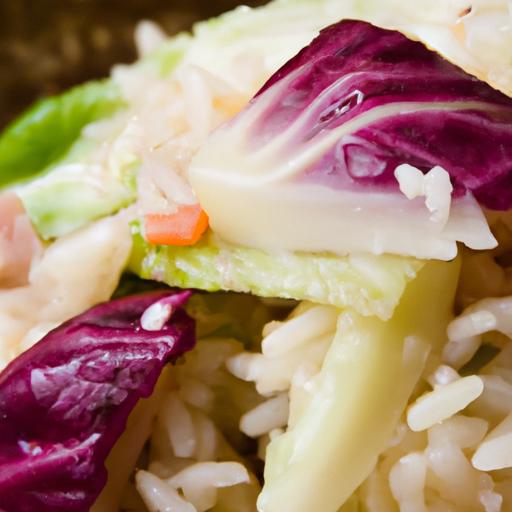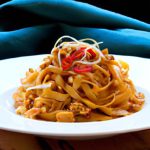

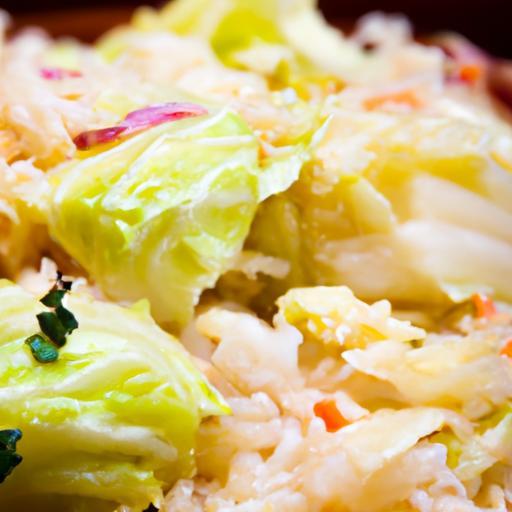
Rice and cabbage-two humble ingredients that, when paired together, have woven a rich tapestry of flavors and traditions across the globe. From bustling street markets in Southeast Asia to cozy family kitchens in Eastern Europe, this unassuming duo transcends borders and cultures, nourishing not only the body but also the soul. Beyond their simplicity lies a vibrant story of culinary creativity, cultural heritage, and the timeless art of turning everyday staples into comforting, memorable meals. Join us as we explore how rice and cabbage unite to create dishes that are as diverse and dynamic as the communities that cherish them.
The Historical roots of Rice and Cabbage in Global Cuisines
Rice and cabbage: a flavorful duo nourishing cultures around the world for centuries, each ingredient steeped in history and tradition. Rice, one of the moast ancient staple grains, dates back over 9,000 years in Asia and has journeyed across continents, becoming a cornerstone in African, Middle eastern, and American kitchens.Cabbage, with origins tracing to Europe, was cherished by ancient civilizations like the Romans and Celts for its resilience and nutrition. Together, they form a symbiotic pair in global culinary narratives-from the hearty Hungarian stuffed cabbage to vibrant Asian fried rice dishes-showcasing how simple, affordable ingredients can create complex, beloved flavors.
Nutritional Synergy Unlocking the Health Benefits of Rice and cabbage
combining rice and cabbage not only creates breathtaking taste but also amplifies nutritional benefits. Rice provides a gluten-free source of energy-rich carbohydrates, B vitamins, and essential minerals, while cabbage contributes powerful antioxidants, fiber, and vitamin C. This blend supports digestive health, immune function, and sustained energy levels, making dishes built on these ingredients valuable additions to balanced diets. The fiber content in cabbage complements rice’s starch to promote steady blood sugar and gut health, a natural synergy that nourishes body and palate alike.
Traditional Recipes reimagined for Contemporary Palates
Embracing this culinary duo’s legacy, modern chefs and home cooks have reimagined rice and cabbage dishes to captivate today’s tastes.Imagine vibrant, herb-infused cabbage stir-fries paired with fragrant jasmine rice, or gently spiced cabbage stews served over nutty brown rice. These reinterpretations keep the soul of tradition alive while honoring contemporary flavor profiles, dietary preferences, and aesthetic appeal. By brightening cabbage with fresh lemon zest and layering textures with toasted sesame seeds or crunchy nuts,you elevate simplicity into sensational comfort food.
Tips for Selecting and Preparing Rice and Cabbage to Maximize Flavor and Texture
Choosing the right rice and cabbage and preparing them thoughtfully ensures your dishes shine.For rice, select long-grain varieties such as basmati or jasmine for fluffy, separate grains, or opt for hearty brown rice for nuttiness and added fiber. rinse rice thoroughly before cooking to remove excess starch and prevent clumping. When picking cabbage, look for firm, dense heads with vibrant leaves free from blemishes or discoloration.
For cooking, avoid overboiling cabbage; rather, sauté or steam briefly to preserve crunch and brightness. When combining with rice, layering textures-silky, tender cabbage with fluffy, light rice-creates a harmonious bite. Incorporate seasoning early to infuse aroma and finish dishes with fresh herbs or a squeeze of citrus to brighten the palate. These simple techniques bring out the best in rice and cabbage,unlocking their fullest flavor and health potential.
Classic Rice and cabbage Stir-Fry
Rice and cabbage: a flavorful duo nourishing cultures in a speedy, colorful, and wholesome stir-fry that’s perfect for weeknight dinners or a satisfying lunch.This recipe highlights the versatility of these ingredients, blending them with aromatic garlic, fiery chili, and umami-packed soy sauce to awaken your senses.
Ingredients
- 1 ½ cups long-grain jasmine rice, rinsed and drained
- 3 cups shredded green cabbage (about half a medium head)
- 2 tablespoons sesame oil
- 4 cloves garlic, minced
- 1 small red chili, thinly sliced (optional)
- 1 medium carrot, julienned
- 3 green onions, sliced thinly
- 3 tablespoons low-sodium soy sauce
- 1 tablespoon freshly grated ginger
- ½ cup toasted cashew nuts (optional for crunch)
- Fresh cilantro or parsley for garnish
- salt and pepper to taste
Instructions
- Cook the rice: In a medium pot, bring 3 cups water to a boil.Add rinsed rice, reduce heat to low, cover, and simmer for 12-15 minutes until water is absorbed. Remove from heat and let stand covered.
- Prepare the vegetables: While rice cooks, shred cabbage finely, julienne carrot, mince garlic, slice chili and green onions.
- Heat sesame oil: In a large wok or skillet over medium-high heat, warm the sesame oil until shimmering.
- Sauté aromatics: Add minced garlic, ginger, and chili (if using). Stir-fry for 1 minute until fragrant-avoid burning.
- Cook cabbage and carrot: Toss in shredded cabbage and carrot. Stir-fry for 5-7 minutes until cabbage softens but still retains slight crunch.
- Add rice and sauce: Fluff cooked rice with a fork and add to the wok. Pour soy sauce over the mixture and stir continuously to combine and heat through.
- Finish with nuts and greens: Remove from heat. Stir in toasted cashews and sliced green onions. Season with salt and pepper to taste.
- Serve: Plate warm and garnish with fresh cilantro or parsley for a burst of color and freshness.
Chef’s Notes
- Rice alternatives: Brown basmati rice or black rice add extra depth and texture but may require longer cooking time.
- Vegetarian variation: Add firm tofu cubes or chickpeas to boost protein content without changing flavors drastically.
- Make-ahead tips: Cook rice a day in advance and store in the refrigerator to achieve a firmer, less sticky texture ideal for stir-fry.
- Flavor boost: Garnish with a drizzle of nutty toasted sesame oil right before serving for an extra aroma punch.
- Spice level: Adjust fresh chili quantity or add a splash of chili garlic sauce to suit your heat tolerance.
Serving Suggestions
This vibrant rice and cabbage stir-fry pairs beautifully with light, crisp sides like cucumber salad or steamed edamame. Enhance presentation by serving in wide bowls topped with extra toasted nuts and sprigs of fresh herbs. For a heartier meal, add grilled chicken or baked falafel on the side. A wedge of lime or lemon brightens each bite and encourages mindful, flavorful dining.
| Nutrient | Per Serving |
|---|---|
| Calories | 320 kcal |
| Protein | 7 g |
| Carbohydrates | 58 g |
| Fat | 6 g |

For more inspiring recipes blending wholesome ingredients, visit our Wholesome Grain Recipes collection. Learn more about rice’s global history at Encyclopaedia Britannica.
Q&A
Q&A: Rice and Cabbage – A Flavorful Duo Nourishing Cultures
Q1: Why are rice and cabbage frequently enough paired together in traditional dishes?
A1: Rice and cabbage complement each other beautifully both in texture and nutrition. Rice provides a soft, filling base with subtle sweetness, while cabbage brings crispness and a slightly peppery bite. Together, they create a balanced, hearty dish that resonates across many culinary traditions worldwide.
Q2: How do different cultures incorporate rice and cabbage into their cuisine?
A2: From Eastern Europe’s beloved stuffed cabbage rolls to Asian stir-fries and pilafs, rice and cabbage appear in countless forms. In Korea, kimchi cabbage pairs with rice in vibrant meals, while in India, cabbage is seasoned with spices and mixed with rice for comforting one-pot dishes. each culture adapts these humble ingredients to tell a story of flavor, history, and homeland.
Q3: What are the nutritional benefits of combining rice and cabbage?
A3: Rice is a great source of carbohydrates providing energy, while cabbage is rich in fiber, vitamins C and K, and antioxidants. Together,they offer a nourishing combination that supports digestion,boosts immunity,and keeps you energized,making this duo both delicious and wholesome.
Q4: Can rice and cabbage be prepared in vegetarian or vegan-kind ways?
A4: Absolutely! This duo is a champion of plant-based cooking. Whether simply sautéed with garlic and herbs, simmered in vegetable broth, or incorporated into hearty stews and curries, rice and cabbage absorb flavors beautifully and make satisfying meals without any animal products.
Q5: What cooking techniques best highlight the flavors of rice and cabbage?
A5: Techniques like steaming, sautéing, fermenting, and slow-cooking all showcase these ingredients differently. Steaming preserves cabbage’s crunch and subtle sweetness, while sautéing caramelizes its edges for savory depth. Fermented cabbage, like sauerkraut or kimchi, introduces tang and complexity when paired with fluffy rice, creating a dynamic flavor experience.
Q6: How can home cooks experiment with rice and cabbage to create new dishes?
A6: Start by exploring different rice varieties-such as jasmine, basmati, or black rice-and combine them with raw or cooked cabbage. try seasoning with global spice blends like garam masala, za’atar, or smoked paprika to reinvent classic pairings. Adding nuts, seeds, or legumes can also boost texture and nutrition, turning simple ingredients into culinary adventures.
Q7: What cultural meaning does the rice and cabbage duo hold?
A7: Beyond nourishment, rice and cabbage frequently enough symbolize comfort, family, and tradition. Many cultures associate dishes featuring these ingredients with home-cooked warmth, festive occasions, or humble beginnings. Their accessibility and adaptability have allowed rice and cabbage to become staples that bring people together across generations and geographies.
To Conclude
As we’ve explored, the humble pairing of rice and cabbage transcends mere ingredients, weaving together stories of heritage, tradition, and sustenance across continents. More than just a meal, this flavorful duo embodies the resilience and creativity of cultures that have cherished them for generations. Whether served as a comforting home-cooked dish or celebrated in festive feasts, rice and cabbage continue to nourish not only bodies but also the rich tapestry of human connection. In every bite lies a testament to how simple foods can carry profound meaning, reminding us that culinary traditions are powerful vessels of culture and community.