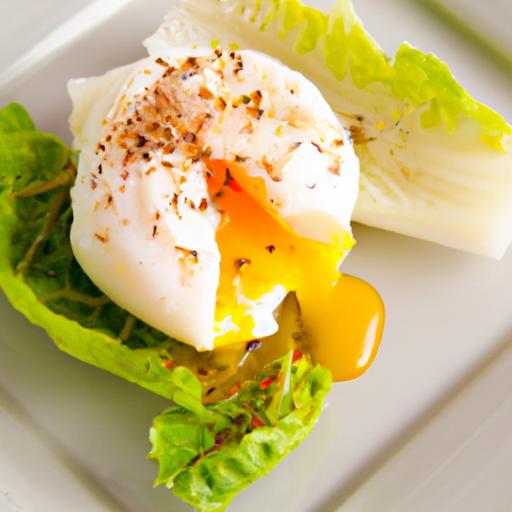

There’s something undeniably enchanting about the delicate dance of an egg gently slipping into simmering water, its translucent white slowly transforming into a tender embrace around a golden, runny centre. Perfect poached eggs have long been the hallmark of culinary finesse-seemingly simple, yet notoriously tricky too master. Enter the egg poacher pan: a humble kitchen hero designed to take the guesswork out of this artful process. In this article, we’ll unravel the secrets of achieving flawless poached eggs every time, guiding you through the nuances of your egg poacher pan so you can elevate breakfast from routine to remarkable. Whether you’re a seasoned cook or an eager beginner, get ready to crack into a world where silky whites and luscious yolks reign supreme.
Choosing the Ideal Egg Poacher Pan for Consistent Results
Perfect Poached Eggs Every Time start with the right tools, and selecting your egg poacher pan is the foundation for flawless eggs. Look for a pan with a sturdy base and a well-fitted lid, which helps maintain even heat and steam-crucial for those delicate whites to set while keeping the yolks irresistibly runny. Stainless steel options offer durability and heat retention, while nonstick coatings ease cleanup and reduce sticking. some designs feature individual egg cups that lift out, making serving effortless and presentation elegant. Remember, the ideal pan will comfortably fit your stovetop and allow room for gentle simmering without overcrowding.
Preparing Your Pan and Water for Flawless Poaching
Before the magic begins, prepare your pan thoughtfully. Fill it with about an inch of water-enough to steam but not submerge the eggs completely. Add a splash of vinegar (around 1 tablespoon per 4 cups of water) to help the egg whites coagulate quickly and neatly. Heat the water on medium until just under a gentle simmer; bubbles should form softly around the edges, not rolling or boiling vigorously. Using room-temperature eggs enhances control, minimizing the shock of sudden heat. Lightly oiling the poaching cups with a neutral oil can further prevent sticking and ensure perfect shapes every time.
Timing and Temperature Secrets for silky Smooth Eggs
Mastering timing and temperature unlocks a silky, tender texture.Once your water is simmering and the eggs are gently slid into the poacher cups, cover immediately with the lid to trap steam. This steam environment cooks eggs evenly and softly. For perfect softness, aim for 3 to 4 minutes-long enough for whites to firm, yet yolks to remain luscious. Adjust slightly if you prefer softer or firmer yolks; remember, residual heat will continue cooking the eggs after lifting them off the stove. Avoid high heat, which causes tough whites and broken yolks, and resist the urge to peek constantly.Trust in the gentle steam process for creamy, cloud-like results.
Creative Serving Ideas to Elevate Your Perfect poached eggs
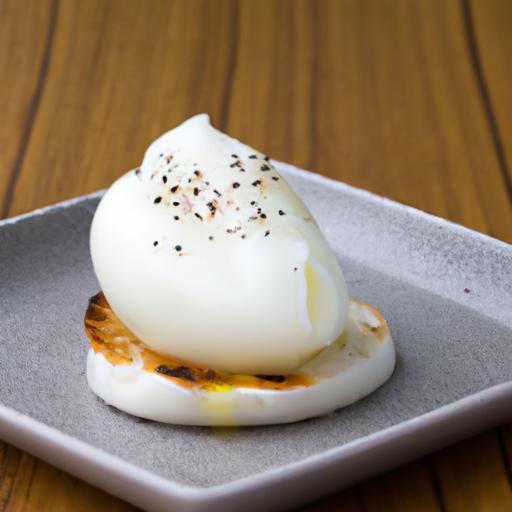
Your perfectly poached eggs deserve a stage worthy of their silky texture and golden centers. Serve these beauties atop toasted sourdough sprinkled with flaky sea salt and cracked black pepper for a rustic delight. For a brunch centerpiece, layer them on sautéed spinach or asparagus, finishing with a drizzle of vibrant herb-infused olive oil or a sprinkle of fresh chives. Elevate with a dollop of tangy hollandaise or avocado smash for modern flair. Don’t forget the crunch of toasted nuts,microgreens,or even a scattering of dukkah to surprise the palate. Each bite will gleam with freshness and sophistication, guaranteed to impress family or guests.
Prep and Cook Time
- preparation: 5 minutes
- Cooking: 4 minutes
- total Time: Approximately 10 minutes
Yield
Serves 2 (2 eggs per person)
Difficulty Level
Easy – Perfect for beginners to pros aiming for consistent perfection
Ingredients
- 4 large fresh eggs, room temperature
- 1 inch water in egg poacher pan
- 1 tablespoon white vinegar (optional, aids coagulation)
- 1 teaspoon neutral oil (e.g., canola or grapeseed) for greasing poacher cups
- Flaky sea salt and freshly ground black pepper, for serving
Instructions
- Prepare your egg poacher pan: Pour 1 inch of water and add 1 tablespoon white vinegar. Heat the pan over medium heat until small bubbles appear gently around the edge; avoid boiling.
- Lightly oil the poacher cups: Use a pastry brush or paper towel to coat each cup with neutral oil, preventing eggs from sticking and keeping edges neat.
- Crack each egg carefully: Into a small bowl, then gently slide it into a poacher cup to prevent breaking yolks.
- Cover with the lid immediately: Trap the steam which cooks eggs evenly. Poach for 3 to 4 minutes for soft, silky yolks.Adjust timing for your preferred doneness.
- Remove eggs with a slotted spoon: Gently lift eggs out and transfer to warm plates, draining excess water.
- Season and serve: Sprinkle flaky sea salt and cracked black pepper to taste. Add your favorite garnishes and enjoy immediately.
Tips for Success
- Use the freshest eggs possible – fresher whites hold shape better during poaching.
- Vinegar is optional but highly recommended; it helps yolks stay intact without affecting flavor noticeably.
- If you don’t have a poacher pan, a deep skillet with gentle simmering water and a fine mesh cup works as a substitute.
- To reheat poached eggs without overcooking, dunk briefly in warm water just before serving.
- Practice patience: gentle steam is the secret, not rushed rolling boils that cause broken whites.
Serving Suggestions
- Layer on toasted sourdough rubbed with garlic and topped with thinly sliced avocado and spritz of lemon.
- Elevate with a smear of whipped ricotta, fresh herbs like tarragon, and a drizzle of extra virgin olive oil.
- For a vegetarian breakfast, serve atop roasted tomatoes, sautéed kale, and a sprinkle of toasted pine nuts.
- Garnish with microgreens, a pinch of smoked paprika, or truffle salt for an unexpected gourmet twist.
| Nutrient | Per Poached Egg |
|---|---|
| Calories | 70 kcal |
| Protein | 6 g |
| Carbs | 1 g |
| Fat | 5 g |
Related Reading: Explore more on easy steamed eggs recipes to diversify your egg preparations.For detailed science behind egg poaching, visit Serious Eats: The Science of poached Eggs.

Q&A
Q&A: Perfect Poached Eggs every Time: Mastering Your Egg Poacher pan
Q: What makes an egg poacher pan different from conventional poaching methods?
A: An egg poacher pan is designed with individual cups or compartments, allowing eggs to poach gently without spreading or merging in the water. This creates perfectly shaped eggs with tender whites and runny yolks, eliminating the need for swirling water or dealing with stray egg whites.
Q: How do I prepare my egg poacher pan before cooking?
A: Always lightly grease each cup with a small amount of butter or oil to prevent sticking and ensure smooth release. This simple step guarantees your eggs will slide out beautifully onto the plate, maintaining their delicate shape.
Q: What’s the ideal water temperature for poaching in a poacher pan?
A: Bring water to a gentle simmer-around 180-190°F (82-88°C). Boiling water can cause the eggs to cook too aggressively or break apart. A simmer creates a calm environment to poach eggs evenly and tenderly.
Q: How much water should I add to the poacher pan?
A: Add enough water so that it reaches just below the cups, typically about one inch. This creates steam that gently cooks the eggs while preventing direct water contact, preserving their silky texture.
Q: Can I use any type of egg in the poacher pan?
A: Absolutely! Fresh eggs are best because their whites hold together more firmly, but medium or large eggs both work well. If you want a smaller or larger portion,just adjust cooking time slightly to suit.Q: How long should I cook eggs in the egg poacher pan?
A: Generally,poach eggs for about 4-6 minutes depending on how runny or set you like your yolks. check at the 4-minute mark for a soft center; cook a bit longer if you prefer firmer yolks.
Q: Can I add seasoning before or during poaching?
A: To keep the egg’s shape intact, it’s best to season after poaching. Sprinkle salt, pepper, or fresh herbs on the finished eggs to enhance flavor without disrupting the delicate texture during cooking.
Q: What’s the best way to serve poached eggs from an egg poacher pan?
A: Gently lift each egg with a spoon and place on warm toast,crispy greens,or a bed of creamy grains. Poached eggs add an elegant touch and luscious creaminess to breakfast, brunch, or any meal needing a boost of comfort.
Q: How do I clean my egg poacher pan to maintain its performance?
A: Let the pan cool slightly, then soak in warm soapy water. Use a soft sponge to avoid scratching the cups. For stubborn residue, a gentle scrub with a nylon brush will do the trick. Dry thoroughly to prevent rust or damage.
Q: Any pro tips for mastering perfect poached eggs every time?
A: Be patient with the water temperature-too hot will toughen the whites. Grease cups lightly but thoroughly.Don’t overcrowd the pan; shorter cooking batches result in better control. and trust your senses: look for whites set but still tender, yolks soft to the touch, and you’ll achieve egg poaching perfection!
To Conclude
With the right egg poacher pan and a little know-how, achieving those silky, tender poached eggs becomes less of a culinary challenge and more of a delightful ritual. As you master the art of perfect poaching, each breakfast or brunch transforms into a moment of simple elegance-where the runny yolk meets your palate in flawless harmony. So, arm yourself with your trusty pan, embrace patience, and let every crack and swirl bring you one step closer to poached egg perfection every time. Happy cooking!