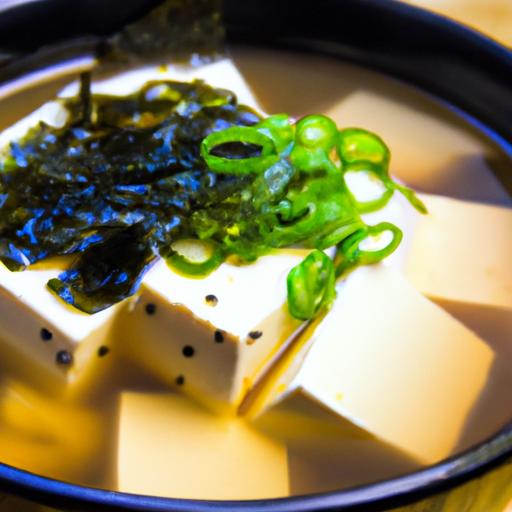

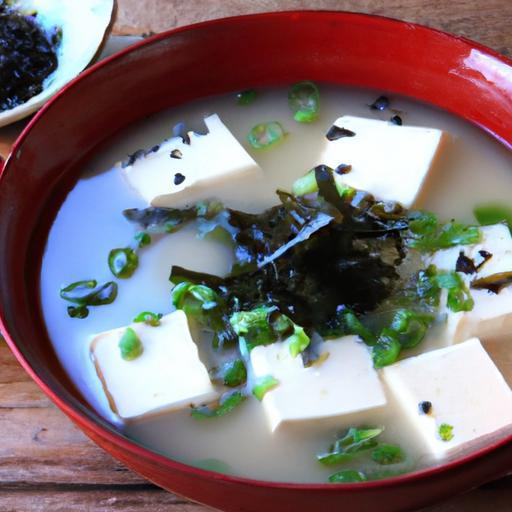
There’s something deeply comforting about a steaming bowl of miso soup, where simplicity meets nourishment in every sip. Rooted in centuries of Japanese tradition, this humble dish transforms humble ingredients-like silky tofu and briny seaweed-into a harmonious blend of flavor and health. Beyond its delicate umami, miso soup serves as a gentle embrace on chilly days and a revitalizing start to any meal. In this article, we’ll dive into the art of crafting nourishing miso soup, exploring how tofu and seaweed come together to create a bowlful of warmth, wellness, and timeless comfort.
Ingredients That Elevate miso Soup to a Nutritional Powerhouse
Nourishing Miso Soup is more than a simple Japanese staple-it’s a party of umami,texture,and vibrant nutrients that can transform a humble bowl into a revitalizing ritual. Rooted in centuries of tradition, this cozy dish embodies balance and wellness, combining the earthy depth of fermented miso paste with the silky softness of tofu and the briny crunch of seaweed. The interplay of these ingredients creates a symphony of flavors and health benefits, making each spoonful a comforting embrace on chilly days or a refreshing boost anytime.
Prep and Cook Time
- Preparation Time: 10 minutes
- Cook Time: 15 minutes
yield
Serves 4 generous bowls
Difficulty Level
Easy – perfect for beginners and seasoned cooks alike
Ingredients
- 4 cups low-sodium vegetable broth
- 3 tbsp white or yellow miso paste, preferably organic
- 1 cup soft silken tofu, cubed
- 1/3 cup dried wakame seaweed, rehydrated and drained
- 2 green onions, thinly sliced
- 1/2 cup baby spinach or seasonal greens, washed
- 1 tbsp fresh ginger, grated
- 1 clove garlic, minced (optional)
- 1 tbsp toasted sesame oil
- Optional protein boosters: cooked edamame, shredded cooked chicken breast, or poached egg
- Freshly ground black pepper and toasted sesame seeds for garnish
Instructions
- Prepare the broth: In a medium saucepan, bring the vegetable broth to a gentle simmer over medium heat.Add the grated ginger and minced garlic if using. Let the flavors infuse for 5 minutes, stirring occasionally.
- Rehydrate wakame seaweed: Place dried wakame in a small bowl with cold water. Let soak for about 5 minutes until soft and expanded,than drain thoroughly. Chop into bite-sized pieces if necessary.
- Add tofu and seaweed: Gently add the cubed silken tofu and softened wakame to the simmering broth. Stir carefully to avoid breaking the tofu.
- incorporate miso paste: Remove about ½ cup of the hot broth and place in a small bowl. Whisk in the miso paste until smooth. This tempering step prevents clumps and preserves delicate enzymes. return the miso mixture to the pot, stirring gently. Do not boil after adding miso to keep its nutrients intact.
- Finish with greens and aromatics: Stir in the baby spinach or your chosen seasonal greens and sliced green onions.Let wilt for 2 minutes off heat.Drizzle with toasted sesame oil for a fragrant finish.
- Season and personalize: Taste your soup and adjust seasoning with freshly ground black pepper or a pinch of sea salt if needed. Add optional protein boosters like edamame or a poached egg to make this bowl even more nourishing and satisfying.
- Serve warm: Ladle soup into bowls and garnish with toasted sesame seeds and extra green onions. Enjoy immediately for the perfect balance of comforting warmth and vibrant nutrition.
Chef’s Notes: Tips for a Rich and Flavorful Miso Broth
- Choose your miso wisely: White miso offers a mild, sweet flavor while red miso is earthier and stronger. Start with white for a lighter broth, or mix the two for complexity.
- Don’t boil after adding miso paste, as high heat kills the beneficial probiotics. Gently heat the soup and add miso off the flame.
- Silken tofu adds silkiness, while firm tofu offers more bite. combining these textures can elevate the soup’s mouthfeel brilliantly.
- wakame is classic, but experimenting with other seaweeds like kombu or arame can deepen the oceanic notes.
- Include fresh seasonal greens such as baby kale or Swiss chard for variety and added nutrients that harmonize with the delicate broth.
- Make ahead tip: Prepare the broth base and keep refrigerated. Rehydrate seaweed and chop tofu just before serving to maintain freshness.
Serving Suggestions
Present your bowl in minimalist Japanese-style ceramics to emphasize simplicity and calm. pair the soup with lightly steamed jasmine rice or a side of pickled vegetables to round out the meal. Garnish with a sprinkle of toasted black sesame seeds or a thin sliver of fresh chili for subtle depth. Add a small wedge of lemon or yuzu zest on the side-its brightness adds a lift that feels playful and elegant.

| Nutrient | Per Serving |
|---|---|
| Calories | 140 |
| Protein | 10g |
| Carbohydrates | 8g |
| Fat | 6g |
For more nourishing plant-based recipes and kitchen inspiration, explore our complete plant-based soups collection. To dive deeper into the science and health benefits of miso, visit the Healthline guide to miso.
Q&A
Q&A: Nourishing Miso Soup – Tofu & Seaweed Comfort in a Bowl
Q1: What makes miso soup such a comforting dish?
A1: Miso soup warms the soul with its umami-rich broth, offering a gentle balance of salty and savory flavors. The silky tofu and tender seaweed create a soothing texture combo, making each spoonful feel like a cozy hug in a bowl. It’s simplicity at its most nurturing.
Q2: Why include tofu and seaweed in miso soup?
A2: Tofu adds a creamy, protein-packed element that absorbs the broth’s flavors beautifully, while seaweed brings a subtle briny note and a wealth of minerals like iodine and calcium.Together, they transform the soup into a nutrient-dense, satisfying experience that’s both light and wholesome.
Q3: What types of miso are best for this soup?
A3: White miso (shiro) offers a mild, slightly sweet flavor perfect for a gentle start, while yellow miso (shinshu) provides a richer, earthier dimension. Red miso (aka), being robust and deeply savory, adds intensity for those craving a heartier broth. Choose based on your flavor preference to tailor your bowl of comfort.Q4: How do you prepare miso soup without losing its nutrients?
A4: The key is gentle heat-add the miso paste at the very end of cooking and avoid boiling once it’s mixed in. This preserves the delicate probiotics and antioxidants in miso. Similarly, seaweed softens quickly, so add it last to maintain its texture and nutritional punch.
Q5: Can you customize miso soup while keeping it nourishing?
A5: Absolutely! Beyond tofu and seaweed, consider scallions for a fresh bite, thin slices of shiitake mushrooms for earthiness, or a handful of baby spinach for vibrant greens. Each addition layers flavor and vitamins without overpowering the soup’s simple, soothing essence.Q6: What health benefits does a bowl of miso soup offer?
A6: Miso soup is a powerhouse of probiotics supporting gut health, plant protein from tofu, and essential minerals from seaweed. It’s low in calories yet incredibly satisfying, helping to regulate digestion and maintain energy, all while delivering comfort and warmth.
Q7: Is miso soup suitable for vegetarian or vegan diets?
A7: Yes! When made with vegetable-based dashi (like kombu and shiitake broth), miso soup fits perfectly into vegetarian and vegan lifestyles. The tofu and seaweed components enhance protein and mineral content, making it a nourishing, compassionate choice.
Q8: How do conventional Japanese customs celebrate miso soup?
A8: Miso soup is a daily staple in Japanese meals, valued not just for taste but for its balance and harmony with rice and other dishes. It symbolizes home-cooked comfort, often served as part of breakfasts, lunches, and dinners, anchoring the day with warmth and nutrition.
Q9: Can miso soup be enjoyed year-round?
A9: Definitely! Its light but hearty qualities make it refreshing on cooler days and gentle enough for warmer seasons. Whether you need a pick-me-up or a soothing nightcap, a bowl of miso soup effortlessly adapts to every mood and moment.Q10: What’s the best way to serve miso soup for maximum enjoyment?
A10: Serve hot in a small bowl,ideally alongside steamed rice and pickled vegetables. Sip slowly to savor the layered umami flavors and appreciate the subtle textures of tofu and seaweed. This mindful approach honors the soup’s simplicity and rich tradition.
Concluding Remarks
As the steam rises gently from your bowl of nourishing miso soup, you’re not just savoring a simple dish-you’re embracing centuries of tradition, healthful ingredients, and heartfelt comfort. With tender tofu and mineral-rich seaweed harmonizing in every sip,this humble bowl becomes a gateway to wellness and warmth. Whether enjoyed as a quiet morning ritual or a soothing evening treat, miso soup invites you to slow down, nourish your body, and celebrate the beauty of simplicity. So next time you crave a taste of comfort, remember: sometimes, true nourishment lies in the quiet depths of a humble bowl.