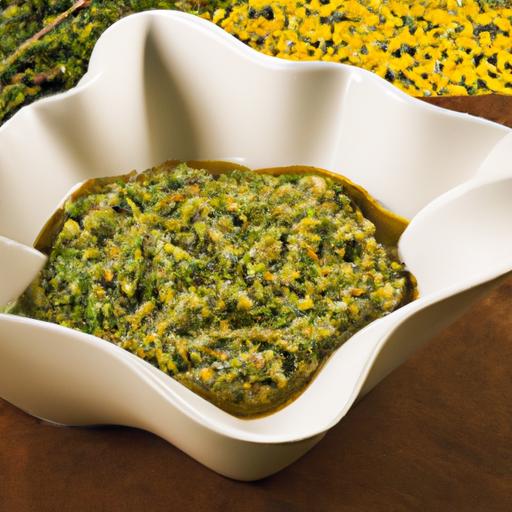


In the vibrant world of culinary delights, few sauces capture the essence of fresh, bold flavor quite like chimichurri. Hailing from the sun-soaked plains of Argentina, this emerald-hued sauce is a celebration of herbs, garlic, adn vinegar that effortlessly transforms any dish into a savory masterpiece. Whether drizzled over grilled meats, spooned onto roasted vegetables, or used as a zesty marinade, mastering the best easy chimichurri sauce is your gateway to a symphony of bright, tangy, and herbaceous notes that dance on the palate. This flavor guide will unravel the secrets to crafting the perfect chimichurri-simple, rapid, and bursting with authentic taste-so you can elevate your meals with a touch of South American magic.
Mastering the Best Easy Chimichurri Sauce: A Flavor Guide
Mastering the best easy chimichurri sauce starts with selecting the freshest herbs and balancing vibrant spices that bring each bite to life. This iconic Argentine condiment has traveled far beyond its South American roots, captivating kitchens worldwide with its zesty punch and herbaceous charm. Whether draped over grilled vegetables, seafood, or tender chicken, chimichurri adds an unforgettable brightness that awakens the senses and elevates everyday meals to extraordinary heights.
Prep and Cook Time
- Preparation: 10 minutes
- Rest time: 15 minutes (for best flavor meld)
- Total Time: 25 minutes
Yield
Approximately 1 cup (serves 4-6 as a condiment)
Difficulty Level
Easy – No cooking involved, effortless assembly, perfect for beginners and pros alike.
Ingredients
- 1 cup fresh flat-leaf parsley, finely chopped
- 1/2 cup fresh cilantro, finely chopped (optional but adds brightness)
- 4 cloves garlic, minced
- 2 tablespoons fresh oregano leaves, finely chopped (or 2 tsp dried)
- 1/2 cup extra virgin olive oil
- 2 tablespoons red wine vinegar
- 1 teaspoon crushed red pepper flakes
- 1/2 teaspoon smoked paprika
- 1/2 teaspoon sea salt (adjust to taste)
- Freshly cracked black pepper (about 1/4 teaspoon)
- Juice of half a lemon (optional, for extra zest)
Instructions
- Prepare the herbs: rinse parsley and cilantro under cold water, shake off excess moisture, and finely chop. Dry herbs are key to preventing a watery sauce.
- Combine aromatics: In a medium bowl, mix the minced garlic, fresh oregano, crushed red pepper flakes, and smoked paprika. Stir until evenly distributed.
- Add the herbs: Incorporate the chopped parsley and cilantro into the aromatic mixture, folding gently to maintain the fresh texture.
- Mix liquids: Slowly whisk in the extra virgin olive oil and red wine vinegar until the sauce emulsifies into a vibrant,luscious consistency.
- Season: Add sea salt, freshly cracked black pepper, and if desired, a squeeze of lemon juice for added brightness. Taste and adjust seasoning accordingly.
- Let it rest: Cover the bowl with plastic wrap or transfer to an airtight container. Refrigerate for at least 15 minutes to allow flavors to meld and intensify.
- Final stir: Before serving, give the chimichurri a gentle stir, tasting once more to adjust seasoning if necessary. If too thick, add a splash of olive oil to loosen the texture.
Tips for Success
- Herb balance: The cornerstone of mastering the best easy chimichurri sauce lies in using fresh, vibrant herbs. Flat-leaf parsley is foundational for color and earthiness,while cilantro lends a citrus-like brightness. If cilantro isn’t your favorite, simply increase parsley or add fresh mint for a unique twist.
- Garlic intensity: For a smoother garlic flavor, try gently crushing the cloves before mincing or infusing the olive oil with garlic first.
- Spice level: Crushed red pepper flakes and smoked paprika provide warmth and depth without overpowering. Adjust to taste for a mild or bold profile.
- Make ahead: This sauce actually improves after sitting overnight in the refrigerator. Bring it to room temperature before serving.
- Oil quality matters: Use good-quality extra virgin olive oil for a silky mouthfeel and fresh taste.
Creative serving Suggestions to Elevate Your Meals with Chimichurri
Beyond the classic grilled steak pairing, chimichurri sauce is stunning versatility forged through centuries of tradition. Try slathering it over roasted cauliflower steaks or zesting up a bowl of sautéed shrimp with garlic and chili. It’s an unexpected, fresh topper for grain bowls, lending brightness to quinoa or farro salads. Drizzle over hearty roasted root vegetables,or use as a vibrant marinade for chicken breasts before grilling.For an eye-catching garnish, sprinkle with sliced radishes, microgreens, or a pinch of smoked paprika to enhance visual appeal and flavor depth.
Pair chimichurri sauce with a wedge of lime or lemon on the side to encourage diners to add a final acidic kiss and brighten the palate. Adding toasted nuts, like pine nuts or slivered almonds, can provide an unexpected textural contrast. For a mediterranean twist, serve alongside grilled halloumi or drizzle over warm pita bread and hummus.
| Nutrient | Per 2 tbsp Serving |
|---|---|
| Calories | 85 |
| protein | 1g |
| Carbohydrates | 2g |
| Fat | 9g |
For inspired recipes featuring bold herb sauces, visit our guide on how to make vibrant herb pesto. To learn more about the rich history of chimichurri and Argentine cuisine, explore this Britannica article on chimichurri.

Q&A
Q&A: Mastering the Best Easy Chimichurri sauce – A Flavor Guide
Q1: What exactly is chimichurri sauce?
A1: Chimichurri is a vibrant, herbaceous sauce originating from Argentina, traditionally made with fresh parsley, garlic, olive oil, vinegar, and a hint of spice. It’s a versatile condiment known for its bright, zesty flavor that can elevate grilled vegetables, chicken, seafood, and more.Q2: Why is chimichurri considered an easy sauce to make?
A2: Chimichurri requires no cooking-just fresh, simple ingredients combined in a blender or chopped by hand. Its straightforward assembly makes it quick to prepare while packing a punch of flavor without complicated techniques or long marinating times.Q3: What are the essential ingredients for an authentic chimichurri sauce?
A3: The foundation of chimichurri includes fresh parsley, garlic, olive oil, red wine vinegar (or another tangy vinegar), red pepper flakes, salt, and black pepper. These create a balanced medley of herbaceous, acidic, and spicy notes that define the sauce.Q4: Can I customize chimichurri to suit different tastes?
A4: Absolutely! While parsley is king, you can add cilantro for a brighter twist or omit spicy peppers if you prefer a milder flavor. some variations include oregano or lemon juice for extra tang, making the sauce wonderfully adaptable.Q5: How do the flavors of chimichurri develop after it’s made?
A5: Chimichurri gets better with time as ingredients meld. Letting it rest for at least 30 minutes-or ideally a few hours-allows the garlic and herbs to infuse the oil and vinegar fully, resulting in a more harmonious and robust flavor.
Q6: What are some creative ways to use chimichurri beyond the classic pairings?
A6: Beyond grilled dishes, try chimichurri as a vibrant dressing for roasted veggies, a dip for crusty bread, or a finishing drizzle over roasted potatoes and grains. It also shines as a fresh topping on scrambled eggs or mixed into grain bowls for a flavor boost.
Q7: how should I store chimichurri to keep it fresh?
A7: Store chimichurri in an airtight container in the refrigerator for up to a week. Before serving, stir it well and bring it to room temperature to revive its full, lively taste.
Q8: Can I make chimichurri ahead of time?
A8: Yes! Preparing chimichurri a day in advance is even better because it allows the flavors to blend entirely.Just give it a quick stir before serving to redistribute any separated oils.
Q9: What’s the best way to achieve the perfect texture?
A9: For customary texture, finely chop the herbs and garlic by hand. If you prefer convenience and a smoother consistency, pulse the ingredients briefly in a food processor or blender-just don’t over-puree, as chimichurri should retain some texture to distinguish its freshness.Q10: How can I balance acidity and heat in my chimichurri?
A10: Start by adding vinegar and red pepper flakes gradually, tasting as you go. If it’s too tangy, a touch more olive oil can mellow it out. If the heat is too strong, balance with extra parsley or a pinch of sugar to soothe the spice without dulling the bright flavors.
In Conclusion
From vibrant herbs to zesty vinegar, mastering the best easy chimichurri sauce is your passport to elevating any dish with a burst of bold, fresh flavor. Whether you’re drizzling it over grilled steak, roasted veggies, or even crusty bread, this versatile sauce brings a bright, aromatic punch that transforms everyday meals into culinary celebrations. Armed with this flavor guide, you’re now ready to experiment, adjust, and perfect your own signature chimichurri-because great taste is all about balance, freshness, and a touch of your personal flair. So go ahead, blend, taste, and savor; your next unforgettable meal awaits just a spoonful of chimichurri away.