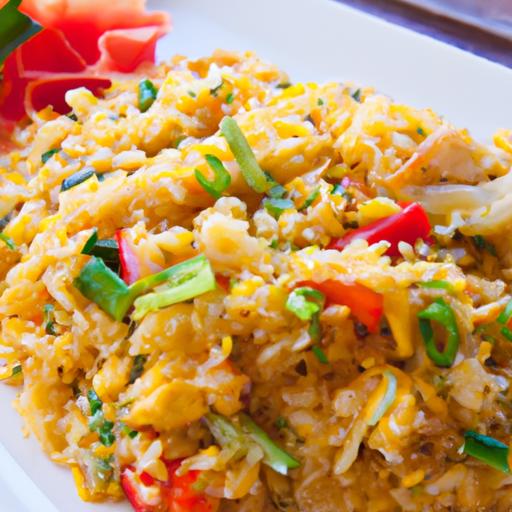

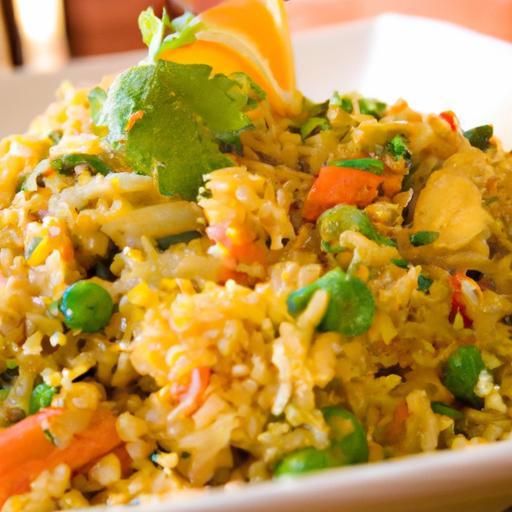
There’s a certain magic in a well-crafted plate of fried rice-a harmonious blend of textures, colors, and flavors that transforms humble leftovers into a culinary masterpiece. Mastering the art of perfectly flavored fried rice is not just about following a recipe; it’s about understanding the delicate balance of seasoning, the ideal rice texture, and the smart choice of ingredients that bring every bite to life. Whether you’re a seasoned home cook or a kitchen novice, this guide will unlock the secrets behind creating fried rice that sings with flavor, elevating a simple dish into an unforgettable experience. Let’s embark on this savory journey and discover how to turn everyday rice into a dazzling star on your dining table.
Mastering the art of perfectly flavored fried rice begins with understanding the key components that transform a simple dish into a vibrant feast. This beloved comfort food, with roots tracing back to various Asian cuisines, owes its irresistible appeal to the delicate balance between rice texture, ingredient quality, and harmonious seasoning.Whether you’re recreating a nostalgic family favourite or crafting a new signature version, selecting the right rice and ingredients is your first step toward culinary excellence.
Prep and Cook time
- Readiness: 15 minutes
- Cooking: 15 minutes
- Total Time: 30 minutes
Yield
Serves 4 generous portions
Difficulty Level
Medium – Perfect for those familiar with basic stir-frying and seasoning techniques
Ingredients
- 3 cups cooked jasmine rice (preferably day-old and chilled for optimal texture)
- 2 large eggs, lightly beaten
- 1 cup mixed vegetables (carrots diced finely, peas, and corn kernels)
- 3 tablespoons vegetable oil, divided
- 4 green onions, sliced thinly including the white parts
- 3 cloves garlic, minced
- 1 tablespoon fresh ginger, grated
- 3 tablespoons low-sodium soy sauce
- 1 tablespoon oyster sauce (or mushroom sauce for a vegetarian twist)
- 1 teaspoon toasted sesame oil
- ½ teaspoon white pepper
- optional proteins: diced chicken breast, shrimp, or firm tofu, pre-cooked
Instructions
- Prepare your rice: Ensure the cooked jasmine rice is cold and separated. If freshly cooked, spread it out on a baking sheet to cool quickly and prevent clumping. This method is essential for fluffy,individual grains rather than mushy clumps.
- Heat 1 tablespoon of vegetable oil in a large wok or non-stick skillet over medium-high heat. Pour in the beaten eggs, swirling to create a thin omelet. When set, transfer to a plate and slice into bite-size strips.
- Add another tablespoon of oil to the pan. Toss in garlic and ginger, stirring until fragrant, about 30 seconds.
- Sauté your chosen protein if using, stirring constantly until cooked through. Remove and set aside.
- Increase heat to high. Add the final tablespoon of oil and then the cold rice. Stir-fry vigorously, breaking up any remaining clumps. Cook for 3-4 minutes until the rice is evenly coated, hot, and slightly toasted.
- Incorporate mixed vegetables and green onions, stir-frying for another 2 minutes. The veggies should soften but retain a slight crunch to add textural contrast.
- Return eggs and cooked protein to the pan. Stir to combine thoroughly.
- Season with soy sauce, oyster sauce, sesame oil, and white pepper. Toss well, allowing the sauces to evenly coat every grain and bite.
- Remove from heat and taste. Adjust seasoning if necessary, adding a splash more soy sauce or a pinch of salt, but be cautious-taste builds hear.
- Serve instantly, garnished with fresh green onion tops and, if desired, a sprinkle of toasted sesame seeds or finely chopped cilantro for brightness.
Chef’s Notes
- Choosing the rice: Opt for jasmine or other long-grain varieties; their natural fragrance and firm texture excel in fried rice recipes. Avoid short-grain or freshly cooked rice for this dish to prevent sogginess.
- Day-old rice is your secret weapon. Refrigeration dries out the grains slightly, making them perfect for frying.
- Customize freely: Swap vegetables based on season or preference-bell peppers, snap peas, or mushrooms offer exciting variations. Proteins like shrimp or tofu add delightful texture and nutrition.
- Sauce balance matters. Oyster sauce lends richness; use mushroom-based alternatives for vegetarian versions without sacrificing umami.
- For extra depth, incorporate a splash of fish sauce or a pinch of chili flakes-but always add sparingly and taste as you go.
- Make-ahead tip: Assemble all ingredients in advance (mise en place) for quick cooking and consistent flavor.
Serving Suggestions
Present fried rice steaming hot on a large platter or in individual bowls. Garnish with freshly chopped green onions, a handful of toasted sesame seeds, and thinly sliced red chili for a pop of color and subtle heat. Pair alongside crisp cucumber ribbons or a tangy Asian slaw to balance richness.For an remarkable touch, serve with a side of tangy pickled vegetables or a light miso soup.
| Nutrition | Per Serving |
|---|---|
| Calories | 350 kcal |
| Protein | 15 g |
| Carbohydrates | 45 g |
| Fat | 10 g |
Discover more fried rice mastery | For in-depth seasoning science, visit Serious Eats.

Q&A
Q&A: Mastering the Art of Perfectly Flavored Fried Rice Recipes
Q1: what’s the secret to getting fried rice that’s flavorful yet not soggy?
A: The key lies in using day-old, chilled rice. Freshly cooked rice tends to be too moist and clumps together, making it a challenge to achieve that ideal, fluffy texture. Storing rice overnight in the refrigerator dries out the grains just enough, so each grain remains distinct when stir-fried.Q2: How importent is the choice of oil for fried rice?
A: Very important! Opt for oils with a high smoke point such as vegetable, canola, or peanut oil. These oils handle the high heat of stir-frying without burning and impart a subtle nuttiness that enhances the overall flavor.Avoid olive oil, which has a lower smoke point and a stronger taste that can overpower the dish.
Q3: Can I rely solely on soy sauce for seasoning?
A: Soy sauce is a classic, but mastering flavor depth means layering your seasonings. Add a splash of toasted sesame oil for richness,a pinch of white pepper for subtle heat,and a bit of garlic or ginger for aromatic brightness. Together, these create a complex, mouthwatering profile.
Q4: what vegetables work best in fried rice?
A: Go for a colorful variety: crisp peas, diced carrots, corn kernels, and chopped scallions add texture and sweetness. Bell peppers, corn, and cabbage also bring great character. Remember to cut vegetables uniformly so they cook evenly and keep some crunch.
Q5: How can I incorporate protein without overpowering the rice?
A: Lightly cooked tofu, scrambled eggs, or seafood like shrimp and scallops integrate beautifully. Cook proteins separately to avoid overcooking, then fold them in at the end for a perfect balance between fluffy rice and savory bites.
Q6: What’s a pro tip for stir-frying fried rice like a chef?
A: Keep your pan or wok hot and don’t overcrowd. High heat is essential to quickly sear ingredients, locking in flavor and texture. Stir constantly and fry in small batches if necessary-this lets every grain meet that perfect balance of heat and seasoning.
Q7: can I customize the flavor to different cuisines?
A: Absolutely! For an aromatic twist, add curry powder or turmeric. For heat, a dash of chili paste or fresh sliced chilies. Want an herby note? Toss in chopped cilantro or Thai basil at the end. Fried rice is a canvas-get creative while honoring the fundamentals.
Q8: How do eggs contribute to the texture and flavor?
A: Eggs add silkiness and a subtle richness that binds the grains together without making them sticky. Scramble them gently and fold them into the rice just before serving. Their mild flavor complements the umami of soy and the crunch of fresh veggies.
Q9: Is there a way to make fried rice healthier without losing flavor?
A: Yes! Use brown rice or mixed grains for added fiber and nutrients. Increase the veggie ratio and reduce oil slightly. Incorporate aromatics like garlic,ginger,and scallion to punch up flavor so you don’t have to rely on excess salt or fat.
Q10: What’s a common beginner mistake to avoid?
A: Overloading the pan and stirring too little. Crowd the wok, and your rice steams instead of fries, losing that vital fluffy texture and slight caramelization. Stir frequently and keep ingredients moving for the quintessential “wok hei” – that smoky, charred essence every great fried rice boasts.
Master the dance of heat, timing, and seasoning, and you’ll elevate your fried rice from simple side dish to a sensational star of any meal!
In Conclusion
As you embark on your journey to master the art of perfectly flavored fried rice, remember that every grain holds the potential to tell a story-of sizzling woks, vibrant ingredients, and the harmony of spices dancing in unison. Whether you favor the smoky embrace of wok hei or the subtle whispers of fresh herbs, the key lies in balance, technique, and a dash of culinary curiosity. with these recipes and tips in hand, your kitchen becomes a stage where simple rice transforms into a masterpiece of flavor and texture. So go ahead-stir, season, taste, and perfect your signature fried rice, turning humble ingredients into a dish that’s nothing short of remarkable.