
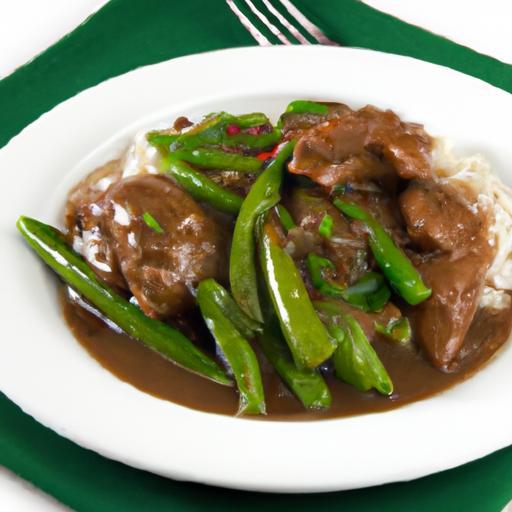
In a world where wellness trends come and go, the lasting appeal of low carb and gluten-free lifestyles speaks volumes about their powerful benefits. Choosing to reduce carbohydrates while eliminating gluten isn’t just a fleeting fad-it’s a thoughtful, smart approach to nourishing the body and fueling vibrant health. Whether you’re aiming to boost energy, manage weight, or simply feel your best, embracing these mindful eating habits can unlock a new level of vitality. Join us as we explore how low carb and gluten-free choices intertwine to support enduring, healthy living-empowering you to make food decisions that truly transform your well-being.
Understanding the Benefits of Low Carb and Gluten Free Lifestyles
Low Carb & Gluten Free: Smart Choices for Healthy Living unlocks not just a diet,but a transformational approach to nourishing your body with intention and vitality. Embracing this lifestyle means you’re prioritizing whole, nutrient-dense foods that support energy levels, digestive wellness, and mental clarity. By reducing refined carbs and eliminating gluten, many find relief from inflammation, improved digestion, and balanced blood sugar levels - a holistic win beyond just weight management.
Navigating Common Ingredients and Smart Substitutions
Adopting a low carb gluten free regimen can feel daunting initially because many customary staples rely on wheat or high-carb ingredients. Though, the array of smart substitutions available today allows for vibrant, satisfying meals without compromise. Almond flour and coconut flour offer protein-packed, low-carb alternatives to all-purpose flour, lending a subtle nutty flavor and moist texture to baked goods. For thickening sauces or soups, arrowroot powder or ground flaxseed can replace wheat-based thickeners effortlessly.
Exploring natural sweeteners like monk fruit or erythritol keeps desserts delectable yet blood sugar-kind, while spiralized vegetables and shirataki noodles provide creative, carb-conscious pasta alternatives. Keep a stocked pantry of ingredients such as chia seeds, psyllium husk, and tapioca starch to experiment freely, ensuring every meal is both gluten free and bursting with flavor.
Meal Planning Tips for Balanced and Flavorful low carb Gluten free Eating
Planning is key to success in any lifestyle shift, especially one as dynamic as low carb & gluten free living.Aim for colorful plates rich in fresh vegetables, quality proteins, and healthy fats. Use batch cooking techniques like roasting seasonal vegetables or prepping grilled chicken breasts in bulk for fast assembly during busy days.
Incorporate varied textures-think crisp kale salads alongside creamy avocado mash-to maintain interest and satisfaction. Include nuts, seeds, and fermented foods such as kimchi or sauerkraut to enhance gut health and boost flavor complexity. Don’t shy away from herbs and spices; turmeric, rosemary, and garlic can elevate dishes while adding valuable antioxidants.
Incorporating Superfoods to Boost Nutrition and Support Wellness
Superfoods are potent allies in this lifestyle, enhancing both the nutritional profile and taste of your meals. Consider adding spirulina powder to smoothies for a vibrant green boost of protein and minerals or mixing hemp seeds into salads to add omega-3 fatty acids and a delightful crunch. Turmeric, revered for it’s anti-inflammatory benefits, pairs beautifully with black pepper, which enhances absorption-try this combination in warm bone broth or vegetable stews.
Other wholesome additions like maca root powder or cacao nibs can be sprinkled into desserts or breakfast bowls, ensuring your low carb gluten free journey is as nourishing as it is flavorful. By thoughtfully incorporating these nutritional powerhouses, you’re building meals that energize and heal.
Prep and Cook Time
- Preparation: 15 minutes
- Cooking: Varies by recipe (generally 20-40 minutes)
Yield
Serves 4-6, perfect for meal prep or family dinners.
Difficulty Level
Easy to Medium – Suitable for culinary enthusiasts and beginners eager to explore flavorful low carb gluten free cooking.
Ingredients
- 1 cup almond flour, finely ground
- ½ cup coconut flour
- 3 large free-range eggs
- ½ cup unsweetened almond milk
- 2 tbsp chia seeds, soaked in 6 tbsp water (gel form)
- 1 tsp baking powder (gluten free)
- 1 tsp ground turmeric
- Pinch of sea salt and freshly cracked black pepper
- 2 tbsp extra virgin olive oil or avocado oil
- 1 cup chopped fresh spinach or kale
- ½ cup diced root vegetables (e.g., carrots or parsnips)
- Optional: 1 tbsp hemp seeds for garnish
Instructions
- Preheat your oven to 350°F (175°C). Lightly grease a baking dish or line with parchment paper.
- In a large bowl, combine almond flour, coconut flour, baking powder, turmeric, salt, and pepper. Whisk well to evenly distribute the spices and activating agents.
- In a separate bowl, beat the eggs then mix in almond milk, chia seed gel (soaked chia seeds), and olive oil until smooth.
- Pour the wet ingredients into the dry mix, folding gently with a spatula until fully combined. The batter will be thick but pliable.
- Fold in the chopped spinach and diced root vegetables, ensuring even distribution. These add a burst of color, nutrition, and texture.
- Transfer the mixture into your prepared baking dish, smoothing the top with a spatula.
- Bake for 30-35 minutes or until golden brown and a toothpick inserted in the center comes out clean. For a lovely crust, broil for an additional 2 minutes at the end.
- Allow to cool for 10 minutes before slicing to let the flavors meld and consistency set perfectly.
Chef’s Notes
- Variations: Swap root vegetables for roasted zucchini or red bell peppers for lighter texture and sweetness.
- Substitutions: Use flaxseed gel instead of chia seed gel for a nuttier flavor and similar binding.
- Make-Ahead tips: This dish keeps well refrigerated for up to 3 days and freezes beautifully-perfect for batch meal prep.
- Texture Tip: If the batter feels too dry, add an extra tablespoon of almond milk; if too wet, sprinkle in a teaspoon of coconut flour.
- Cooking Tip: Cover loosely with foil if the top browns too quickly to prevent dryness.
Serving Suggestions
Serve warm slices drizzled with a lemon-tahini dressing or alongside a zesty avocado salsa for fresh contrast. Garnish with a sprinkle of hemp seeds and freshly chopped herbs like parsley or cilantro for a pop of green.This dish pairs beautifully with a crisp fermented side, like kimchi or sauerkraut, adding beneficial probiotics and tangy brightness.

| Nutrient | Per Serving |
|---|---|
| Calories | 220 kcal |
| Protein | 12 g |
| Carbohydrates | 8 g |
| Fat | 16 g |
For more in-depth low carb & gluten free recipe inspiration, check out our low Carb & Gluten free Breakfast Ideas. To understand how these ingredients impact gut health, explore detailed scientific insights at the National Center for Complementary and Integrative Health.
Q&A
Q&A: Low Carb & Gluten Free – Smart Choices for Healthy Living
Q1: What exactly does a low carb, gluten free diet involve?
A1: A low carb, gluten free diet centers around minimizing carbohydrate intake while fully avoiding gluten-a protein found in wheat, barley, and rye. This means prioritizing nutrient-dense vegetables, lean proteins, nuts, seeds, and gluten free grains like quinoa or millet. The goal is to stabilize blood sugar, reduce inflammation, and support digestive health.
Q2: Why combine low carb and gluten free? Aren’t they separate approaches?
A2: They’re frequently enough discussed separately, but combining low carb and gluten free can amplify health benefits. Going gluten free eliminates potential gut irritants and allergens, while reducing carbs helps manage weight and blood sugar. Together, they create a powerful foundation for improved energy, clearer skin, and reduced bloating.
Q3: What are some creative, low carb & gluten free foods to enjoy?
A3: Think beyond lettuce wraps and grilled chicken! Try spiralized zucchini noodles tossed with pesto, roasted cauliflower “rice” bowls topped with avocado and grilled shrimp, or almond flour pancakes drizzled with fresh berry compote. Incorporate diverse veggies like spaghetti squash or radishes and swap traditional flours for coconut or almond flour to keep meals exciting.
Q4: Are gluten free grains always low carb?
A4: Not necessarily.While gluten free grains like quinoa, brown rice, or millet are free from gluten, some contain moderate to high levels of carbs. If your focus is on low carb,enjoy these grains in moderation and lean more heavily on non-starchy vegetables,nuts,and seeds to keep carb levels in check.
Q5: How can someone starting this lifestyle avoid common pitfalls?
A5: One common trap is replacing gluten with highly processed gluten free products high in sugars and starches, which can spike blood sugar and stall progress. Instead, shop the perimeter of stores, focus on whole foods, and read labels carefully. Meal prepping and experimenting with fresh herbs and spices can make healthy eating feel less like a chore and more like a culinary adventure.
Q6: Is this diet sustainable long term?
A6: Absolutely! Sustainability comes from variety and balance. When you embrace diverse recipes, seasonal produce, and listen to your body’s needs, low carb and gluten free can be a delicious, vibrant lifestyle-not a restrictive chore. Many people find improved energy and well-being encourages long-term commitment.
Q7: Can this approach benefit digestive health?
A7: Yes, many experience easier digestion and reduced bloating. Gluten can be inflammatory for some, and cutting back carbs lowers fermentable fibers that sometimes cause discomfort. Together, they create a gentler gut surroundings, which supports better nutrient absorption and comfort.
Q8: What role does protein play in a low carb, gluten free diet?
A8: Protein is a superstar here! It supports muscle repair, keeps you feeling full longer, and helps balance blood sugar. think eggs, fish, chicken, tofu, or legumes (if tolerated). Including a variety of protein sources ensures you get all essential amino acids, making meals nourishing and satisfying.
Q9: How can one make eating out or socializing easier on this diet?
A9: Plan ahead by checking menus online or calling restaurants to ask about gluten free and low carb options. Opt for grilled or roasted dishes, salads loaded with veggies and protein, and don’t hesitate to request substitutions. Bring your own snacks to social events when possible, so you’re never caught off guard.
Q10: What’s a simple starter tip for someone wanting to embrace low carb and gluten free living?
A10: Begin by decluttering your pantry: swap out high carb staples and gluten containing items with almond flour, seeds, nuts, and low carb veggies. Try one new recipe a week that embraces these principles, and slowly build a collection of favorites. Success is about small, confident steps-not overnight perfection.
Choosing low carb and gluten free can feel like unlocking a treasure chest of vibrant, healthful foods that nourish both body and mind. With creativity, curiosity, and mindful choices, this lifestyle can become your new favorite form of self-care.
Wrapping Up
Embracing a low carb and gluten-free lifestyle isn’t just a trend-it’s a mindful choice that puts your well-being at the forefront. By carefully selecting nutrient-rich foods that nourish your body without unneeded fillers, you pave the way for sustained energy, improved digestion, and a vibrant sense of health. Whether you’re navigating dietary restrictions or simply seeking smarter ways to fuel your life, this approach offers a flavorful path to balance. Remember, healthy living isn’t about perfection-it’s about progress, one thoughtful choice at a time. So,take the knowledge you’ve gained here,experiment boldly,and let your journey toward wellness be as unique and dynamic as you are.