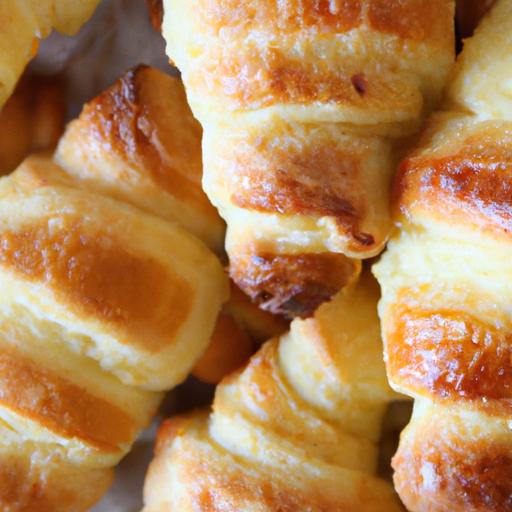

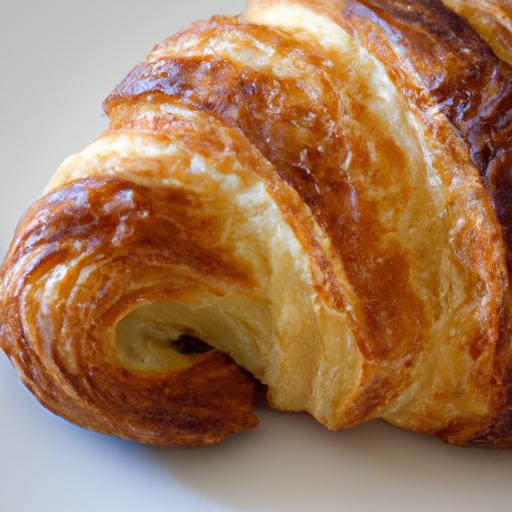
There’s a delicious secret revolutionizing breakfast tables and brunch spreads alike: flaky keto croissants. Imagine the buttery, airy layers of a classic French pastry-now reimagined without the carb overload that traditionally holds health-conscious foodies at bay.In this article, we’ll uncover the art and science behind crafting these low-carb delights, revealing how humble ingredients can transform into a golden, crisp masterpiece.Whether you’re a keto veteran or simply curious about guilt-free indulgence, prepare to discover a pastry experience that’s as satisfying as it is satisfying to your macros.
Flaky Keto Croissants are the perfect symphony of tender flakiness and rich, buttery low-carb goodness-a triumph in the realm of ketogenic baking that transforms humble ingredients into a pastry masterpiece. Originating from the classic French croissant, these low-carb adaptations embrace science and art to deliver authentic layers without the carbs.My journey crafting these has been filled with experiments that unlock the secrets behind flakiness, transforming almond and coconut flours into somthing truly unusual.
Prep and Cook Time
- Preparation: 45 minutes (plus 1 hour chilling)
- Cooking: 18-22 minutes
- Total: Approximately 1 hour 45 minutes
Yield
6 generous flaky keto croissants
Difficulty Level
Medium - requires patience and attention to layering technique
Ingredients
- 1 ½ cups almond flour, finely ground
- ½ cup coconut flour
- 2 tbsp psyllium husk powder
- 1 tbsp baking powder
- ¼ tsp fine sea salt
- 1 cup cold unsalted butter, cubed
- 3 large eggs, room temperature
- ⅓ cup cold heavy cream
- 1 tbsp apple cider vinegar
- 1 tbsp granulated erythritol or preferred keto sweetener
- Extra almond flour for dusting
- 1 egg yolk, beaten (for egg wash)
Instructions
- Combine dry ingredients: In a large bowl, whisk together almond flour, coconut flour, psyllium husk powder, baking powder, and salt until uniform. Psyllium husk is critical for elasticity, mimicking gluten’s role.
- Incorporate butter: Using a pastry cutter or your fingertips, cut the chilled butter cubes into the dry mixture until visible pea-sized flakes remain-those pockets create critical layers that lead to flakiness.
- Mingle wet ingredients: In a separate bowl, whisk eggs, heavy cream, apple cider vinegar, and sweetener. The acid here strengthens structure and balances flavor.
- Form the dough: Slowly pour the wet mixture into the dry bowl and gently fold using a spatula. The dough will be slightly crumbly but should hold together when pressed. Avoid over mixing!
- Chill and laminate: Transfer dough onto a floured parchment sheet and shape it into a rectangle about ½ inch thick. Wrap tightly and refrigerate for 45 minutes-cold dough and butter are the secret to that perfect rise.
- Roll and fold: On a floured surface, roll out dough into a 12×8 inch rectangle. Fold the dough into thirds like a letter (fold bottom third up, than top third down). Rotate 90 degrees, roll out again, and repeat the fold one more time. This lamination creates the signature layered flakiness.
- Shape croissants: Roll the dough to about ¼ inch thickness. cut the dough into six triangles. Starting at the wide end, gently roll each triangle toward the pointed tip, curving slightly to create the classic croissant shape.
- Final proof: Place croissants on a parchment-lined baking tray, cover loosely, and allow to rest at room temperature for 15 minutes.
- Egg wash and bake: brush the croissants lightly with beaten egg yolk for that golden sheen. Bake at 350°F (175°C) for 18-22 minutes or until puffed and golden brown.
- Cool and enjoy: Allow croissants to cool slightly on a wire rack before serving to preserve flakiness.
Tips for Success
- Keep ingredients cold: Cold butter and chilling between folds are essential for distinct layers. Warm butter will blend and ruin the flaky texture.
- be gentle when folding: Too much pressure crushes the layers; use a light touch during lamination.
- Substitute Smartly: Use grass-fed butter or ghee for richer flavor; avoid margarine which alters texture.
- Storage: store cooled croissants in an airtight container at room temperature for up to 2 days, or freeze wrapped for up to a month. Refresh in a toaster oven to regain crispness.
- Experiment: Add a sprinkle of cinnamon or a dash of vanilla to the dough for a flavor twist without affecting the keto profile.
serving Suggestions
Serve these flaky keto croissants warm,paired beautifully with a dollop of creamy mascarpone or herb-infused cream cheese.For an indulgent touch, add a side of fresh berries or keto-pleasant sugar-free jam. Lightly dusting with powdered erythritol enhances thier golden allure for brunch or elegant snack time.Thay also shine alongside a delicate cup of bulletproof coffee or rich matcha latte, complementing both the layers and richness flawlessly.

| Nutrient | Per croissant (approx.) |
|---|---|
| Calories | 280 kcal |
| Protein | 7 g |
| Net Carbs | 3 g |
| Fat | 25 g |
For even more low-carb baking inspirations, check out our Keto Bread Recipes. To deepen your understanding of gluten-free pastry science, this scientific resource offers an excellent overview of structure and texture in alternative flour baking.
Q&A
Q&A: Flaky Keto Croissants – Low-Carb Pastry Delight Uncovered
Q1: What makes keto croissants different from traditional croissants?
A1: Keto croissants replace high-carb wheat flour with low-carb ingredients like almond flour and coconut flour. They swap out sugar for keto-friendly sweeteners and use healthy fats like butter or coconut oil, maintaining that iconic flakiness without the carb overload. This transformation keeps the croissants deliciously flaky while fitting into a low-carb lifestyle.
Q2: How do keto croissants stay so flaky without traditional flour?
A2: The secret lies in layering cold butter (or another keto-friendly fat) between thin sheets of almond and coconut flour dough, then folding and rolling repeatedly-just like classic puff pastry. Despite the absence of gluten, this technique creates those signature airy, crisp layers.It’s a little more delicate, but with patience, the result is a light, buttery bite that flakes with every touch.
Q3: Are keto croissants suitable for beginners in low-carb baking?
A3: Absolutely! While rolling and folding dough requires a bit of practice, keto croissants are quite forgiving.Many recipes guide bakers through each step with helpful tips. Plus, the dough doesn’t require extensive chilling time. It’s a rewarding project that elevates the low-carb baking game and tastes like a decadent treat.
Q4: What are some ideal fillings or toppings for keto croissants?
A4: As the croissants are slightly savory and buttery, they pair wonderfully with cream cheese, sugar-free jam, or fresh berries. Savory options include avocado slices, smoked salmon (non-pork, of course!), or a dollop of herbed ricotta. The possibilities are endless, letting you tailor each croissant to your morning cravings or evening indulgences.
Q5: How do keto croissants fit into a balanced low-carb diet?
A5: Keto croissants provide a satisfying pastry experience without the carb crash. They’re rich in fats and moderate in protein, helping maintain ketosis and sustained energy. Enjoying these occasionally allows for variety in a low-carb lifestyle,preventing diet fatigue while keeping blood sugar stable.
Q6: Can keto croissants be made dairy-free or vegan?
A6: Yes! Butter can be replaced with coconut oil or plant-based margarine for a dairy-free version. For a vegan take, use flax or chia seed eggs in place of regular eggs and opt for vegan fats. While the texture might shift slightly, the flaky essence is still achievable with careful preparation.
Q7: What is the best way to store keto croissants?
A7: Store them in an airtight container at room temperature for up to two days to preserve crispness. For longer storage, refrigeration or freezing works well-just reheat gently in an oven to revive that flaky texture. Avoid microwaving, which can make the pastry soggy.
Q8: Are keto croissants a good snack for people managing blood sugar?
A8: Definitely. Their low-carb, high-fat profile helps minimize blood sugar spikes. They make a great option for anyone looking to enjoy a tasty treat without compromising glucose control, especially when paired with protein-rich or fiber-filled fillings.
Q9: What kitchen tools make keto croissant baking easier?
A9: A rolling pin,a sharp knife,parchment paper,and a cool workspace are essentials.A pastry scraper helps with folding and cutting dough layers precisely.For perfectionists, a digital kitchen scale ensures accurate measurements-critical in low-carb baking where balance is key.
Q10: Where did the idea of keto croissants originate?
A10: The keto croissant trend emerged from home bakers and low-carb enthusiasts craving traditional pastries without carbs. Inspired by classic French techniques, creative adaptations using almond and coconut flours blossomed.Today, keto croissants are a delicious symbol of culinary innovation in the low-carb community.
The Conclusion
In the world of low-carb living, flaky keto croissants stand tall as a delicious testament to the fact that indulgence need not be sacrificed for lifestyle choices. By unlocking the secrets to their buttery layers and tender crumb, we’ve uncovered more than just a pastry-we’ve discovered a way to enjoy timeless comfort with a modern, health-conscious twist. Whether you’re a seasoned keto enthusiast or simply curious about low-carb delights, these croissants offer a perfect marriage of tradition and innovation. So, next time you crave that golden, flaky goodness, remember: your keto journey just got a whole lot tastier.