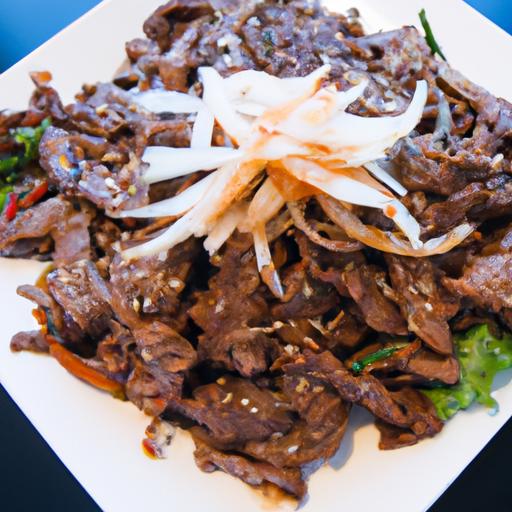

In the vibrant tapestry of Korean cuisine, few dishes embody the perfect marriage of heat and harmony quite like spicy beef bulgogi. This fiery delight is more than just a meal-its a sensory journey that ignites the palate with a dynamic blend of bold spices, sweet undertones, and tender, marinated beef. “Fiery Flavors Unveiled: The Art of Korean Spicy beef Bulgogi” delves into the rich heritage and meticulous craft behind this iconic dish, revealing how tradition, technique, and a fearless embrace of heat come together to create a culinary masterpiece that captivates food lovers around the world. Join us as we explore the story,the ingredients,and the passion that transform simple beef into an unforgettable explosion of flavor.
Fiery flavors are at the heart of Korean spicy beef bulgogi, where layers of heat, sweetness, and umami come together to create an unforgettable taste experience. Originating from Korea’s rich culinary heritage,this iconic dish transforms tender marinated beef into a sizzling masterpiece that captivates the senses. My journey with this recipe began in Seoul’s bustling street markets, where the intoxicating aroma of fire-grilled bulgogi first inspired me to capture the perfect balance of spice and tenderness in my own kitchen.
Prep and Cook Time
- Preparation: 20 minutes (plus 1 hour marinating time)
- Cooking: 10 minutes
Yield
- Serves 4 generously
Difficulty Level
- Medium – Accessible for adventurous home cooks
Ingredients
- 500g thinly sliced beef ribeye or sirloin
- 1/4 cup soy sauce (low sodium preferred)
- 2 tbsp Korean gochujang (spicy red pepper paste)
- 1 tbsp gochugaru (Korean red pepper flakes)
- 2 tbsp toasted sesame oil
- 2 tbsp brown sugar or honey
- 4 cloves garlic, finely minced
- 1 inch fresh ginger, grated
- 3 scallions, thinly sliced
- 1 small yellow onion, thinly sliced
- 1 tbsp toasted sesame seeds, for garnish
- Fresh ground black pepper to taste
- 1 tbsp rice syrup or corn syrup (optional, for added gloss)
Instructions
- Prepare the marinade: In a medium bowl, combine soy sauce, gochujang, gochugaru, sesame oil, brown sugar, garlic, ginger, and rice syrup (if using). Whisk until fully integrated, forming a glossy, richly colored paste.
- Marinate the beef: toss the thinly sliced beef with the marinade, ensuring every slice is fully coated. Add the sliced onion and half of the scallions. Cover and refrigerate for at least 1 hour (ideally 2-3 hours) to allow bold flavors and heat to penetrate deeply.
- Preheat your pan or grill: Set a cast-iron skillet or grill to medium-high heat. A lightly oiled cooking surface helps prevent sticking and encourages a beautiful sear.
- Cook the beef: Add marinated beef slices in an even layer, avoiding overcrowding. Sauté rapidly for about 3-5 minutes until edges caramelize and beef is cooked but still tender.Stir occasionally for even cooking.
- Finish with scallions and sesame seeds: Toss in the remaining scallions during the last minute of cooking. Sprinkle with toasted sesame seeds just before serving to add nuttiness and visual appeal.
- Serve instantly: Best enjoyed hot with steamed rice and crisp vegetables to balance the fiery intensity.
Chef’s Notes
- For optimum tenderness, choose well-marbled beef cuts like ribeye or sirloin, sliced paper-thin against the grain.
- Adjust heat levels by adding less gochugaru for subtle spice or more gochujang for fermented depth and tang.
- Make-ahead tip: marinated beef can be refrigerated up to 12 hours, allowing deeper flavor development.
- For a gluten-free version, substitute tamari in place of soy sauce.
- If you prefer grilling outdoors,transfer beef slices to skewers for authentic smoky notes.
Serving suggestions
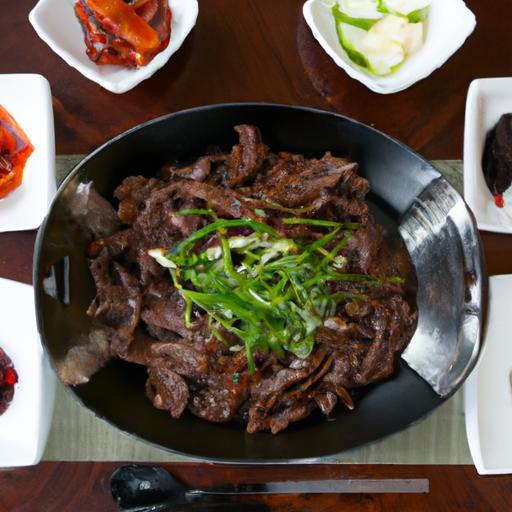
Present the bulgogi atop a bed of fluffy jasmine or short-grain rice, garnished with thinly sliced fresh cucumber and pickled radish to refresh the palate. Wrap a spoonful in crisp lettuce leaves topped with a dab of ssamjang (Korean spicy dipping sauce) for a conventional bite that combines texture,heat,and cooling contrast. A chilled barley tea or light Korean lager makes an excellent pairing, balancing the dish’s rich heat.

| Nutrient | Amount (per serving) |
|---|---|
| Calories | 320 kcal |
| Protein | 28 g |
| Carbohydrates | 12 g |
| Fat | 18 g |
For more mouthwatering Korean recipes that bring authentic fiery flavors to your kitchen, explore our Korean Recipes Collection. To deepen your understanding of Korean chili pastes like gochujang and gochugaru, visit Maangchi’s guide, a trusted culinary resource.
Q&A
Q&A: Fiery Flavors Unveiled: The Art of Korean Spicy Beef Bulgogi
Q1: What makes Korean spicy beef bulgogi distinct from the classic version?
A1: Traditional bulgogi is known for its sweet and savory marinade, but the spicy variant elevates it with bold chili flavors. The fiery element comes from ingredients like gochujang (Korean chili paste) and gochugaru (Korean chili flakes),which imbue the beef with a vibrant heat that dances beautifully with the underlying sweetness and umami.
Q2: Which cuts of beef work best for spicy bulgogi?
A2: Thinly sliced ribeye, sirloin, or brisket are ideal as these cuts absorb the marinade quickly and cook evenly over high heat. Their marbling ensures tender, juicy bites that hold up well to the bold, spicy flavors.
Q3: What are the key ingredients in the marinade that contribute to its fiery kick?
A3: The heart of the spicy bulgogi marinade features gochujang for a rich, fermented chili flavor; gochugaru for extra heat and color; garlic and ginger for pungent warmth; soy sauce for savory depth; and a touch of sugar or honey to balance the spice with a hint of sweetness. Sesame oil adds a fragrant finish, while finely chopped green onions give a fresh bite.
Q4: How critically important is marinating time when preparing spicy bulgogi?
A4: Marinating is crucial. Ideally, the beef should soak in the spicy concoction for at least 30 minutes to an hour to allow the chili paste to penetrate deeply. For maximum flavor infusion,marinating overnight in the fridge is even better – it tenderizes the meat and intensifies the fiery nuances.
Q5: Can the heat level be adjusted without compromising the authenticity of spicy bulgogi?
A5: Absolutely! you can tailor the spice factor by moderating the amount of gochujang and gochugaru. For a milder heat, reduce the chili flakes but keep the gochujang for complexity. for an extra punch, add fresh sliced chilies or a pinch of cayenne. The key is balancing the heat with the other marinade flavors to keep the dish vibrant and harmonious.
Q6: what traditional side dishes complement spicy beef bulgogi?
A6: Spicy beef bulgogi pairs wonderfully with crisp,cooling sides like kimchi,cucumber salad,or pickled radishes,which help mellow the heat. Steamed white rice is essential to soak up the savory sauce, while sesame leaf wraps (ssam) and a bowl of warm doenjang jjigae (fermented soybean stew) round out the meal with textural and flavor contrasts.
Q7: How is spicy bulgogi traditionally cooked?
A7: It’s typically grilled over a hot flame or pan-fried on a cast-iron skillet. The intense heat caramelizes the sugars in the marinade,creating a slightly charred exterior that locks in juices and develops layers of smoky,spicy flavor. The rapid cooking time preserves tenderness and ensures every bite bursts with fiery, savory goodness.Q8: Are there vegetarian alternatives that capture the essence of spicy bulgogi?
A8: While spicy bulgogi is rooted in beef, plant-based eaters can explore marinated shiitake mushrooms or thinly sliced king oyster mushrooms as a hearty substitute. When dressed in the same spicy marinade and cooked with high heat, these mushrooms develop a satisfying umami depth and a similar texture that echoes the spirit of bulgogi.Q9: What cultural significance does spicy bulgogi hold in Korean cuisine?
A9: Beyond its fiery flavor, spicy bulgogi embodies Korea’s culinary ideology of balance-melding heat, sweetness, and savoriness in every bite. It reflects the country’s love for communal dining, where bold dishes spark vibrant conversations and shared experiences around the table.
Q10: Any pro tips for home cooks attempting spicy bulgogi for the first time?
A10: Start with thin, evenly sliced beef to ensure quick, even cooking. Don’t rush the marinating process – patience builds flavor. Use high heat for grilling or pan-frying to get those beautiful caramelized edges. serve with fresh garnishes like chopped scallions and toasted sesame seeds to add texture and aroma to your fiery creation.
Key Takeaways
As the final embers of heat settle on your palate, the story of Korean spicy beef bulgogi lingers-an exquisite dance of fire and flavor that transcends mere cooking to become an art form. From its bold, sizzling marinade to the tender embrace of perfectly grilled beef, this dish embodies the vibrant spirit of Korean cuisine: passionate, dynamic, and unapologetically bold. Whether you’re a seasoned foodie or a curious first-timer, embracing the fiery nuances of bulgogi invites you into a world where tradition meets innovation, and every bite tells a story. So fire up your grill, gather your ingredients, and dive headfirst into the tantalizing heat-because mastering the art of Korean spicy beef bulgogi is not just about cooking; it’s about savoring an experience that ignites the senses and warms the soul.