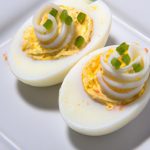


Beneath their unassuming shells, eggs hold a world of wonder-a delicate balance of biology, history, and culinary magic waiting too be cracked open. From the microscopic architecture that nurtures new life to the cultural tales spun around breakfast tables worldwide,eggs are far more than just a kitchen staple. In this article, we embark on a captivating journey through the amazing science and stories inside eggs, revealing the secrets that have captivated scientists, chefs, and storytellers alike for centuries. Prepare to see eggs in a whole new light, where biology meets tradition and every shell hides a story waiting to be uncovered.
Eggs Uncovered: The Amazing Science and Stories Inside – Perfectly Poached Egg Delight
Eggs uncovered reveal so much more than just a breakfast staple; their journey from carefully tended hens to your plate is a fascinating story of biology, nutrition, and culinary artistry.in this recipe, you’ll discover how to prepare the perfect poached egg-a simple yet elegant dish that showcases egg quality and unlocks nutritional brilliance with every tender bite.
Prep and Cook time
Prep time: 5 minutes
cook time: 4 minutes
Total time: 9 minutes
Yield
Serves 2
Difficulty Level
Easy
ingredients
- 4 fresh large eggs (preferably free-range for optimal quality)
- 2 tablespoons white vinegar
- 4 slices whole-grain bread (for toasting)
- 1 ripe avocado (optional, for serving)
- Salt and freshly ground black pepper to taste
- Fresh chives or parsley (finely chopped, for garnish)
- Butter or olive oil (for toasting bread)
Instructions
- Heat water: Fill a deep skillet or saucepan with 3-4 inches of water and bring to a gentle simmer over medium heat. Add the white vinegar, which helps the egg whites coagulate faster, ensuring a neat poached egg.
- Prepare eggs: Crack each egg into a small bowl or ramekin separately to keep them intact and ready for smooth transfer.
- Create a vortex: Using a spoon, stir the simmering water in one direction to create a gentle whirlpool.This motion aids in wrapping the egg whites around the yolk, resulting in a beautiful, compact poached egg.
- Cook eggs: Slowly slide one egg at a time into the center of the vortex.Poach each egg for about 3-4 minutes until the whites are fully set but the yolk remains soft and creamy.
- Remove and drain: Using a slotted spoon, carefully lift the eggs from the water, allowing excess water to drip off. Gently place them on a plate lined with paper towels to absorb extra moisture.
- toast bread: Meanwhile,toast the whole-grain bread slices to a golden brown.Spread lightly with butter or olive oil for added flavor.
- Assemble and season: Place two poached eggs atop each toasted bread slice. season with salt and pepper to enhance the natural richness of the eggs.
- Add garnish: Optionally, mash the ripe avocado and spread it beneath the poached eggs for a creamy complement. Finish with a sprinkle of fresh chives or parsley for vibrant color and freshness.
Tips for Success
- Use fresh eggs: Freshness is key for well-shaped poached eggs. The whites have a firmer consistency which helps them hold together better.
- vinegar choice: White vinegar is mild and doesn’t impact flavor. avoid strong-flavored vinegar that can alter the egg’s delicate taste.
- Temperature control: Maintain water at a gentle simmer (not boiling) to avoid agitating the eggs and causing them to break apart.
- Make ahead: Poached eggs can be prepared up to 2 hours in advance and kept warm in a bowl of hot water (off the heat) covered with a lid.
- Substitute bread: Try sourdough or rye for a different flavor profile that pairs beautifully with eggs.
serving Suggestions
Serve your perfectly poached eggs atop toasted bread for a wholesome breakfast or light lunch.Add a side of mixed greens tossed in lemon vinaigrette to balance the richness. Garnish with microgreens or edible flowers for a refined presentation that entices the eye and palate. Pair with freshly squeezed orange juice or a cup of herbal tea for a nourishing start to your day.

| Nutrient | Per Serving |
|---|---|
| Calories | 250 kcal |
| Protein | 14 g |
| Carbohydrates | 20 g |
| Fat | 12 g |
Understanding the science behind each egg lets you appreciate its journey and nutritional prowess as much as you enjoy its taste and texture. For deeper insights on egg quality and safety, explore our article on How to Choose the Freshest Eggs. For scientifically backed advice on handling and safety, visit the USDA Food Safety and Inspection Service.
Q&A
Q&A: Eggs Uncovered – The Amazing Science and Stories Inside
Q1: Why are eggs considered nature’s perfect packaging?
A1: Eggs are marvels of natural engineering. The delicate shell is surprisingly strong,composed mostly of calcium carbonate crystals that form a sturdy yet lightweight barrier. Inside,the egg white (albumen) acts as a cushion,protecting the yolk while providing hydration and nutrients. This ingenious design allows life to develop safely within, all compacted into a portable, edible vessel.
Q2: What makes the color of an eggshell different from one bird to another?
A2: Eggshell color varies due to pigments deposited during shell formation. For instance, hens with white feathers and earlobes typically lay white eggs, while those with red feathers often produce brown eggs. Beyond genetics, factors like diet and habitat can subtly influence hue. But no matter the color, shell tint doesn’t impact nutrition or taste-just a splash of nature’s paint!
Q3: How does the yolk stay centered inside the egg?
A3: The yolk is held in place by twisted strands of thick egg white called chalazae, which act like tiny ropes anchoring it to the shell membranes. These invisible threads keep the yolk floating in the middle,preventing it from sticking to the shell and ensuring even protection-a clever evolutionary trick to safeguard the developing embryo.
Q4: What’s happening inside an egg when it ages?
A4: As an egg sits beyond its freshness window, tiny pores in the shell allow moisture and carbon dioxide to escape, while air enters, enlarging the air cell. This causes the white to thin out, the yolk to flatten, and the egg to become more buoyant in water. These microscopic exchanges rewrite the egg’s texture and function-turning freshly laid wonder into an aging artifact of life.
Q5: Why do some eggs float in water while others sink?
A5: Fresh eggs are dense and heavy, so they sink flat on their sides. As eggs age and their air cell grows due to moisture loss, they become less dense and begin to tilt or float. Floating isn’t necessarily a sign the egg is bad, but it is a handy natural test of freshness: if it floats high and mushy inside, it’s time to say goodbye.
Q6: How did humans first start using eggs in cooking?
A6: Egg consumption dates back tens of thousands of years, when early humans gathered wild bird eggs as a convenient, nutrient-packed food source. Over time, domestication of chickens provided a regular supply. Ancient cookbooks from cultures like the Romans and Chinese reveal eggs as prized ingredients-baking, binding, thickening, and inspiring culinary creativity ever since.
Q7: Can eggs teach us anything about biology outside of food?
A7: Absolutely! Eggs are natural laboratories for studying embryology,cell differentiation,and genetics.Their clear membranes and clear structure allowed pioneering scientists to observe growth in real time, unlocking secrets of life’s earliest stages. From bird feathers to human biology, these humble orbs offer windows into nature’s grand design.
Q8: What’s the science behind egg whites transforming when whipped?
A8: when you beat egg whites,the proteins unfold and link together,trapping air bubbles and creating a foam. The addition of a bit of acid-like vinegar or lemon juice-stabilizes this network, making peaks firm and glossy. This frothy transformation is a delicate dance of chemistry and physics, turning liquid into the clouds that lighten soufflés and meringues.
Q9: Why do some recipes call for room temperature eggs?
A9: Room temperature eggs blend more easily with other ingredients because their fat molecules are less stiff, ensuring smoother emulsions and more stable batters. Also, temperature affects the way eggs whip or cook; cold eggs can slow down protein unfolding, reducing volume and texture quality, which can make or break your culinary success.
Q10: Beyond breakfast, what surprising roles do eggs play in culture and art?
A10: Eggs symbolize fertility, renewal, and transformation across civilizations-from ancient spring rites to breathtaking Fabergé masterpieces. Artists have used eggshells as delicate canvases,while traditions like egg decorating carry stories and identities through generations. This simple shape resonates deeply, reminding us of life’s fragile yet enduring potential.
Eggs truly are more than just a staple; they are capsules of science, history, and creativity-waiting to be cracked open in more ways than one.
In Retrospect
As we crack open the layers of eggs-those unassuming spheres of life and nutrition-we uncover not just a staple of kitchens worldwide, but a remarkable nexus of science, history, and culture. From the microscopic architecture of membranes and shells to the fascinating tales woven through centuries of human ingenuity and tradition, eggs remind us that even the simplest things hold extraordinary stories. So next time you hold an egg in your hand, remember: you’re grasping a marvel of nature and knowledge, waiting to inspire both your palate and your curiosity. Eggs, truly, are more than just food-they’re a gateway to understanding the mysteries and marvels of life itself.