
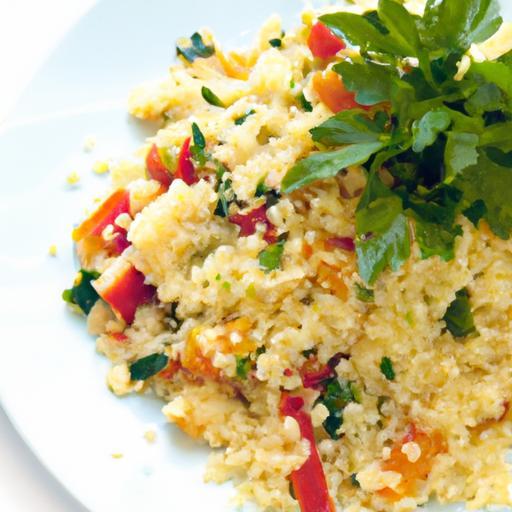
Nestled between sun-drenched coastlines and vibrant markets, Mediterranean couscous is much more than a simple staple-it’s a flavorful journey that captures the essence of an entire region in every bite. This humble grain, steamed to light, fluffy perfection, serves as a versatile canvas for an explosion of tastes: fragrant herbs, sun-ripened vegetables, zesty spices, and hearty proteins all come together to tell stories of tradition, culture, and connection. Join us as we explore the rich history, diverse ingredients, and culinary magic behind Mediterranean couscous, revealing why this dish continues to enchant palates around the world with its timeless charm and irresistible flavors.
Exploring the Origins and Cultural Significance of Mediterranean Couscous
Mediterranean couscous is more than a simple side dish; it’s a culinary emblem tracing back to the vibrant cultures of North Africa and the Mediterranean basin. This tiny, steamed semolina grain, with its delicate texture and subtle nutty flavor, tells stories of ancient Berber tribes, bustling markets, and family feasts shared under warm sunshine. each bite carries the essence of timeless hospitality and communal dining traditions that have been passed down for generations, making it a versatile and beloved cornerstone of Mediterranean cuisine.
The recipe’s simplicity belies its rich cultural tapestry. Whether enjoyed as a base for hearty tagines or brightened with fresh herbs and citrus, Mediterranean couscous connects diverse regions – Morocco, Tunisia, Algeria, and beyond - in a shared love for flavor layered with history.
Essential Ingredients that Bring Authentic Flavors to Life
- 1 cup fine couscous (preferably Moroccan-style for fluffiness)
- 1 cup boiling water or vegetable broth for enhanced flavor
- 2 tablespoons extra virgin olive oil,preferably cold-pressed
- 1 teaspoon fine sea salt
- Fresh herbs – such as chopped parsley,cilantro,or mint (about 2 tablespoons combined)
- 1/2 teaspoon ground cumin (optional,for warmth)
- pinch of freshly ground black pepper
- Zest of 1 lemon to brighten the dish
- 1/4 cup toasted pine nuts or slivered almonds for crunch and nuttiness
prep and Cook Time
- Preparation: 10 minutes
- Cooking: 5 minutes
- total: 15 minutes
Yield
Serves 4 as a side dish.
Difficulty Level
Easy – A beginner-friendly recipe that yields restaurant-quality couscous with just a few steps.
Step by Step Guide to Preparing Perfect Fluffy Couscous
- Boil the liquid: Bring 1 cup of water or vegetable broth to a rolling boil in a small saucepan. Add the sea salt and 1 tablespoon of olive oil to enhance the flavor and texture.
- Prepare the couscous: Place the couscous in a large,heatproof bowl. Pour the boiling liquid over it immediately, stirring gently with a fork to combine.
- Cover and let steam: Cover the bowl tightly with a plate or cling film. Let the couscous steam for about 5 minutes so it absorbs the liquid wholly.
- Fluff gently: Remove the cover and use a fork to fluff the couscous, separating the grains carefully to maintain that light, airy texture.
- Season and enhance: Stir in the remaining 1 tablespoon olive oil, ground cumin, fresh herbs, black pepper, and the lemon zest. Toss in the toasted nuts for added texture.
- Final adjustment: Taste and adjust salt or lemon juice if desired, adding a few drops of extra virgin olive oil for that glossy finish.
Tips for Success
- Use quality couscous: Moroccan couscous with fine granules is ideal for light and fluffy results.Larger grains require longer steaming.
- Broth boosts flavor: Replace water with vegetable broth for a richer, deeper taste without overpowering the palate.
- Fluffing is key: Avoid stirring with a spoon. Use a fork to separate grains gently so they don’t clump.
- Make ahead: Prepare couscous up to a day in advance and refrigerate. Reheat by sprinkling a few drops of hot water and fluffing again.
- Customize spices: Introduce warmth with cinnamon or smoked paprika for a twist, but keep the dish balanced so the natural grain shines.
Creative Serving Suggestions to Elevate Your Mediterranean Feast
The beauty of Mediterranean couscous lies in its adaptability. Serve it as a vibrant bed for spiced roasted vegetables like zucchini, eggplant, and red peppers. Alternatively, layer with hearty chickpea stews or grilled lemon-herb chicken for a balanced meal full of both flavor and texture.
Fresh garnishes bring extra color and bite: scatter pomegranate arils, chopped kalamata olives, or crumbled feta cheese on top. A drizzle of tahini or a simple tzatziki sauce complements perfectly, adding creaminess and tang. For a festive presentation,scoop couscous into hollowed-out bell peppers or tomatoes,then garnish with microgreens or edible flowers.
This dish also pairs wonderfully with a refreshing cucumber and tomato salad for a cool contrast, or a bright carrot and orange slaw for a hint of sweetness. The nuts add crunch,herbs give vibrancy,and citrus zest lifts the entire palate,making each spoonful a delicious journey.
| Nutrition Per Serving | Amount |
|---|---|
| Calories | 220 kcal |
| Protein | 6 g |
| Carbohydrates | 40 g |
| Fat | 6 g |

For more in-depth mediterranean recipes that perfectly complement couscous, check out our Mediterranean Vegetable Tagine. To explore the rich history of grains and their impact on global cuisines, visit the Encyclopedia Britannica.
Q&A
Q&A: Mediterranean Couscous – A Flavorful Journey in Every Bite
Q1: What makes Mediterranean couscous such a beloved dish across different cultures?
A1: Mediterranean couscous captures the essence of the region’s vibrant flavors-fresh herbs, bold spices, and sun-kissed vegetables. Its versatility allows it to adapt to various palettes, making it a communal dish that’s both comforting and exciting. Each bite tells a story of sun, sea, and tradition, a culinary bridge connecting North Africa, Southern Europe, and the Middle East.
Q2: How is traditional couscous prepared, and what sets it apart from other grains?
A2: Traditional couscous is made from semolina wheat, rolled into tiny granules that steam to fluffy perfection. Unlike rice or quinoa, couscous is incredibly fast to prepare while absorbing flavors beautifully. Its light texture acts as a canvas for the medley of vibrant ingredients typical of Mediterranean cooking.Q3: Which vegetables and spices best embody the Mediterranean spirit in couscous dishes?
A3: Think sun-ripened tomatoes, sweet bell peppers, tender zucchini, and briny olives, all brought to life with fragrant spices like cumin, coriander, paprika, and fresh herbs such as parsley and mint. A hint of lemon zest adds brightness, making each mouthful a refreshing yet hearty experience.Q4: Can Mediterranean couscous be adapted for different dietary preferences?
A4: Absolutely! This dish is naturally plant-forward and easily vegan or vegetarian.Proteins like chickpeas, grilled fish, or lemon-marinated chicken can be added for heartiness. Gluten-free options exist too-using choice grains-though classic couscous remains a beloved staple.Q5: What makes a couscous dish truly ‘Mediterranean’ beyond just the ingredients?
A5: It’s the harmony and balance-the combination of textures,colors,and tastes that mirror the Mediterranean lifestyle. Freshness reigns supreme, with a focus on seasonal, local produce, and the shared joy of gathering around a colorful, fragrant bowl that invites connection and celebration.
Q6: Any quick tips for elevating homemade couscous to restaurant-quality?
A6: fluff the couscous gently with a fork to keep it light and airy. Toasting the grains before steaming adds a toasty richness. Incorporate bright citrus juice and zest last to keep flavors vibrant. Lastly, don’t skimp on fresh herbs-they bring a lively, aromatic punch that transforms the dish from simple to stunning.
Q7: How can one enjoy couscous beyond a side dish?
A7: Mediterranean couscous shines as a standalone meal when packed with colorful veggies, hearty legumes, or grilled proteins. It also serves beautifully as a salad base, sprinkled with nuts and dried fruits, or stuffed inside vegetables like peppers and tomatoes for an notable centerpiece.
Embark on this flavorful journey and let Mediterranean couscous bring a taste of sunshine and tradition into your kitchen-one flavorful bite at a time!
Closing Remarks
as your culinary voyage through Mediterranean couscous comes to a close, the vibrant flavors and textures linger-each bite a testament to centuries of tradition, culture, and the art of simple yet profound ingredients coming together. Whether draped in fragrant herbs,kissed by sun-ripened vegetables,or enlivened with zesty spices,couscous invites you to experience a world where nourishment meets storytelling. So next time you savor this humble grain, remember: you’re not just enjoying a meal-you’re embarking on a flavorful journey that spans shores, seasons, and souls. Bon appétit!