
There’s something almost magical about a perfectly poached egg-the delicate,tender whites cradling a yolk so rich and runny it beckons you to dip your toast right in. But achieving that elusive,silky-soft perfection can often feel like a culinary mystery reserved for seasoned chefs. Fear not! In Egg Poacher 101: Unlocking the Secrets of Perfect Eggs, we’re cracking open the art and science behind poaching eggs with ease and confidence.Whether you’re a kitchen novice or a breakfast aficionado, this guide will whisk you thru tried-and-true techniques, insider tips, and troubleshooting tricks to elevate your mornings and transform simple eggs into elegant masterpieces.Prepare to unlock the secrets that turn humble eggs into golden jewels of flavor and texture-one poach at a time.
Egg Poacher 101 is your essential guide to unlocking the secrets of perfect eggs every time you step into the kitchen. Whether you’re crafting a silky breakfast centerpiece or elevating your brunch game, choosing the ideal egg poacher tailored to your lifestyle and mastering the techniques will transform simple eggs into exquisitely tender bites bursting with flavor.
Choosing the Right Egg Poacher for Your Kitchen Needs
when it comes to selecting your go-to egg poacher, consider your kitchen space, style preferences, and the quantity you usually prepare. From stovetop silicone molds to elegant stainless steel racks and electric poachers, each offers unique benefits. Silicone egg poachers provide fantastic non-stick surfaces and vibrant colors, perfect for small batches. Stainless steel options offer durability and a timeless aesthetic, great for producing multiple eggs together. Electric poachers, even though bulkier, excel at consistency for busy mornings.
For the casual cook who loves hands-on control, a simple pan insert or the classic cup-and-lid poacher fits perfectly. Meanwhile, culinary enthusiasts looking for precision might prefer silicone poaching pods that cradle eggs gently, avoiding unnecessary stirring or swirling. Remember, investing in the right egg poacher simplifies the process and yields beautifully shaped eggs with tender whites and luscious yolks.
Prep and Cook Time
- Planning Time: 5 minutes
- Cooking Time: 4-6 minutes
Yield
Serves 2 (2 poached eggs per person)
Difficulty Level
Easy to Medium – Perfect for beginners with room to experiment
Ingredients
- 4 fresh large eggs, ideally at room temperature
- 2 teaspoons white vinegar (optional, to help coagulate whites)
- Water, for poaching (about 4 cups)
- Salt and freshly ground black pepper, to taste
- Butter or olive oil, for greasing poacher cups or serving
Instructions
- Prepare your egg poacher. Lightly grease each cup or pod with butter or olive oil to prevent sticking and enhance flavor.
- Heat water. Fill a wide,shallow pan with about 4 cups of water,adding 2 teaspoons of white vinegar to gently firm the egg whites. Bring to a gentle simmer over medium heat; avoid rolling boils for best poaching results.
- Crack eggs. crack each egg into a small bowl or ramekin to ensure yolk integrity and avoid shell fragments.
- Place eggs in poacher cups. Carefully slide each egg into the greased cups or silicone pods.
- Lower poacher into simmering water. If using a stovetop rack or insert, place it into the simmering water, cover with a lid, and allow eggs to gently steam.
- Cook for 4-6 minutes. Time depends on yolk preference-4 minutes for runny yolks,6 for slightly firmer yolks. Avoid lifting the lid too often to maintain steam.
- Remove poacher and release eggs. Using a slotted spoon or the poacher’s built-in release method, gently lift the eggs out, letting excess water drain.
- Season and serve. Sprinkle with salt and black pepper immediately. Serve on toasted sourdough, atop sautéed greens, or finished with creative garnishes.
Tips for Success: Troubleshooting Common Challenges
- Cloudy or ragged whites: Use fresh eggs, vinegar in water, and avoid boiling water-gentle simmering preserves delicate whites.
- Egg sticks to cup: Always grease your poacher cups lightly with butter or oil before use for effortless release.
- Uneven cooking: Ensure water level reaches just below the poacher rack; too much water may overcook eggs and dilute steam.
- Runny whites or broken yolks: Crack eggs into bowls before transferring to poacher; this avoids breakage and allows better control.
- Scaling for larger batches: Opt for poachers with multiple cups or use multiple silicone pods simultaneously.
Flavor Enhancements and Creative Twists for Poached Eggs
Once confident with the basics, elevate your poached eggs with these inspiring twists:
- Herb-infused poaching water: Add sprigs of thyme, rosemary, or dill to the simmering water for subtle aromatics.
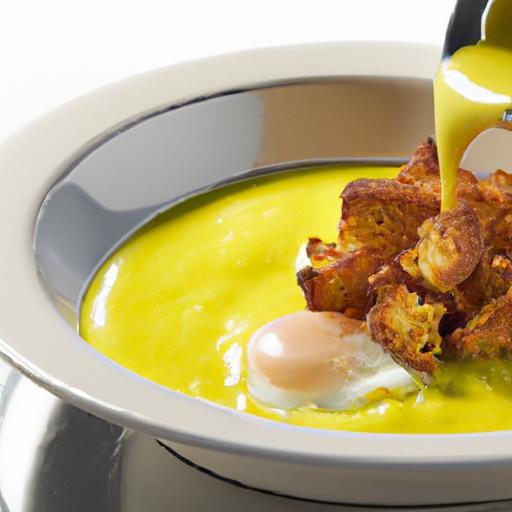
- Curried hollandaise sauce: Top eggs with a rich, spiced hollandaise infused with turmeric and cumin for a vibrant flair.
- Avocado and chili flakes: Serve poached eggs on smashed avocado toast, dusted with smoked paprika or chili flakes for a smoky kick.
- Miso drizzle: A light miso glaze adds depth and umami highlights, perfectly balancing the creamy yolk.
- Fresh microgreens or edible flowers: Garnish with peppery arugula, nasturtium, or coral basil for a fresh, colorful finish.
Serving Suggestions
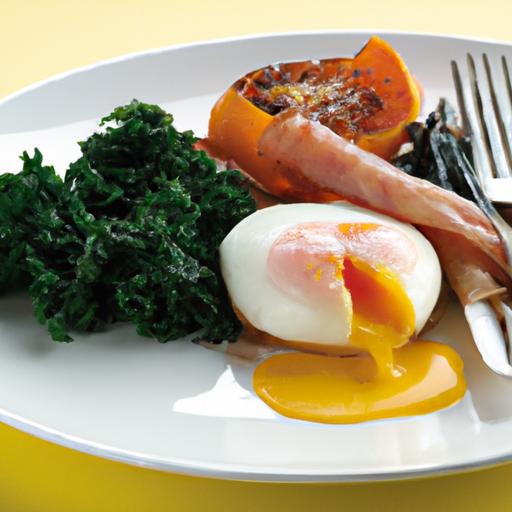
Plate your perfectly poached eggs atop a bed of sautéed spinach or crispy sweet potato hash for a hearty meal. Add a slice of rustic whole-grain bread to soak up golden yolks, and sprinkle flaky sea salt and cracked pepper for texture. For brunch parties,present eggs in their poacher cups on a platter with colorful garnishes,drizzles,and artisan bread slices.A light salad tossed in lemon vinaigrette pairs beautifully alongside, balancing rich eggs with bright acidity.
| Nutrient | Per Serving (2 Eggs) |
|---|---|
| Calories | 160 kcal |
| Protein | 13 g |
| Carbohydrates | 1 g |
| Fat | 11 g |
for more creative egg recipes and kitchen wisdom, explore our best breakfast ideas that spark joy at every meal. To deepen your understanding of egg cooking chemistry, visit Serious Eats’ definitive guide.

Q&A
Egg Poacher 101: Unlocking the Secrets of Perfect Eggs
Q&A Style
Q1: What exactly is an egg poacher, and why should I have one in my kitchen?
A1: An egg poacher is a handy kitchen tool designed to cook eggs gently in simmering water, creating tender, silky whites with perfectly runny yolks.It’s like having a little spa for your eggs! Whether you’re after a classic breakfast or adding elegance to salads and bowls, an egg poacher elevates your cooking with precision and ease.
Q2: I’ve struggled to get poached eggs right on the stove – how dose using an egg poacher help?
A2: Poaching eggs on open water can be tricky: swirling water, timing, and fragile whites all challenge even seasoned cooks.An egg poacher provides a stable environment that holds the eggs in shape and shields them from turbulence, ensuring consistently flawless poached eggs without the fuss or guesswork.
Q3: Are there different types of egg poachers? Which one should I choose?
A3: Absolutely! From silicone inserts that fit snugly in your saucepan, to metal racks that keep eggs suspended above simmering water, and electric egg poachers designed for effortless cooking – the choice depends on your style. If you love simplicity and portability, silicone might be your best friend. For precision and multi-egg batches, metal or electric models shine bright.
Q4: Any secret tips for using an egg poacher to get the best results?
A4: Indeed! Start with fresh eggs – they hold their shape better. Preheat your water to a gentle simmer, not a boil, to avoid rubbery whites.Lightly oil or butter the poaching cups to help eggs release easily. Timing is key: generally, about 3-4 minutes for delicate, runny yolks and up to 5 minutes for firmer centers. And don’t forget to use a slotted spoon for a graceful retrieval!
Q5: Can I get creative with flavors while poaching eggs?
A5: Yes! While the egg’s purity is grand on its own, you can emboss subtle flavors by infusing your poaching water with herbs like thyme or bay leaves.Or, add a splash of vinegar to help coagulate the whites faster. Remember though – the poacher’s main job is perfect texture; the toppings and sides take care of the taste explosion.
Q6: How do I clean and care for my egg poacher?
A6: Most egg poachers have simple cleaning routines. For silicone or non-stick inserts, a soak in warm soapy water does wonders, followed by a gentle scrub. metal poachers benefit from a fast rinse and drying to prevent any spots. Avoid harsh abrasives to keep surfaces smooth. With proper care, your poacher will be a kitchen champion for years!
Q7: Can poached eggs be made ahead, or are they best eaten immediately?
A7: Poached eggs are at their prime fresh and warm, but if you need to prepare ahead, a quick ice bath plunge halts cooking beautifully. Later, gently reheat by dipping in warm water for about a minute. This trick lets you prep for brunch crowds without sacrificing that dreamy texture.
Whether you’re a breakfast enthusiast or a curious kitchen explorer, mastering the egg poacher opens doors to breakfast nirvana. Happy poaching!
Wrapping Up
As you close the lid on your egg poaching journey,remember that mastering the art is as much about patience as it is precision. With your newfound knowledge of temperatures, timing, and gentle technique, perfectly poached eggs are no longer a culinary mystery but a appetizing reality waiting to grace your plate. So go ahead-embrace the humble egg, unlock its secrets, and let each silky, tender bite remind you that sometimes, the simplest foods hold the greatest magic. Happy poaching!