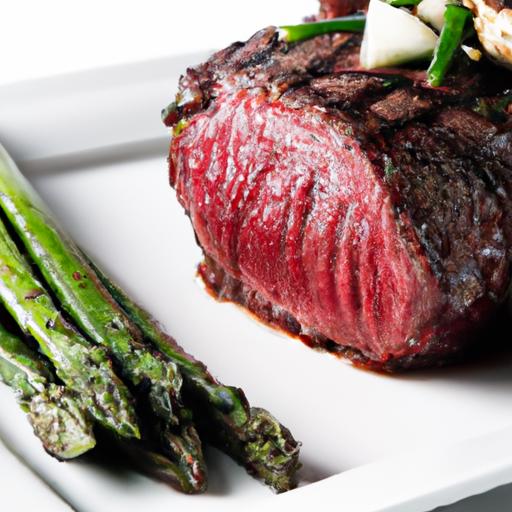

There’s an art to cooking the perfect steak-a delicate balance between heat, timing, and technique that transforms a simple cut of meat into a succulent masterpiece. Among the many degrees of doneness, medium to well stands as a popular choice for those who crave a rich, hearty flavor with just a hint of pink at the center. But how do you achieve that ideal texture-firm yet tender,juicy yet thoroughly cooked? In this flavor guide,we’ll unravel the secrets to mastering the medium to well steak,exploring everything from selecting the right cut to timing your sear and resting your meat. Get ready to elevate your steak game and impress your palate with every bite.
Mastering the perfect medium to well steak begins with a keen understanding of how heat interacts with meat protein, collagen, and fat to create that ideal balance of flavor and texture. selecting the right cut, applying essential techniques, and enhancing taste with thoughtful marinades and spices are all key components to elevating your steak from ordinary to unusual.
Prep and Cook Time
- Readiness: 15 minutes
- Cooking: 10-15 minutes
- Resting: 5-10 minutes
- Total: Approximately 30-40 minutes
Yield
Serves 2 hearty portions
Difficulty Level
Medium – perfect for home cooks looking to refine their grilling or pan-searing skills.
Ingredients
- 2 premium ribeye steaks, 1 to 1.5 inch thick, room temperature
- 2 tbsp high-smoke point oil (grapeseed or avocado oil)
- 1 tsp kosher salt
- 1 tsp freshly cracked black pepper
- 3 cloves garlic, crushed
- 2 sprigs fresh rosemary
- 2 tbsp unsalted butter
- 1 tsp smoked paprika
- 1/2 tsp onion powder
- Optional: fresh lemon zest for finishing garnish
Instructions
- Prepare the steaks: Pat dry the steaks thoroughly to ensure a good sear. Combine kosher salt, black pepper, smoked paprika, and onion powder; then season both sides generously.
- Preheat your pan: Heat a heavy cast-iron skillet over medium-high heat until shimmering hot, about 3-4 minutes. Add the grapeseed oil and swirl to coat the surface.
- Sear the steak: Place steaks in the pan without crowding. sear undisturbed for about 4 minutes until a deep, caramelized crust develops. Flip and add crushed garlic, rosemary sprigs, and butter to the pan.
- Baste for flavor and even cooking: Tilt the pan slightly and spoon the melted butter infused with garlic and rosemary over the steaks repeatedly for 3-4 minutes. This helps continue cooking evenly while layering complex aromatics.
- Check doneness: For medium to well, target an internal temperature between 150°F-160°F (65°C-71°C).Use an instant-read thermometer to monitor your progress.
- Rest the steaks: Transfer steaks to a warm plate and tent loosely with foil. rest for 5 to 10 minutes to allow juices to redistribute, preventing dryness.
- Finish and serve: Optionally zest fresh lemon on top for brightness or serve with your favorite herb garnish like chopped parsley or chives. Slice against the grain for maximum tenderness.
Tips for Success
- Cut selection matters: Tender, well-marbled cuts such as ribeye, striploin, or sirloin shine when cooked medium to well due to their fat content that keeps the meat juicy and flavorful.
- Marinades and spice blends: Even simple dry rubs with smoked paprika and garlic powder can substantially enhance the steak’s flavor profile before cooking.
- Consistent thickness: Ensure steak thickness is uniform – this helps achieve even cooking throughout, preventing overdone edges and underdone centers.
- Resting is key: Never skip resting! It’s essential for juices to settle, yielding a tender bite that melts in your mouth.
- Use a thermometer: Rely on a meat thermometer rather than guesswork. Medium to well steaks can very quickly turn dry if overcooked.
Serving Suggestions
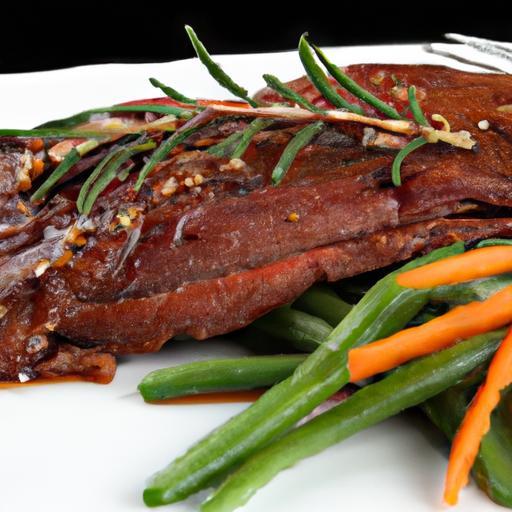
present the steak sliced atop a bed of roasted garlic mashed potatoes or creamy polenta. Complement with grilled asparagus drizzled in olive oil or a fresh, peppery arugula salad tossed with lemon vinaigrette. A pat of melting herb butter or a sprinkle of flaky sea salt on top adds a final luscious touch. For an eye-catching plate,garnish with fresh rosemary sprigs and a light sprinkle of cracked black pepper.

| Nutrition Per Serving | Calories | Protein | Carbs | Fat |
|---|---|---|---|---|
| Ribeye Steak (8 oz) | 520 | 46g | 0g | 38g |
| Butter & Oil | 120 | 0g | 0g | 14g |
| Total | 640 | 46g | 0g | 52g |
For more expert techniques and cuts,explore our Ultimate Guide to Beef Cuts. Additionally, the Serious Eats steak cooking guide is an invaluable reference for perfect doneness every time.
Q&A
Q&A: Mastering the Perfect Medium to Well Steak – A Flavor Guide
Q1: What does “medium to well” mean when talking about steak doneness?
A1: “Medium to well” refers to a steak cooked beyond the pink center stage but not completely dry and overdone. Medium steak typically has a warm, slightly pink center, while medium-well leans more towards a mostly gray-brown color with just a hint of pink, offering a firmer texture and richer, deeper beef flavors.
Q2: How can I achieve the ideal medium to well doneness without drying out my steak?
A2: The secret lies in precise temperature control and timing. Use a reliable meat thermometer: medium is around 140-145°F (60-63°C), while medium-well hits about 150-155°F (65-68°C). Rest your steak for 5-10 minutes after cooking so juices redistribute.Also, consider finishing your steak with a butter baste or a touch of oil infused with herbs to lock in moisture and amplify flavor.Q3: What cuts of beef work best for medium to well cooking?
A3: Thicker, well-marbled cuts like ribeye, New York strip, and sirloin hold up beautifully to medium-well cooking as their generous fat content melts and bastes the meat internally. Leaner cuts can dry out faster, so they require more careful attention or additional techniques like marinating or sous vide before finishing on a hot pan.
Q4: What seasoning methods enhance the flavor of a medium to well steak?
A4: A simple yet bold seasoning regime works wonders-think coarse salt, freshly cracked black pepper, and garlic powder.You can also layer in ground mustard or smoked paprika for depth. Apply seasonings generously before cooking to create a flavorful crust, and finish with fresh herbs like rosemary or thyme during the butter baste stage for aromatic highlights.
Q5: How does cooking medium to well influence the texture and flavor profile of the steak?
A5: Medium to well cooking intensifies the umami notes as the steak’s surface caramelizes more deeply and internal juices concentrate. The texture becomes firmer, with less juiciness than rare or medium-rare, yet a well-cooked medium steak still maintains tenderness. It’s perfect for those who enjoy a robust, savory bite without the rawness of rarer steaks.
Q6: Are there specific cooking techniques best suited for achieving medium to well steak?
A6: Absolutely. Techniques like reverse searing-slowly cooking the steak at low temperature then finishing on a searing hot pan-offer maximum control. Pan-searing followed by oven-roasting is also popular; it creates a beautiful crust while gently bringing the interior to the right temperature. Avoid high heat only, which can over-char the outside before the center is properly cooked.
Q7: Can resting steak after cooking improve flavor or texture?
A7: Resting is essential! After cooking, allow your steak to rest loosely tented with foil for about 5-10 minutes. this pause lets the muscle fibers relax and juices redistribute internally, preventing the classic juice loss when you cut promptly. The result? A steak that’s both tender and bursting with flavor in every bite.
Q8: What accompaniments complement the bold flavors of a medium to well steak?
A8: Think earthy roasted vegetables,creamy mashed potatoes,or a vibrant chimichurri sauce packed with fresh herbs and citrus.These sides balance the steak’s savory intensity, offering textural contrast and brightening the palate.For an extra kick,try a tangy mustard-based sauce or a smoky grilled pepper relish.
Q9: Can I enhance a medium to well steak with finishing touches after cooking?
A9: Definitely! A pat of herb-infused butter melting over the hot steak adds luxurious richness. A sprinkle of sea salt flakes heightens flavor and texture contrast.Even a drizzle of high-quality extra virgin olive oil or a squeeze of fresh lemon juice can brighten and elevate the steak’s natural flavors.
Q10: What common mistakes should I avoid when cooking a medium to well steak?
A10: Avoid overcooking past medium-well, which risks dryness and toughness. Don’t skip seasoning or resting, as both crucially impact flavor and texture. Also,avoid flipping the steak too frequently-let it develop a solid crust on one side before turning.Lastly, don’t rely solely on cooking times-use a thermometer or touch test to judge doneness accurately.
Embark on your steak mastery journey armed with these flavor-smart tips and transform your cooking into a party of perfectly cooked, boldly flavored medium to well steaks every time.
To Conclude
Mastering the perfect medium to well steak is more than just a cooking milestone-it’s an art form that balances heat, timing, and a touch of intuition to unlock rich, savory flavors without sacrificing juiciness.With the techniques and flavor insights covered in this guide,you’re now equipped to transform a simple cut of meat into a succulent masterpiece that satisfies both the palate and the soul. Remember,the journey to steak perfection is as rewarding as the first bite,so embrace the process,trust your senses,and savor every moment of your culinary craft. Whether you’re grilling for guests or treating yourself, your ideal medium to well steak awaits-ready to dazzle with every tender, flavorful bite.