

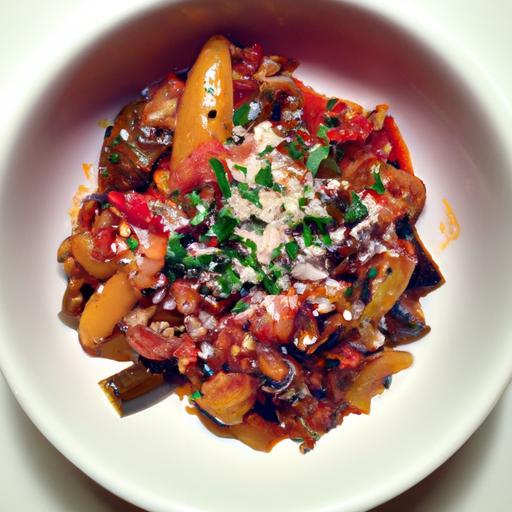
Nestled in the heart of the Mediterranean, Sicily offers a tapestry of flavors as rich and vibrant as it’s sun-soaked landscapes. Among its culinary treasures, eggplant caponata stands out as a timeless classic-a harmonious blend of sweet, tangy, and savory notes that tell the story of the island’s cultural heritage and passion for bold tastes. In this journey through “Savor Sicily: Discover the Ultimate Eggplant Caponata Recipe,” we invite you to explore the secrets behind this beloved Sicilian dish, unlocking the perfect balance of ingredients that transform humble vegetables into an unforgettable feast for the senses.Whether served as a flavorful appetizer, a side dish, or a centerpiece of a Mediterranean spread, caponata promises to bring a slice of Sicily straight to your table.
The Rich History Behind Sicily’s Beloved Eggplant Caponata
Savor Sicily: Discover the Ultimate Eggplant Caponata recipe invites you on a flavorful journey through the sun-kissed Mediterranean island were culture and cuisine blend seamlessly. Caponata, a vibrant vegetable relish, carries centuries of Sicilian heritage in every bite. Originating as a humble dish made from preserved eggplant and fresh garden produce, caponata reflects Sicily’s rich tapestry of influences-Arabic, Greek, and Spanish-that made the island a culinary crossroads. Traditionally served as a mezze or antipasto, this sweet-and-sour marvel balances tangy vinegar with ripe tomatoes and crunchy pine nuts, evoking seaside strolls and lively markets. Its rustic charm and complex layers make it a treasured symbol of Sicilian hospitality and ingenuity.
Prep and Cook Time
- Preparation: 25 minutes
- Cooking: 40 minutes
- Total: 1 hour 5 minutes
Yield
Serves 6 generously as an appetizer or side dish
Difficulty Level
Medium – perfect for cooks comfortable with multitasking and layering flavors
Key Ingredients That Bring Authenticity to Your Caponata
The heart of an authentic caponata lies in the balance of its key ingredients, each chosen for their ability to create a harmonious melody of texture and flavor. Fresh, firm eggplants are essential; their spongy flesh absorbs seasonings beautifully without becoming mushy. The subtle crunch of celery adds brightness, while the natural sweetness of red onions complements the tang of capers and green olives. ripe Roma tomatoes provide a mildly sweet base, and a subtle syrupy glaze achieved using fresh lemon juice and high-quality apple cider vinegar lends that signature sweet-and-sour note. The infusion of pine nuts and freshly chopped parsley finishes the dish with aromatic depth and a pleasing contrast of textures.
- 2 medium eggplants (about 1.5 lbs),diced into 1-inch cubes
- 3 stalks celery,thinly sliced on a diagonal
- 1 large red onion,finely chopped
- 3 ripe Roma tomatoes,chopped
- ¼ cup green olives,pitted and sliced
- 2 tbsp capers,rinsed
- ½ cup pine nuts,toasted
- 3 tbsp apple cider vinegar
- 2 tbsp fresh lemon juice
- 3 tbsp extra virgin olive oil
- 2 tbsp sugar (preferably raw cane sugar)
- Salt and freshly cracked black pepper,to taste
- fresh parsley,chopped,for garnish
step by Step Guide to Perfecting the Classic Caponata Texture
- Prepare the eggplant: Salt the diced eggplant and place it in a colander for 20 minutes to draw out bitterness. Rinse and pat dry thoroughly-this step guarantees a richer flavor and firmer texture.
- Toast pine nuts: In a dry skillet over medium heat, toast the pine nuts, shaking frequently until golden and fragrant (about 3-4 minutes). Set aside for garnish.
- Start the sauté: Heat 2 tablespoons of olive oil in a large skillet over medium heat. Add the eggplant cubes, stirring gently for about 7-10 minutes until golden on all sides but still holding shape.
- Add aromatics: stir in the red onion and celery. sauté for 5 minutes until softened and translucent, stirring regularly to prevent sticking.
- Introduce tomatoes and seasonings: Add chopped tomatoes,olives,and capers.Cook uncovered for 10 minutes, allowing the mixture to meld and reduce slightly.
- Create the sweet-and-sour glaze: In a small bowl, whisk together apple cider vinegar, lemon juice, and sugar until dissolved. Pour over the vegetables, stirring gently for another 5 minutes. The caponata should have a glossy, saucy texture-adjust cooking time slightly if the mixture feels too watery or dry.
- Final seasoning: season with salt and cracked black pepper to taste. Remove from heat and let cool to room temperature; caponata flavors deepen beautifully when allowed to rest.
Creative Serving Suggestions to Elevate Your Sicilian Feast
This dish is a star in its own right, but savor Sicily: discover the ultimate eggplant caponata recipe even further with some inspired pairings to dazzle your guests:
- On toasted rustic bread: Slather caponata on warm crostini for a colorful antipasto that’s as visually stunning as it is indeed delicious.
- With creamy burrata: Spoon caponata alongside fresh burrata for a luxurious contrast of creamy and tangy.
- Over grilled polenta: Layer this relish atop golden grilled polenta rounds for a comforting vegetarian main course.
- As a salad topper: Add a vibrant scoop onto peppery arugula or mixed greens dressed with lemon vinaigrette.
- Garnish creatively: Sprinkle with freshly chopped parsley, toasted pine nuts, or even a few fresh basil leaves to brighten the presentation.
Prep and Cook Time Summary
| Task | Time |
|---|---|
| Salting Eggplant | 20 minutes |
| Preparation & Sautéing | 40 minutes |
| Total Time | 1 hour 5 minutes |
Tips for Success
- Choosing eggplants: Select firm, glossy eggplants without blemishes to ensure a silky texture without excessive bitterness.
- Controlling moisture: removing excess water from eggplants helps prevent sogginess and concentrates flavors.
- sweet-and-sour balance: Adjust vinegar and sugar to personalize sweetness and acidity balance; start conservatively-it’s easier to add more.
- Make ahead: Caponata tastes best after chilling overnight-store it airtight in the refrigerator for up to 4 days.
- Nut-free version: Substitute pine nuts with toasted sunflower seeds or omit if allergies exist.
Discover more timeless Sicilian classics in our vegetarian Sicilian Recipes collection. For a deeper historical insight into Sicilian cuisine’s vibrant influences,visit Britannica’s overview on Sicilian cuisine.

Q&A
Q&A: Savor Sicily – Discover the Ultimate Eggplant Caponata Recipe
Q1: What exactly is caponata, and why is it such an iconic Sicilian dish?
A1: Caponata is a vibrant, tangy vegetable medley hailing from Sicily’s sun-kissed shores. At its heart is the humble eggplant, transformed through slow cooking into a luscious, sweet-and-sour symphony of flavors.This dish is iconic because it perfectly captures Sicily’s culinary soul-combining Mediterranean bounty with a balance of acidity, sweetness, and earthiness that tells a story of generations.
Q2: What makes eggplant the star ingredient in caponata?
A2: Eggplant is a vegetable with remarkable versatility. Its sponge-like texture soaks up the rich flavors of the caponata’s sauce-typically made from tomatoes, olives, capers, and vinegar-creating a harmony that elevates each bite. In Sicily,eggplants are prized for their tender flesh and slightly smoky undertones,which make them the perfect vehicle for this beloved dish.
Q3: Can you describe the flavor profile of a customary Sicilian caponata?
A3: Imagine a dance on your palate where sweet meets tangy and salty contrasts with a gentle bitterness.The sharpness of vinegar blends with the natural sweetness of caramelized onions and tomatoes, while briny olives and capers add bursts of savory intensity. The tender eggplant absorbs all these notes, creating a complex yet comforting dish that’s as layered as Sicilian culture itself.
Q4: What are the essential ingredients for making authentic eggplant caponata?
A4: Authentic caponata relies on fresh, vibrant ingredients: glossy eggplants, ripe tomatoes, sweet onions, tangy capers, briny green olives, and a splash of red wine vinegar or balsamic vinegar that lends acidity. A touch of sugar balances the tartness, while fragrant celery and aromatic fresh basil bring freshness and crunch. Olive oil, naturally, is the golden elixir that ties all the components together.Q5: Is caponata traditionally served hot or cold?
A5: Caponata is delightfully flexible-it’s most often enjoyed at room temperature or slightly chilled. This allows the flavors to meld beautifully over time. Served as a side dish, appetizer, or even a topping for crusty bread, it shines especially during warm days, making it a refreshing yet hearty taste of Sicily.
Q6: Are there any tips for selecting and preparing eggplants to achieve the best texture?
A6: Choose firm, glossy eggplants with smooth skin and a slight give when gently pressed-they should feel fresh and heavy for their size. to avoid bitterness and excess oil absorption, consider salting the sliced eggplant and letting it rest for 30 minutes, then rinse and pat dry before cooking. This step helps create a tender, buttery texture that won’t overwhelm the dish.
Q7: Can caponata be made ahead of time, and how should it be stored?
A7: Absolutely! Caponata is one of those magical dishes that improves with time. Preparing it a day in advance allows the flavors to deepen and marry into a richer melody. Store it in an airtight container in the refrigerator, and it will keep wonderfully for up to a week. Just bring it to room temperature before serving for the best experience.
Q8: Are there any traditional Sicilian occasions or holidays where caponata is notably popular?
A8: While caponata is enjoyed year-round, it frequently enough graces festive tables during summer gatherings and family celebrations. Its versatility as both a side and a stand-alone dish makes it a favorite during communal meals, village festivals, and seasonal harvest feasts that honour the rich produce of Sicily’s land.
Q9: Can caponata be paired with other Sicilian dishes for a complete meal?
A9: Certainly! Caponata complements a variety of Sicilian staples like grilled vegetables, fresh bread, or hearty beans. Try serving it alongside a plate of marinated artichokes or as part of an antipasto spread featuring roasted red peppers and fresh ricotta. its bold flavor profile provides a perfect counterpoint to simpler, milder dishes.Q10: How can home cooks add their own creative twist to the classic eggplant caponata?
A10: While honoring tradition is important,creativity keeps recipes alive! Consider adding toasted pine nuts for crunch,a handful of raisins for extra sweetness,or fresh herbs like mint or parsley for a fragrant lift. Some cooks experiment with different vinegars or incorporate seasonal vegetables like zucchini or bell peppers, making each batch uniquely their own while still evoking that unmistakable Sicilian charm.
In Conclusion
As you bring this journey through Sicily’s rich culinary heritage to a close, remember that eggplant caponata is more than just a dish-it’s a vibrant mosaic of flavors, history, and tradition simmered into every bite. Whether you serve it as a tangy appetizer, a savory side, or a standalone treat, this recipe invites you to savor the spirit of the Mediterranean with each forkful. So gather your freshest ingredients, embrace the art of balance between sweet and sour, and let your kitchen become a small Sicilian escape. Because in every spoonful of caponata, there’s a story waiting to be told-and tasted. Buon appetito!