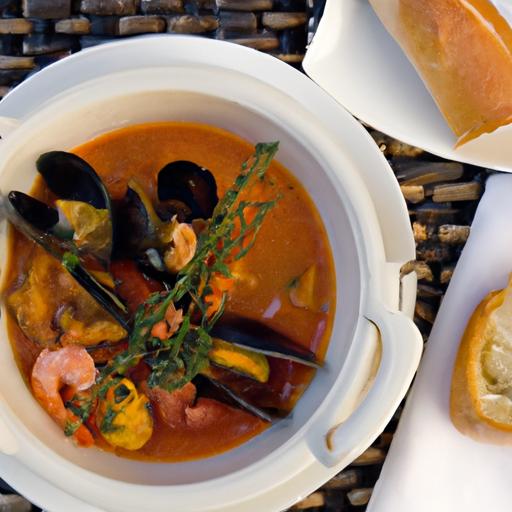

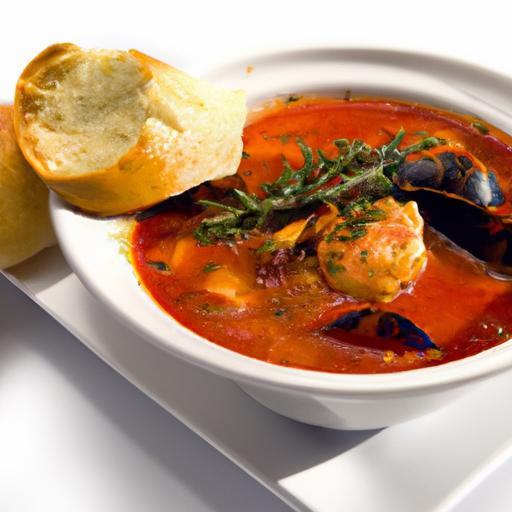
Beneath the swirling mists of the San francisco waterfront lies a culinary treasure steeped in history and brimming with coastal bounty: cioppino.This hearty seafood stew, born from the melding of Italian immigrant tradition and the abundant Pacific harvest, is more than just a dish-it’s a vibrant party of the sea’s rich flavors and the community spirit that inspired it. In every simmering pot, tender chunks of fish, succulent shellfish, and fragrant herbs come together in a fragrant tomato broth, weaving a story of resilience, creativity, and comfort. Join us as we dive into the origins, ingredients, and timeless appeal of cioppino, uncovering why this beloved stew remains a treasured symbol of seafood tradition.
The Origins and Cultural Essence of Cioppino
Cioppino: Discover the Rich Flavors of Seafood Stew Tradition unfolds the vibrant story of this beloved dish born from the bustling docks of San Francisco. This hearty stew traces it’s roots to Italian immigrant fishermen who skillfully combined the catch of the day into one communal pot. More than just a meal, it represents a melding of tradition, community, and the bountiful Pacific coast. The essence of cioppino lies in its rustic yet refined simplicity-a celebration of fresh, local seafood simmered gently in a fragrant, savory broth.For any home cook eager to explore coastal flavors, understanding cioppino’s heritage brings a deeper appreciation to every luscious spoonful.
Prep and Cook Time
- Preparation: 25 minutes
- Cooking: 45 minutes
- Total Time: 1 hour 10 minutes
Yield
- Serves 6 hearty portions
difficulty Level
- Medium: Ideal for cooks cozy with seafood handling and simmering broths
Ingredients
- 2 tbsp extra-virgin olive oil
- 1 large onion, finely chopped
- 4 cloves garlic, minced
- 1 red bell pepper, diced
- 1 fennel bulb, thinly sliced
- 1 tbsp tomato paste
- 1 can (28 oz) crushed tomatoes
- 4 cups seafood stock (or homemade fish broth)
- 1 cup clam juice
- 1 tsp dried oregano
- 1 tsp dried thyme
- 1/2 tsp red pepper flakes (optional, for gentle heat)
- Salt and freshly ground black pepper, to taste
- 1 lb Dungeness crab, cleaned and cracked
- 1 lb fresh clams, scrubbed
- 1 lb fresh mussels, debearded and cleaned
- 1 lb large shrimp, peeled and deveined
- 1 lb white fish fillets (e.g.,halibut or cod),cut into chunks
- Chopped fresh parsley,for garnish
- Lemon wedges,for serving
Instructions
- Heat olive oil over medium heat in a large,heavy pot. Add the finely chopped onion, minced garlic, diced red bell pepper, and sliced fennel. Sauté untill softened and fragrant, about 7-8 minutes, stirring occasionally so nothing sticks or browns too quickly.
- Stir in the tomato paste and cook for another 2 minutes, allowing it to deepen in flavour.
- Add the crushed tomatoes and stir to combine. Pour in the seafood stock and clam juice. Sprinkle in the dried oregano, thyme, and red pepper flakes. Season with salt and pepper to taste.
- Bring the broth to a gentle simmer, cover partially, and cook for 20 minutes to allow the flavors to meld fully.
- Add the Dungeness crab, clams, and mussels to the simmering broth. Cover the pot and cook until the shells open, about 5-7 minutes. Discard any unopened shells to avoid bitterness.
- Gently stir in the shrimp and white fish chunks. Continue cooking uncovered for another 5-6 minutes or until the shrimp turn pink and the fish flakes easily with a fork.
- Taste the broth and adjust seasoning if necessary. Turn off the heat and sprinkle the stew generously with freshly chopped parsley.
- Serve instantly in deep bowls with crusty bread to soak up the luxurious broth, accompanied by fresh lemon wedges for a radiant finishing touch.
Tips for Success
- Freshness is key: Always select the freshest possible seafood for that authentic cioppino flavor. Check for firm texture, a clean ocean aroma, and closed shells on clams and mussels.
- Building depth: If you cannot access seafood stock, simmer fish bones and heads with aromatics for 30 minutes before cooking to make your own broth.
- Gentle simmering: Avoid boiling aggressively once the seafood is added; a gentle simmer ensures tender, perfectly cooked seafood.
- Make-ahead broth: the broth can be prepared a day ahead and refrigerated-just add seafood right before serving for the freshest results.
- Substitutions: Feel free to swap crab for lobster or add scallops based on availability and personal taste. Just adjust cooking times accordingly.
Serving Suggestions
Present your stew in rustic bowls that showcase the colorful medley of seafood nestled in the vibrant tomato broth. Garnish with a scattering of bright green parsley and a few lemon wedges to add crisp acidity. Serve alongside toasted slices of sourdough or ciabatta to scoop up every drop of flavor. for an added burst, a small bowl of herb-infused olive oil dipping sauce makes a splendid complement. This dish shines best enjoyed with friends or family gathered around the table,embodying both nourishment and conviviality.
| Nutrient | Per serving |
|---|---|
| Calories | 380 kcal |
| Protein | 45 g |
| Carbohydrates | 18 g |
| Fat | 8 g |
Expert Tips for Serving and Pairing Cioppino with wine
When serving cioppino, focus on simplicity and freshness to let the seafood shine. Pair your cioppino with crisp,unoaked white wines like a Sauvignon Blanc or a dry vermentino,which complement the bright tomato base and oceanic flavors without overpowering them. Rosé wines with subtle berry notes can also offer a refreshing balance. Serve your wine slightly chilled to enhance the meal’s warmth and spice. For a non-alcoholic pairing, sparkling water with a slice of lemon or an herbaceous iced tea elevates the dining experience beautifully. Remember, the key is balance – both in the bowl and the glass.

Q&A
Q&A: Cioppino – Discover the Rich Flavors of a Seafood Stew Tradition
Q1: What is cioppino, and where dose it come from?
A1: Cioppino is a hearty, flavorful seafood stew that originated in San francisco in the late 19th century. It was created by Italian-American fishermen who combined the day’s fresh catch with a medley of tomatoes, garlic, and herbs to create a warm, comforting dish that reflects the bounty of the Pacific Ocean.
Q2: What types of seafood are typically used in Cioppino?
A2: Cioppino is a celebration of ocean diversity. Commonly,it includes a variety of shellfish and fish like crab,clams,mussels,shrimp,scallops,and firm white fish such as halibut or cod. The mix can vary depending on what’s fresh and available, making it a wonderfully adaptable stew.
Q3: How does Cioppino differ from othre seafood stews?
A3: Unlike some seafood stews that focus on delicate broths or cream bases, Cioppino is distinguished by its tomato-based broth infused with garlic, onions, fresh herbs like basil and parsley, and a hint of chili flakes for subtle heat. Its robust flavors and slightly rustic texture showcase the ingredients without overwhelming them.
Q4: What ingredients give Cioppino its signature flavor?
A4: The heart of Cioppino’s flavor lies in its rich tomato broth combined with aromatic garlic, fresh herbs, a touch of fennel or anise for depth, and simmered seafood juices. The interplay of acidity from tomatoes and the natural briny sweetness of the seafood creates a vibrant and balanced taste profile.
Q5: Can Cioppino be made ahead of time, or is it best fresh?
A5: Cioppino is best enjoyed fresh to preserve the delicate textures of the seafood. However, the broth can be prepared earlier, allowing the flavors to meld. seafood should be added last and cooked just until done to keep the stew vibrant and avoid overcooked seafood.
Q6: What makes Cioppino a comfort food favorite?
A6: Its warm, fragrant broth paired with tender, flavorful seafood creates a bowl that feels nurturing and satisfying. Traditionally, cioppino was a fishermen’s supper bringing hearty nourishment after a long day, and today it evokes the joy of coastal gatherings and shared meals.
Q7: Are there any vegetarian or non-seafood variations inspired by Cioppino?
A7: While Cioppino is truly a seafood celebration,some chefs experiment with plant-based “seafood” alternatives or hearty vegetables like artichokes,mushrooms,and hearts of palm,simmered in a rich tomato-herb broth to capture a similar essence. However, these are more modern interpretations than customary Cioppino.
Q8: What side dishes pair well with Cioppino?
A8: Cioppino is often served with crusty artisanal bread or sourdough, perfect for soaking up the luscious broth. A simple green salad with a citrus vinaigrette can provide refreshing contrast, while roasted vegetables complement the meal without overshadowing the stew’s vibrant flavors.
Q9: How can home cooks master the perfect Cioppino?
A9: Start with the freshest seafood possible and a flavorful homemade tomato base. Build layers of flavor slowly by sautéing aromatics and adding herbs thoughtfully. Cook seafood gently and separately if needed, adding them to the stew just before serving. Patience and quality ingredients are key to achieving that authentic, rich taste.
Q10: What cultural significance does Cioppino hold today?
A10: Cioppino stands as a flavorful testament to immigrant ingenuity and the rich maritime heritage of San Francisco. It embodies community, resourcefulness, and a deep connection to the sea. Today, it continues to bring people together around the table to celebrate tradition, freshness, and shared stories through food.
Concluding Remarks
As the aromatic steam rises from a hearty bowl of cioppino, it tells a story far richer than its blend of seafood and spices-a story of coastal heritage, immigrant ingenuity, and the timeless dance between land and sea. whether savored in a bustling San Francisco harbor or recreated in your own kitchen,cioppino invites you to experience a tradition steeped in history and bursting with flavor. So, next time you crave a taste of the ocean’s bounty wrapped in a warm embrace, let cioppino be your vessel on a culinary voyage through the rich tapestry of seafood stew tradition.