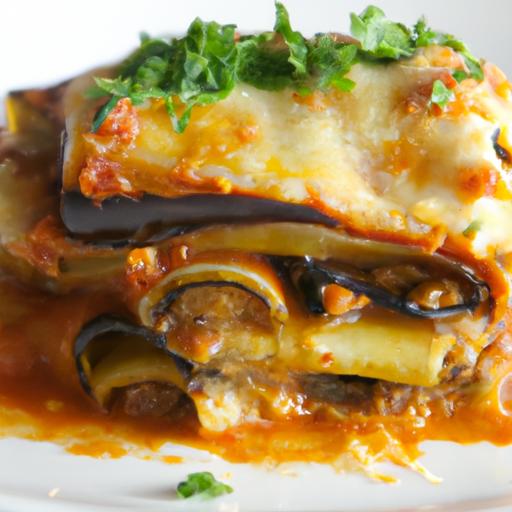

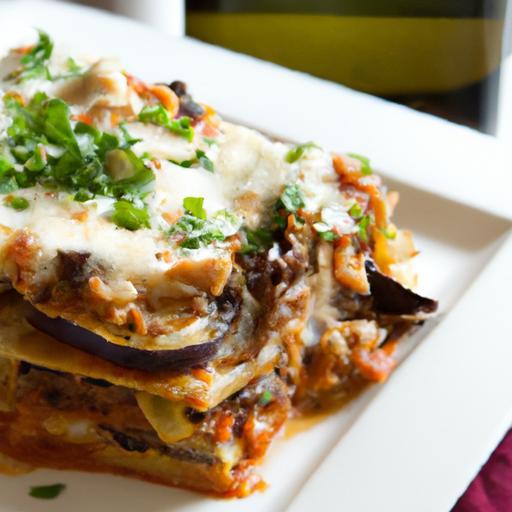
When it comes to comfort food, few dishes evoke warmth and satisfaction quite like a classic lasagna. But what if you could enjoy all that hearty, cheesy goodness with a fresh, healthy twist? Enter eggplant lasagna layers-a vibrant, flavorful reinvention that swaps traditional pasta sheets for tender, roasted eggplant slices. This clever substitution not only reduces carbs but also infuses the dish with a subtle earthiness, creating a perfect harmony of taste and texture. In this article, we’ll explore how eggplant transforms the beloved lasagna into a delightfully nutritious meal, offering a tasty twist on a timeless tradition.
Choosing the Perfect Eggplants for Ideal Texture and Flavour
When embarking on your journey with eggplant lasagna layers, the choice of eggplants is the foundation of an outstanding dish. Look for eggplants that are firm with smooth, glossy skin and a rich purple hue-these signal freshness and a tender yet meaty flesh. Smaller to medium-sized varieties like the globe or Italian eggplants offer a balanced texture that’s less bitter and absorb less oil during cooking, critical for maintaining the ideal tenderness without sogginess.
Gently press the skin; it should bounce back, indicating ripeness. Avoid those with soft spots or blemishes as they can introduce unwanted moisture and bitterness. Selecting quality eggplants not only elevates texture but infuses each layer of your lasagna with a naturally sweet, robust flavor that harmonizes beautifully with the creamy cheeses and savory tomato sauce.
Preparing Eggplant Layers for Maximum Moisture Control
Eggplants are notorious for holding moisture, which can drown your lasagna layers in sogginess if not properly managed. To preserve structure, slice your eggplants evenly-about 1/4 inch thick-ensuring they cook uniformly. Salt the slices generously and let them rest on a wire rack or paper towels for 30 minutes to draw out excess moisture and reduce bitterness.
After salting, gently pat the slices dry to remove the drawn-out water. This crucial step prevents watery layers and helps the eggplant absorb flavors rather than repel them. For added texture and to lock in flavor, lightly brush the slices with olive oil before roasting or grilling. This caramelizes their surface, giving them a subtle smoky note and a delicate crust that holds its shape perfectly within each eggplant lasagna layer.
Assembling Your Eggplant Lasagna with Balanced Ingredients
Layering is where your creation takes form-each element must be thoughtfully balanced to create a mesmerizing mosaic of taste and texture. Begin with a thin coating of rich tomato sauce to anchor the layers, then alternate perfectly roasted eggplant slices with dollops of creamy ricotta blended with fresh herbs, mozzarella, and a sprinkle of Parmesan for a savory punch.
maintain harmony by not overloading any one layer, ensuring the eggplant remains the star of the show. Tuck in sautéed vegetables like spinach or mushrooms for earthy depth,and distribute the cheese evenly for melt-in-your-mouth indulgence. By layering mindfully, you ensure every forkful is a luscious blend of tender eggplant, umami-rich sauce, and luscious melted cheese that defines the magic of your eggplant lasagna layers.
Baking Techniques to Achieve a Melty and Golden Finish
The final step is where texture and flavor meld into perfection. Preheat your oven to 375°F (190°C), allowing the lasagna to bake slowly and evenly. Cover the dish with foil for the first 30 minutes to trap steam and melt the cheeses thoroughly without drying the top. Removing the foil for the last 15-20 minutes encourages that golden, bubbling crust that makes this dish irresistible.
For an extra touch of crispness, place the pan on a middle oven rack, ensuring even heat circulation around the layers.Letting the lasagna rest for 10 minutes after baking allows the layers to set beautifully, making slicing clean and letting flavors fully bloom on the palate.The result: perfectly melty, golden-topped eggplant lasagna layers that promise every bite is both comforting and gourmet.
Prep and Cook Time
- preparation Time: 40 minutes (including salting and roasting eggplants)
- Cook time: 50 minutes (baking and resting)
- Total Time: 1 hour 30 minutes
Yield
Serves 6 hearty portions
Difficulty Level
Medium – perfect for confident cooks ready to elevate their lasagna game
Ingredients
- 3 medium eggplants, sliced into 1/4-inch thick rounds
- 2 teaspoons kosher salt, for salting eggplants
- 3 cups marinara sauce, preferably homemade or high-quality store-bought
- 2 cups ricotta cheese
- 1 1/2 cups shredded mozzarella cheese
- 1/2 cup grated Parmesan cheese
- 2 cloves garlic, minced
- 1 tablespoon fresh basil, chopped
- 1 tablespoon fresh parsley, chopped
- 2 tablespoons olive oil, plus extra for brushing
- Freshly ground black pepper, to taste
- Optional: 1 cup sautéed spinach or mushrooms for layering
Instructions
- Prepare the eggplant: Lay eggplant slices on a wire rack.Sprinkle both sides evenly with kosher salt. Let sit for 30 minutes; then rinse under cold water and pat dry thoroughly with paper towels.
- Roast the eggplant: Preheat oven to 400°F (200°C). Arrange slices on a baking sheet and brush both sides lightly with olive oil. Roast for 20 minutes, flipping halfway, until golden and tender.
- Mix the ricotta filling: In a bowl, combine ricotta cheese, minced garlic, chopped basil, parsley, and pepper. Stir thoroughly to blend flavors.
- Assemble the lasagna: Preheat oven to 375°F (190°C). Spread a thin layer of marinara on the bottom of a 9×13-inch baking dish. Add a layer of eggplants, followed by spoonfuls of the ricotta mixture, a sprinkle of mozzarella, and a drizzle of sauce. Repeat layers finishing with mozzarella and Parmesan on top.
- Cover and bake: Loosely cover with foil and bake for 30 minutes. remove foil and bake another 15-20 minutes until the cheese is bubbling and golden brown.
- Rest before serving: Remove from oven and let sit for 10 minutes to set layers for easy slicing and maximum flavor melding.
Tips for Success
- Salting the eggplant is key: don’t skip it or you risk a soggy final dish.
- Roasting instead of frying cuts down on oil absorption and enhances the subtle sweetness.
- For a vegan variation, substitute ricotta and mozzarella with plant-based cheeses or tofu ricotta.
- Make-ahead friendly: Assemble the dish a day prior, keep refrigerated, and bake on the day of serving to deepen the flavors.
- Use fresh herbs generously-they brighten every bite and complement the creamy cheeses perfectly.
Serving Suggestions
Serve your lasagna layered with eggplant warm, garnished with fresh basil leaves and a sprinkle of extra Parmesan. Pair with a crisp green salad dressed lightly with lemon vinaigrette to balance the richness. Crusty garlic bread or a side of roasted seasonal vegetables also complements this hearty yet elegant meal wonderfully.
| Nutrient | Per Serving |
|---|---|
| Calories | 320 kcal |
| Protein | 18 g |
| Carbohydrates | 22 g |
| Fat | 18 g |

For more inspiration on eggplant dishes, check out our roasted eggplant recipes. To deepen your understanding of eggplant’s nutritional benefits, visit Healthline’s overview on eggplant.
Q&A
Q&A: Eggplant Lasagna Layers – A Delicious Twist on Tradition
Q1: What makes eggplant lasagna different from traditional lasagna?
A1: Eggplant lasagna swaps out the classic pasta sheets for tender, layered slices of roasted or grilled eggplant. This not only adds a rich, smoky flavor but also reduces the carb content, making it a great option for those seeking a lighter, vegetable-packed twist on the traditional Italian favorite.
Q2: how do you prepare eggplant slices for lasagna layers?
A2: To prepare eggplant slices, start by slicing the eggplant lengthwise into thin, even slices. Salt them lightly and let them sit for about 20-30 minutes to draw out excess moisture and bitterness. Then, pat them dry and either roast, grill, or pan-fry the slices until tender. This caramelizes the surfaces and adds depth to the final dish.
Q3: Can eggplant lasagna be made vegan or dairy-free?
A3: Absolutely! Eggplant lasagna lends itself beautifully to vegan and dairy-free variations.Use plant-based ricotta made from tofu or cashews, substitute traditional béchamel or cheese with creamy coconut or almond-based alternatives, and ensure your tomato sauce is free from animal products for a delicious vegan twist.
Q4: What types of cheese pair best with eggplant lasagna layers?
A4: Classic options such as mozzarella, ricotta, and Parmesan enhance eggplant lasagna with their creamy and savory notes. However, fresh cheeses like burrata or a tangy goat cheese can add an exciting flavor dimension. For a lighter touch, consider mixing ricotta with fresh herbs like basil or parsley.
Q5: how can I prevent eggplant slices from becoming soggy in the lasagna?
A5: The key is salting and pre-cooking the eggplant slices thoroughly before layering. Salting draws out moisture, while roasting or grilling reduces water content and intensifies flavor.Additionally, layering ingredients so that sauces aren’t overly wet and giving the finished dish time to rest before slicing helps maintain structure and prevents sogginess.
Q6: Are there any creative layering ideas to enhance the eggplant lasagna?
A6: Definitely! Try layering in sautéed mushrooms, spinach, or caramelized onions to add texture and flavor contrasts. A spread of pesto or roasted red pepper sauce between layers can bring brightness and complexity, elevating the dish beyond the traditional.
Q7: How versatile is eggplant lasagna in terms of serving occasions?
A7: Eggplant lasagna is wonderfully versatile – it works as a hearty weeknight meal, an impressive dish for dinner parties, or even as a make-ahead comfort food. Its vibrant layers and rich flavors make it a crowd-pleaser weather served family-style or plated elegantly.
Q8: What side dishes complement eggplant lasagna?
A8: A crisp, fresh green salad with a zesty lemon vinaigrette balances the richness of eggplant lasagna beautifully. Roasted vegetables like asparagus or zucchini ribbons also provide a fresh contrast. For a cozy meal, creamy polenta or crusty garlic bread rounds out the experience perfectly.
Q9: Can eggplant lasagna be frozen for later?
A9: Yes! eggplant lasagna freezes well. Assemble and bake the dish, then allow it to cool fully before wrapping tightly and freezing.When ready to enjoy, thaw overnight and reheat in the oven for a comforting, ready-made dinner that tastes just as fresh.
Q10: What’s the best way to serve eggplant lasagna for maximum flavor impact?
A10: Allow the lasagna to rest for at least 10-15 minutes after baking; this helps the layers to set, making slicing neat and the flavors more harmonious. Garnish with fresh basil leaves or a sprinkle of grated cheese for a final touch, and serve warm to fully appreciate the luscious textures and tastes.
Key Takeaways
As the final forkful settles on your palate, the layers of tender eggplant, rich tomato sauce, and melted cheese reveal a harmonious dance of flavors that pay homage to lasagna’s classic roots while boldly stepping into a new culinary territory.Eggplant lasagna layers not only offer a delightful twist on tradition but also invite home cooks and food lovers alike to embrace a lighter, yet equally satisfying experience. So next time you crave comfort food with a fresh perspective, remember that this vibrant dish turns humble vegetables into a masterpiece, proving once again that innovation in the kitchen can taste like home.