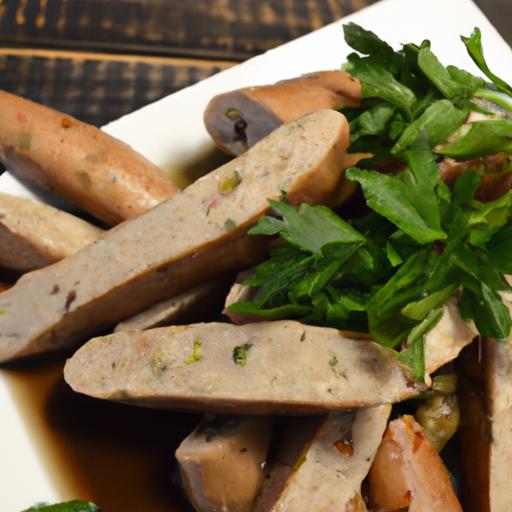

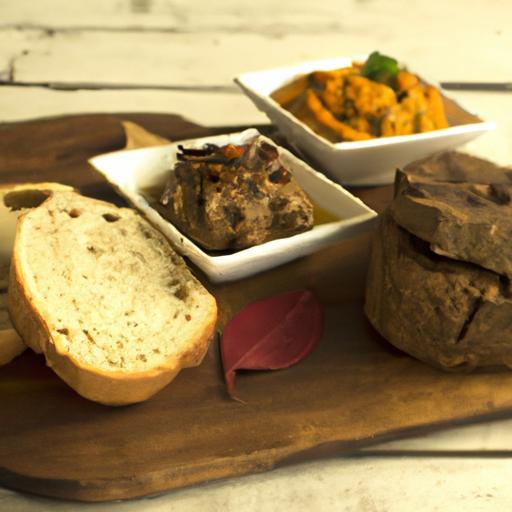
In a world buzzing with dietary trends and plant-based innovations, one versatile protein superstar frequently enough flies just under the radar-seitan. With it’s chewy texture and ability to absorb flavors like a culinary sponge,seitan has long been a favorite among vegans,vegetarians,and curious cooks alike. But if the very idea of making this wheat-based wonder at home feels intimidating,fear not. “Seitan Made Simple: Your Guide to Easy Homemade protein” is here to unlock the secrets behind crafting this protein powerhouse in your own kitchen. Whether you’re a seasoned chef or a curious beginner, prepare to discover how simple ingredients and a bit of know-how can transform wheat gluten into a delicious, customizable protein that’s as satisfying as it is nutritious. Welcome to the art of seitan-made simple, made tasty, made yours.
seitan made simple unlocks the secrets of this versatile, protein-packed marvel that has nourished food lovers for centuries. Rooted in East Asian culinary traditions, seitan is prized for its meaty texture and ability to absorb bold flavors, making it a staple in many plant-based kitchens. Whether you’re a seasoned vegan or curious about homemade proteins, crafting seitan is surprisingly straightforward and endlessly adaptable.
Prep and Cook Time
Planning: 20 minutes | Cooking: 1 hour 30 minutes | Total: 1 hour 50 minutes
Yield
Approximately 4 servings (about 500g of cooked seitan)
Difficulty level
Medium - Requires attention to kneading and simmering times for ideal texture.
Ingredients
- 2 cups vital wheat gluten
- 1/4 cup nutritional yeast
- 1 teaspoon garlic powder
- 1 teaspoon onion powder
- 1/2 teaspoon smoked paprika
- 1 1/4 cups vegetable broth, warm
- 3 tablespoons soy sauce or tamari
- 2 tablespoons olive oil
- 1 tablespoon tomato paste (optional, for umami)
Step-by-Step Instructions to Prepare Perfect Homemade Seitan
- Mix dry ingredients: In a large bowl, combine the vital wheat gluten, nutritional yeast, garlic powder, onion powder, and smoked paprika until evenly blended.
- Combine wet ingredients: In a separate container, whisk together the warm vegetable broth, soy sauce, olive oil, and tomato paste. The warmth helps activate the gluten for better elasticity.
- Form the dough: Gradually pour the wet mix into the dry ingredients. Stir with a spoon until the dough starts to hold together.
- Knead the dough: Transfer to a clean surface and knead for about 5-7 minutes until the dough becomes elastic but still slightly sticky-this ensures the perfect chewiness.
- Shape the seitan: Divide the dough into 3-4 equal-sized portions. Shape each into a log or patty, depending on your preferred use.
- Simmer in broth: Prepare a pot with 6 cups of vegetable broth. Gently place the seitan pieces in the simmering broth (not boiling to avoid toughness). Cover and simmer for 1 hour, turning occasionally to ensure even cooking.
- Let rest: Remove from broth and allow to cool slightly before slicing or further cooking.
Flavoring and Cooking Techniques to Elevate Your Seitan
Seitan’s blank-canvas nature invites creativity. Marinate your seitan in soy sauce,maple syrup,garlic,and smoked paprika for grilled favorites. Alternatively, try braising in a rich mushroom gravy or tossing chunks in spicy chili sauces for bold bites. Pressing seitan between floured parchment sheets before cooking can create a tender crust ideal for frying. Pan-searing until golden adds a visually pleasing caramelization and intensifies depth of flavor.
Storage Tips and Creative Ways to Use Leftover Seitan
Store cooked seitan airtight in the refrigerator for up to 5 days or freeze in portions for 2-3 months. For best texture upon reuse, thaw gently and reheat by pan-frying or simmering briefly in broth or sauce. Leftovers transform beautifully into hearty sandwiches, stir-fries, or protein-packed salads. Chop and crisp seitan for vegan tacos or crumble it to add savory texture to mushroom Bolognese dishes. The versatility is truly inspiring for elevating any meal.
Chef’s Notes: Tips for Success
- Kneading: Proper kneading activates gluten which is vital for seitan’s signature chew. Stop kneading if dough feels tough rather than elastic.
- Simmer gently: Keep broth at a low simmer to prevent seitan from becoming rubbery or shrinking excessively.
- Add flavor early: Incorporate herbs or miso paste in the simmering broth for deeper flavor infusion.
- Gluten-Free alternative: Gluten-sensitive eaters can explore chickpea flour-based “seitan,” but note that the texture will differ substantially.
- Make-ahead tip: seitan improves in flavor when rested overnight in the broth. Reheat gently before serving.
Serving Suggestions
Slice the seitan thin and serve glazed with a tangy barbecue sauce, or layer it in a sandwich with crisp lettuce, ripe tomato, and creamy avocado. Thin strips sautéed with bell peppers and onions make a delightful fajita filling. Garnish with fresh herbs like parsley or cilantro, toasted sesame seeds, or a squeeze of lemon for brightness. Pair with roasted vegetables or a creamy vegan mashed potato for a comforting meal that pleases every palate.

| Nutrient | Per Serving |
|---|---|
| Calories | 180 kcal |
| Protein | 25 g |
| Carbohydrates | 8 g |
| Fat | 4 g |
For further inspiration, explore this vegan protein guide. To dive deeper into seitan’s history and nutritional profile, visit the Healthline seitan overview – a trusted resource packed with insights.
Q&A
Q&A: Seitan Made Simple – Your Guide to Easy Homemade Protein
Q1: What exactly is seitan, and why is it gaining so much attention in plant-based kitchens?
A: Seitan is a versatile, protein-rich food made from wheat gluten. Often called “wheat meat,” it has a chewy, hearty texture that mimics the bite of animal proteins, making it a favorite among vegans, vegetarians, and adventurous cooks alike. With its ability to absorb flavors like a sponge, seitan offers a blank canvas for bold spices, sauces, and marinades, transforming plant-based meals into satisfying feasts.
Q2: Is making seitan at home difficult, or does it require special skills?
A: Not at all! Homemade seitan might sound intimidating, but it’s surprisingly straightforward. All you need is vital wheat gluten powder, water or broth, and some basic seasonings.From mixing and kneading to simmering or baking,the process is simple and even therapeutic. Plus, making your own seitan means you control the texture and flavor profile completely!
Q3: What are the key ingredients needed to start making seitan?
A: The star ingredient is vital wheat gluten – the protein portion of wheat separated from starch.You’ll also want a flavorful liquid, such as vegetable broth, tamari, or your favorite herbs steeped in hot water, to bring life into your seitan. Additional seasonings like garlic powder, smoked paprika, or nutritional yeast help layer complexity. Think of it as crafting edibles with your spice rack as your palette.
Q4: How does the homemade version compare to store-bought seitan?
A: Homemade seitan beats store-bought on freshness,flavor customization,and fun factor. Store versions frequently enough contain preservatives or are pre-seasoned in ways you may not prefer. by making your own, you can fine-tune saltiness, smokiness, and spice level-and even experiment with sweet or savory varieties. Plus, it’s budget-friendly and a joy to tailor your texture from soft to chewy as you desire.
Q5: Can seitan be suitable for gluten-free diets?
A: Unfortunately, seitan is made almost entirely from gluten, so it’s not gluten-free and should be avoided by those with celiac disease or gluten sensitivities.However, for those without gluten restrictions, seitan is a spectacular source of plant-based protein.
Q6: What are some creative ways to enjoy seitan once it’s ready?
A: The culinary possibilities are endless! Slice seitan thin for sandwiches and wraps,cube it for stir-fries and curries,shred it for “pulled” dishes,or marinate and grill for a smoky BBQ alternative. It also works fabulously crumbled into vegan meatballs or sausages. don’t be afraid to get playful-seitan can handle bold coatings, spicy rubs, and hearty sauces.
Q7: How can I ensure my homemade seitan has the perfect texture?
A: Texture largely depends on how you knead and cook the dough. Kneading develops the gluten strength, so don’t shy away from working it for 5-10 minutes for a firm bite. Simmering gently rather than boiling vigorously helps keep a tender but resilient texture. Baking can yield a firmer,chewier end result,better for slicing.
Q8: Is seitan nutritious? What does it bring to my diet?
A: Absolutely! Seitan is packed with protein, making it an excellent meat alternative for plant-based eaters. It’s low in fat and carbohydrates but offers a significant protein punch per serving. while it lacks some nutrients found in whole foods, pairing it with vegetables, grains, and legumes creates a well-rounded, nourishing meal.
Q9: What common mistakes should I avoid when making seitan?
A: Overcooking can turn seitan rubbery, so keep a gentle simmer rather than a restless boil. using tap water with chlorine or additives might affect flavor,so filtered water is best. also, skipping seasoning in the dough or cooking broth can result in blandness-don’t be shy about bold flavors! Lastly, cutting the dough too early can cause it to lose its structure, so allow it to rest briefly if needed.
Q10: Can seitan be frozen for future use?
A: Yes! Seitan freezes wonderfully, making batch cooking a breeze. Portion it before freezing, then thaw and reheat in your favorite sauces or stir-fries. this way, you have homemade protein ready to rock your meals any night of the week.
With these insights, your journey to homemade seitan starts confidently and creatively. Embrace the process, experiment boldly, and enjoy a delicious dive into plant-powered protein!
The Conclusion
Whether you’re a seasoned plant-based pro or just dipping your toes into meatless meals, making seitan at home opens up a world of culinary possibilities. With simple ingredients and a few easy steps, you can craft your own protein-packed masterpiece that’s as versatile as it is delicious. So next time you crave something hearty, healthy, and wholly homemade, remember: seitan isn’t just a dish, it’s your canvas.Roll up your sleeves, get creative, and savor the satisfying journey of turning wheat gluten into your new favorite kitchen staple.Happy cooking!