
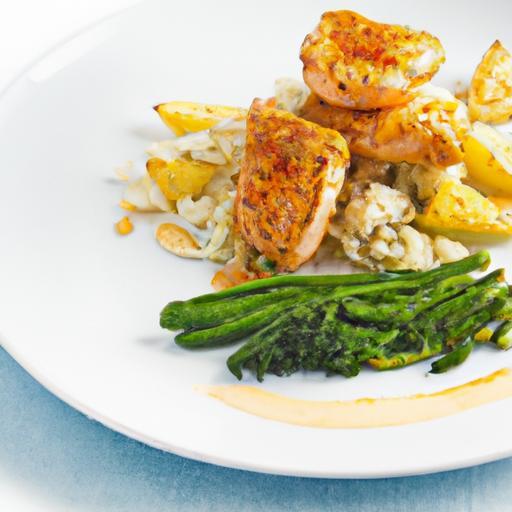
There’s something irresistibly satisfying about that first bite-the way a perfectly crisp crunch greets yoru senses, shattering with a snap that promises both texture and flavor. But achieving that flawless crunch isn’t just luck or a matter of tradition; it’s the result of intricate science working behind the scenes. From the moisture content in ingredients to the precise temperatures of frying or baking, every element plays a crucial role in unlocking that coveted crispy perfection. Join us as we dive deep into the fascinating world of culinary chemistry, where art meets science to reveal the secrets behind the perfect crispy crunch.
understanding the Role of Moisture and Temperature in Achieving Ultimate Crispiness
Unlocking the Science Behind the perfect Crispy Crunch starts with truly appreciating how moisture and temperature interact during cooking. Moisture is both a friend and foe-too much, and your food steams rather than crisps; too little, and it dries out before achieving that coveted golden texture.The secret lies in controlling moisture and mastering temperature to coax out crispiness that delights the senses with every bite.
When heat meets surface moisture, it begins to evaporate, creating a barrier of steam that can inhibit the browning necessary for crispiness.That’s why drying your ingredients thoroughly, or even allowing them to rest before cooking, makes a palpable difference.
Exploring the Science of Maillard Reaction for That Golden Crunch
The magical Maillard reaction is the chemistry behind the golden-brown, deeply flavorful crust that defines ultimate crispiness. Beginning at around 285°F (140°C), this complex reaction between amino acids and reducing sugars creates a mosaic of aromatic compounds and color on food surfaces.
Controlling your cooking temperature ensures the Maillard reaction proceeds without burning. Achieving that perfect temperature window results in a crunchy exterior with tantalizing depth-think crispy roasted potatoes or perfectly seared chicken skin.
Choosing the Right Ingredients and Cooking Methods for Texture Perfection
Certain ingredients naturally lend themselves to this textural treasure hunt. High-starch vegetables like potatoes and root vegetables crisp up beautifully when thinly sliced and blanched before roasting or frying. Proteins with minimal added water content-like chicken thighs or fish fillets-also crisp perfectly when patted dry and cooked at high heat.
As for methods, frying, roasting, and broiling are champions in the quest for crispiness. Air frying, an innovative modern method, strikes a balance by circulating hot air to draw moisture away efficiently. For an extra edge, tossing ingredients in light coatings-cornstarch, rice flour, or panko breadcrumbs-creates an additional crunchy shell.
Pro Tips and techniques to Elevate Your Crispy Crunch Experience
- Pat dry, Always: Before cooking, blot your ingredients with paper towels to remove excess moisture, a foundational step to crispiness.
- Mind Your Oil Temperature: For frying, maintain oil between 350°F and 375°F. Use a thermometer to keep the heat steady and prevent sogginess.
- Layer Wisely: Avoid overcrowding pans or trays; allow heat and air to circulate so every piece crisps evenly.
- Finish with Salt: Season instantly after cooking to enhance texture and flavor, as salt draws moisture back out.
- Double Fry for Ultimate Crunch: Fry once at a lower temperature to cook through, then again at a higher temperature to crisp the exterior.
Prep and Cook Time
- Preparation: 15 minutes
- Cooking: 25 minutes (varies by method)
Yield
Serves 4
Difficulty Level
Medium – requires close attention to temperature and moisture control
Ingredients
- 2 large russet potatoes, peeled and thinly sliced
- 3 tablespoons cornstarch
- 1 teaspoon kosher salt, divided
- 1/2 teaspoon freshly ground black pepper
- 1 quart vegetable oil (for frying)
- 1 teaspoon smoked paprika (optional for smoky flavor)
- Fresh rosemary sprigs (for garnish)
Instructions
- Prepare the potatoes: Rinse the sliced potatoes under cold water to remove excess starch. Soak in cold water for 30 minutes to an hour, then drain and pat completely dry with paper towels.
- Coat with cornstarch: In a large bowl, toss the dried potato slices with cornstarch until each piece is lightly coated to create a thin barrier for crispiness.
- Heat the oil: In a deep, heavy-bottomed pot or deep fryer, heat vegetable oil to 325°F (160°C). Use a thermometer for accuracy.
- First fry: Working in batches, fry the potato slices for 4-5 minutes until soft and cooked through but not browned.Remove with a slotted spoon and drain on paper towels.
- Increase oil temperature: Raise the heat to 375°F (190°C).
- Second fry: return the potatoes to hot oil and fry until golden brown and crispy, 2-3 minutes per batch. Drain on fresh paper towels immediately.
- Season: While still hot, sprinkle with kosher salt, black pepper, and smoked paprika if desired. Toss gently to coat.
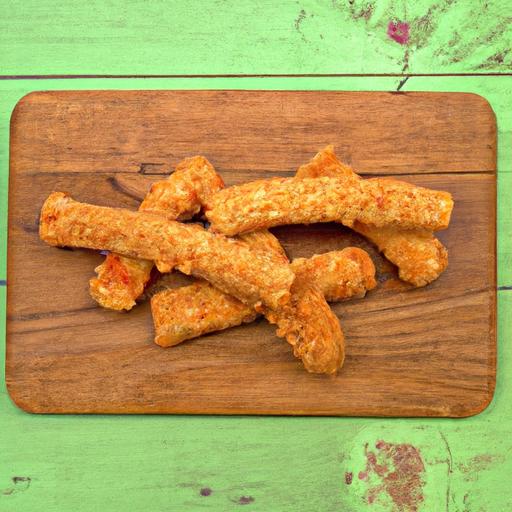
- Serve: Arrange on a platter and garnish with fresh rosemary sprigs for an aromatic finish.
Chef’s Notes
- For extra crispiness, after the first fry, cool the potatoes completely in a single layer to prevent steaming.
- Swap cornstarch for rice flour for a lighter, crunchier texture if preferred.
- Use a spider strainer for easy batch handling when frying.
- These double-fried potatoes pair beautifully with aioli or spicy ketchup dips-serve immediately for best crunch.
- Make ahead by frying the first time and refrigerate; complete the second fry just before serving.
Serving Suggestions
Present your crispy creations on a slate or wood board to showcase their golden brilliance. Garnish with vibrant rosemary sprigs or a sprinkle of flaky sea salt for flavor pops and visual appeal. accompany with dipping sauces like garlic aioli, smoky chipotle mayo, or tangy tamarind chutney for a multi-dimensional experience that dances between textures and flavors.

| Nutrition (per serving) | Amount |
|---|---|
| Calories | 350 kcal |
| Protein | 4 g |
| Carbohydrates | 45 g |
| Fat | 18 g |
For deeper insight into Maillard reaction and cooking temperatures, visit the ScienceDirect Food Science Portal. Looking to master more texture techniques? Check out our ultimate Guide to Perfect Roast Vegetables.
Q&A
Q&A: Unlocking the Science Behind the Perfect Crispy crunch
Q1: What exactly causes that satisfying crispy crunch in foods like chips and fried snacks?
A: The secret lies in texture and moisture. When moisture is driven out of food during cooking-typically through frying, baking, or roasting-the remaining structure becomes rigid and brittle. This dehydration creates air pockets and a firm surface that fractures satisfyingly under pressure, producing that iconic crunch.
Q2: How does temperature play a role in achieving perfect crispiness?
A: Temperature is a crucial conductor in the crispy symphony. High heat causes rapid evaporation of water, leading to quicker crust formation before the interior becomes soggy. For example, frying at around 350°F (175°C) strikes a balance: it crisps the outer layer while keeping the inside tender. Too low, and the food absorbs oil, becoming greasy; too high, and it burns before crisping properly.
Q3: Is there a particular technique that enhances the crunch factor in baked goods?
A: Absolutely! Two words: dehydration and caramelization. Baking at lower temperatures for longer periods helps evaporate moisture gradually, resulting in a crisper texture. Additionally, sugar and starches caramelize under heat, adding crunch and depth of flavor. A light brushing of oil or butter can also foster golden, crackling surfaces.
Q4: Why do some vegetables become crispy while others stay soggy when cooked?
A: It’s all about cell structure and water content. Vegetables like kale and Brussels sprouts have sturdy cell walls and lower moisture, so when cooked properly, they lose water quickly and turn crisp. Conversely, high-moisture veggies like cucumbers or zucchini tend to release water slowly and can steam rather than crisp, resulting in softness unless pre-treated or cooked at very high temperatures.
Q5: How can home cooks replicate restaurant-level crunchiness without professional equipment?
A: Mastery lies in technique and patience. Start by patting foods dry to remove excess moisture, which inhibits crisping. Use oils with high smoke points-such as avocado or sunflower oil-for frying.Maintain consistent temperatures, avoid overcrowding your pan or baking sheet, and consider a rapid blast under the broiler or a rest on a wire rack to keep air circulating around your food as it cools.
Q6: Does the shape or size of the food influence its crunch?
A: Definitely! Smaller, thinner pieces have more surface area relative to their volume, allowing moisture to escape quickly and evenly, creating crunchier bites. Think delicate potato chips versus thick-cut fries-the thinner chip crisps faster and crisper, while a thick fry has a soft, fluffy interior buffered by a crispy shell.
Q7: Are there scientific ingredients that help enhance crispiness in recipes?
A: Yes, certain starches and coatings improve crisp. Cornstarch,rice flour,and tapioca starch absorb moisture and crisp up brilliantly when fried or baked. Additionally, a light dusting of baking powder can create tiny bubbles in batter, generating a porous, crunchy texture. These ingredients alter how moisture moves and how the surface interacts with heat.
Q8: What role does cooling play after cooking crispy foods?
A: Cooling is the unsung hero of crunch. Placing crispy foods on a wire rack instead of a solid plate allows steam to escape rather than collect underneath, preventing sogginess. as foods cool,residual moisture evaporates,and starches and proteins firm up,locking in that delightful crunch we crave.
Unlocking the science behind the perfect crispy crunch transforms cooking from guesswork into creative mastery, turning humble ingredients into irresistible culinary experiences. So next time you crave crunch, remember: moisture management, temperature control, and a little bit of chemistry are your best allies!
Final Thoughts
As we’ve explored, achieving that perfect crispy crunch is far more than a happy accident-it’s a delicate dance of science and art. From the molecular magic of Maillard reactions to the precise moisture balance and temperature control, every crunch tells a story of chemistry in motion.So next time you bite into that golden, crackling delight, remember you’re savoring the culmination of nature’s elements and human ingenuity working in harmony. Unlocking the secrets behind that irresistible crisp doesn’t just deepen our thankfulness-it invites us to experiment, innovate, and celebrate the unusual science hidden in every satisfying bite.