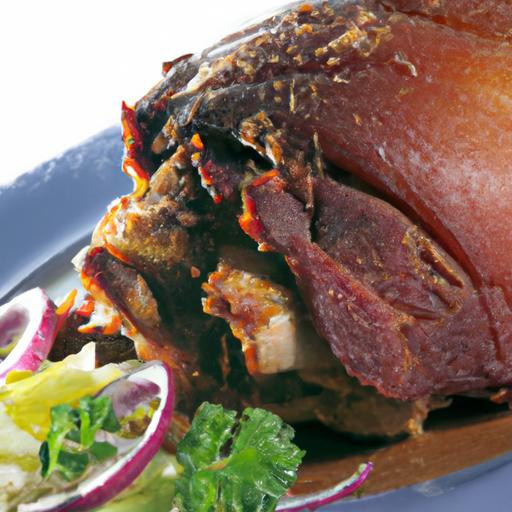

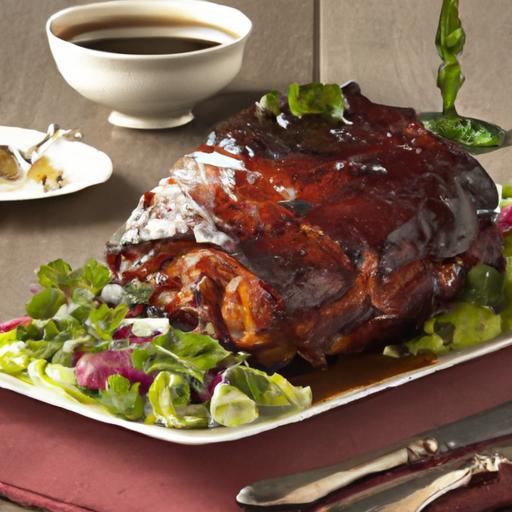
There’s a magic that happens when time meets fire,and nowhere is this more deliciously evident than in the slow-roasted pork shoulder. This humble cut of meat,often overlooked in the rush of weeknight dinners,transforms into a tender,flavorful masterpiece when treated with patience and care. The art of slow-roasting is a culinary journey-one that coax out rich, deep flavors and melt-in-your-mouth textures through hours of gentle heat. In this article, we’ll explore the secrets behind achieving pork shoulder perfection, from selecting the right cut to mastering seasoning and roasting techniques, so you can savor every tender, juicy bite. Welcome to the world where slow cooking turns pork shoulder into an unforgettable feast.
The art of slow-roasted pork shoulder: tender & flavorful begins with selecting the right cut and mastering the techniques that unlock its full potential. For culinary enthusiasts, this dish is more than just a meal-it’s a celebration of patience and deep, rich flavor. Originating from customary roasting methods passed down through generations, the slow-roasted pork shoulder stands out for its irresistible tenderness achieved through low and slow cooking. Prepare to embark on a culinary journey where every bite melts in your mouth, infused with layers of savory nuances.
Prep and Cook Time
- Planning Time: 20 minutes
- Marination Time: Minimum 8 hours (overnight recommended)
- Cooking Time: 5 to 6 hours (slow roast)
Yield
Serves 6 to 8 hungry guests comfortably
Difficulty Level
Medium – Requires patience and timing but effortless once underway
Ingredients
- 1 (5 to 6 lbs) pork shoulder roast,bone-in,skin on
- 4 cloves garlic,minced
- 2 tbsp smoked paprika
- 1 tbsp ground cumin
- 1 tbsp dried oregano
- 1 tbsp kosher salt
- 2 tsp freshly ground black pepper
- 1 tbsp brown sugar
- 1/4 cup olive oil
- 1/4 cup apple cider vinegar
- 1/2 cup chicken broth
- Fresh rosemary sprigs (optional,for roasting)
- 1 large onion,quartered (to create roasting bed)
- Chopped fresh parsley,for garnish
Instructions
- Prepare the marinade: In a medium bowl,whisk together minced garlic,smoked paprika,cumin,oregano,salt,pepper,brown sugar,olive oil, and apple cider vinegar until smooth and aromatic.
- Score the pork shoulder skin: Using a sharp knife, gently score the skin in a crosshatch pattern without cutting into the meat. This helps render the fat and achieve crispy edges.
- Apply the marinade: Rub the marinade generously all over the pork shoulder, ensuring every nook and cranny is coated. Place the pork in a large resealable bag or covered dish and refrigerate for at least 8 hours, preferably overnight, allowing the flavors to deeply penetrate the meat.
- Prepare the roasting setup: Preheat your oven to 275°F (135°C).In your roasting pan, scatter the quartered onions and fresh rosemary sprigs, creating a flavorful bed that elevates the roast and keeps it moist.
- Sear the pork shoulder: Remove the pork from marinade, shaking off excess but keeping the rub intact. Sear the pork in a hot skillet over medium-high heat, skin side down first, until golden brown and crispy, about 5 minutes per side. This step locks in juices and builds depth of flavor.
- Slow roast the pork: Place the pork shoulder on top of the onion bed in the roasting pan, skin side up. Pour the chicken broth around (not on) the meat to maintain moisture. Insert an oven-safe meat thermometer into the thickest part of the roast.
- Roast in the preheated oven for 5 to 6 hours, or until the internal temperature reaches 195°F (90°C). The long slow cook breaks down connective tissues for ultimate tenderness. Baste occasionally with pan juices to enhance flavor and keep the roast succulent.
- Rest the roast: Once cooked,tent the pork shoulder with foil and let it rest for 30 to 45 minutes. Resting redistributes the juices, ensuring each slice is juicy and tender.
- Serve: Slice or shred the pork. Garnish with freshly chopped parsley and serve alongside your favorite sides.
Tips for Success: Mastering the Art of Slow-Roasted Pork Shoulder
- Marinating overnight ensures the seasonings deeply permeate the meat, amplifying the flavor complexity.
- Choosing a bone-in cut adds moisture and imparts richness during slow roasting.
- If you prefer a crispier skin, you can broil the roast for the last 5 minutes, watching closely to avoid burning.
- Don’t skip resting-it’s the final secret to that melt-in-your-mouth tenderness.
- Use a digital meat thermometer for perfect doneness precision.
- Substitute chicken broth with vegetable broth for a lighter flavor or add a splash of apple juice for a subtle sweetness.
Serving Suggestions
This slow-roasted marvel shines when paired with classic roasted root vegetables, creamy mashed potatoes, or a radiant and crunchy coleslaw for contrast. Drizzle pan juices over sliced pork or serve alongside your favorite tangy barbecue sauce. For a rustic presentation, place slices atop a wooden board garnished with sprigs of rosemary, and accompany with crusty artisan bread to soak up every drop of flavorful jus.

| Nutrient | Per Serving (approx.) |
|---|---|
| Calories | 450 kcal |
| Protein | 38 g |
| Carbohydrates | 6 g |
| Fat | 28 g |
For those eager to explore more slow-cooking wonders, check out our Ultimate Slow-Cooked Beef Brisket Recipe. Enhance your kitchen arsenal and master the art of tender, flavor-packed meals every time.
Q&A
Q&A: The Art of Slow-Roasting for Tender & Flavorful Meat
Q1: What makes slow roasting such an effective cooking method?
A1: Slow roasting gently bathes your meat in consistent, low heat over several hours. This gradual process breaks down tough connective tissues and melts fat slowly, resulting in a tender, juicy texture and richly developed flavors that fast cooking simply can’t achieve.Q2: How do I prepare the meat before slow roasting?
A2: Start with a well-seasoned piece of meat. A generous rub of salt, spices, and herbs enhances the natural flavors and forms a flavorful crust during roasting. For best results, let the seasoned meat rest at room temperature before placing it in the oven, ensuring even cooking.
Q3: What temperature range is ideal for slow roasting?
A3: Generally,slow roasting works best at temperatures between 225°F and 275°F (about 110°C to 135°C). This low heat setting allows the meat fibers to relax and gradually tenderize without drying out.
Q4: Is it necessary to cover the meat while slow roasting?
A4: Covering the meat with foil or a lid can help retain moisture and create a steaming surroundings, promoting tenderness. however, leaving it uncovered during the last phase helps develop a beautifully browned, caramelized crust.
Q5: How do I know when the meat is perfectly cooked?
A5: Use a meat thermometer to monitor internal temperature; slow-roasted cuts often reach a range where the collagen has fully broken down-not just “done,” but perfectly tender. Additionally, the meat should feel soft and pull apart easily with a fork.Q6: Can resting the meat after slow roasting improve the final dish?
A6: Absolutely! resting allows juices to redistribute evenly throughout the meat, preventing them from spilling out and leaving the roast juicy. A 15 to 30-minute rest under loose foil is usually ideal.
Q7: What kinds of flavor profiles work well with slow roasting?
A7: Bold,earthy herbs like rosemary,thyme,and sage complement the rich flavors developed during slow roasting. Spices such as smoked paprika,cumin,or garlic powder add depth and warmth,while a touch of acidity from citrus zest or vinegar helps balance richness.
Q8: How does slow roasting differ from braising?
A8: While both methods aim for tenderness, slow roasting uses dry heat in an oven, allowing the surface to brown and crisp. Braising involves cooking in liquid on low heat, producing a moister, stew-like result. Each imparts different textures and flavors to the final dish.
Q9: Can slow roasting be adapted for smaller portions?
A9: Yes! The key is to adjust the cooking time accordingly-smaller pieces will require less time but should still be cooked at low temperatures to achieve the desired tenderness and flavor complexity.
Q10: What are some common mistakes to avoid when slow roasting?
A10: Avoid cooking at too high a temperature, which can dry out the meat or leave it tough. Skipping seasoning or not allowing the meat to rest can also negatively affect flavor and juiciness. resist the urge to cut into the meat immediately after cooking-patience is key!
closing Remarks
In the world of cooking, few dishes capture the essence of patience and flavor quite like slow-roasted pork shoulder. This culinary art transforms a humble cut of meat into a tender, juicy masterpiece that melts effortlessly on the tongue and delights the senses with every bite. By embracing the slow-roasting process, you not only unlock layers of savory richness but also honour a timeless tradition that celebrates care, time, and craftsmanship.So next time you seek a dish that marries comfort with complexity, remember: grate things come to those who wait-and in the case of pork shoulder, that wait is richly rewarded.