

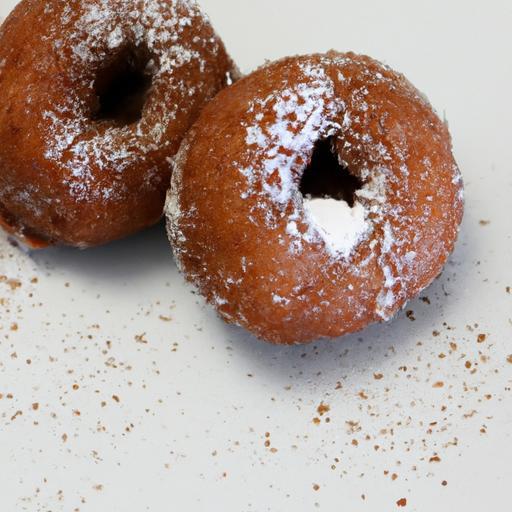
There’s something undeniably delightful about a warm, fluffy donut fresh from teh fryer-a timeless treat that never fails to bring a smile. But what if this classic indulgence took a delicious detour into the world of wholesome ingredients? Enter almond flour donuts: a nutty twist that transforms the traditional recipe into a gluten-free, protein-packed delight without sacrificing that irresistible, melt-in-your-mouth texture. In this article, we’ll explore how almond flour reinvents the humble donut, blending taste and nutrition in a way that’s perfect for both health-conscious foodies and sweet lovers alike. Get ready to discover a new favorite that’s as satisfying as it is surprising.
The Nutritional Benefits That Make Almond Flour Donuts a Healthy Indulgence
Almond flour donuts offer a delicious option to traditional donuts by combining indulgence with a nutritious boost. Made primarily from finely ground almonds, these donuts are naturally gluten-free, packed with healthy fats, fiber, and protein. The rich vitamin E content supports skin health and acts as a powerful antioxidant, while magnesium helps regulate blood sugar and reduce inflammation. Unlike conventional donuts made with refined flour and sugar, almond flour donuts provide sustained energy without a sharp crash, making them an ideal treat for those seeking balance in their diet without sacrificing flavor.
By incorporating almond flour into your baking, you are embracing a heart-friendly option that supports better digestion and blood health. Plus, the low-carb nature of these donuts makes them well-suited for keto and paleo diets, expanding their appeal to health-conscious bakers and foodies alike.
Mastering the perfect Texture Balancing Moisture and Crumb in Almond Flour Donuts
Achieving the perfect crumb in almond flour donuts is a delicate dance of moisture and structure. Because almond flour lacks the gluten that traditionally provides elasticity, balancing wet ingredients like eggs and almond milk is essential to maintain tenderness without becoming dense. Incorporating a small amount of baking powder or soda introduces gentle lift, while mixing the batter just until combined prevents a gummy texture.
The secret lies in allowing the batter to rest briefly before baking, which lets the almond flour fully hydrate and ensures a more cohesive crumb. Using oil or butter adds richness and moistness, contrasting beautifully with the donut’s nutty base. Once out of the oven, letting the donuts cool entirely helps them set, preventing crumbling when handled.
Flavor Pairings and Toppings That elevate Your Nutty donut Experience
Almond flour donuts shine brightest when paired with flavors that complement their natural sweetness and nutty profile. Classic options include a dusting of cinnamon sugar or a drizzle of rich dark chocolate glaze that adds depth and a hint of bitterness. Fresh berries, like raspberries or blueberries, bring a vibrant contrast that balances the donut’s richness with radiant, tart notes.
for a complex twist, try topping with toasted coconut flakes or crushed pistachios for added texture and visual appeal. A dollop of whipped coconut cream or a smear of almond butter can enhance mouthfeel and create a harmonious flavor layering. Don’t underestimate a simple glaze made from maple syrup and lemon zest-its citrus brightness cuts through the donut’s buttery flavor delightfully.
Step by Step Guide to baking Almond Flour Donuts at Home with Expert Tips
Prep and Cook Time
- Prep Time: 15 minutes
- Cook Time: 12 minutes
- total Time: 27 minutes
Yield
8-10 donuts
Difficulty Level
Easy to Medium - perfect for bakers new to gluten-free flours or donut making
ingredients
- 1 ¾ cups almond flour, finely ground
- ¼ cup coconut sugar or light brown sugar, packed
- 1 tsp baking powder
- ½ tsp baking soda
- ¼ tsp sea salt
- 3 large eggs, room temperature
- ¼ cup unsweetened almond milk
- 3 tbsp melted coconut oil or unsalted butter
- 1 tsp pure vanilla extract
instructions
- Preheat your oven to 350°F (175°C).Lightly grease a donut pan with coconut oil or non-stick spray.
- In a large bowl, whisk together almond flour, coconut sugar, baking powder, baking soda, and salt until evenly combined.
- in a separate bowl, beat the eggs with almond milk, melted coconut oil, and vanilla extract until smooth and slightly frothy.
- Pour the wet mixture into the dry ingredients. Gently fold using a spatula until just combined; avoid overmixing to maintain tenderness.
- Let the batter rest for 5 minutes to hydrate the almond flour fully, avoiding a crumbly donut.
- Fill each donut cavity in the prepared pan about ¾ full, smoothing the tops with the back of a spoon or piping bag for even rising.
- Bake for 10-12 minutes until the tops are golden and a toothpick inserted in the center comes out clean.
- Allow the donuts to cool in the pan for 5 minutes, then gently remove and transfer to a wire rack to cool completely before glazing or topping.
Chef’s Notes and Tips for Success
- For a finer crumb, sift your almond flour or pulse it briefly in a food processor.
- If you prefer sweeter donuts, increase coconut sugar by 1-2 tablespoons.
- to keep donuts moist for longer, store in an airtight container at room temperature for up to 2 days or refrigerate for up to 5 days.
- Try swapping almond milk for oat or cashew milk for a creamier batter.
- For an extra fluffy texture, separate eggs and whip the whites to soft peaks before folding in gently.
Serving Suggestions
Present these almond flour donuts on a rustic wooden board or colorful ceramic plate for a charming touch. A light dusting of powdered sugar or cinnamon works beautifully on bare donuts, while glazing with melted dark chocolate or a maple-lemon icing instantly elevates their appearance and taste.
Garnish with fresh mint leaves, crushed nuts, or edible flowers for a stunning finish perfect for brunch or afternoon tea.Pair with a cup of matcha latte or your favorite herbal tea to complement their nutty flavor.
| Nutrient | Per Donut (Approx.) |
|---|---|
| Calories | 180 kcal |
| Protein | 6 g |
| carbohydrates | 9 g |
| Fat | 14 g |

for more inspiration and variations on almond-based baked goods, check out our guide to almond flour baking basics. To dive deeper into the health science behind almonds, visit Harvard’s Nutrition Source on Tree Nuts.
Q&A
Q&A: Almond Flour Donuts – A Nutty Twist on a Classic Treat
Q1: What makes almond flour donuts diffrent from regular donuts?
A1: Almond flour donuts swap traditional wheat flour for finely ground almonds, lending a rich, nutty flavor and a moist, tender crumb. this substitution not only enhances taste but also offers a gluten-free alternative ideal for those with dietary restrictions.
Q2: Are almond flour donuts healthier than classic donuts?
A2: While donuts remain an indulgence, almond flour donuts often contain more protein, healthy fats, and fiber thanks to the almonds. They typically have a lower glycemic index and fewer carbohydrates than their wheat flour counterparts, making them a slightly more nourishing choice.
Q3: How does almond flour effect the texture of the donuts?
A3: Almond flour creates a softer, denser donut with a slightly crumbly yet tender texture.Unlike light and fluffy wheat donuts, almond flour treats are rich and moist, providing a satisfying bite packed with flavor.
Q4: Can almond flour donuts be made without eggs?
A4: Yes! Eggs act as a binder and leavening agent, but egg substitutes like flaxseed meal mixed with water, applesauce, or mashed banana can work well in almond flour donut recipes, especially when combined with baking powder for lift.
Q5: What flavors pair best with almond flour donuts?
A5: Almond flour’s natural nuttiness harmonizes beautifully with spices like cinnamon, nutmeg, and cardamom. Citrus zest, such as orange or lemon, adds bright notes, while additions like vanilla, cocoa, or fresh berries turn each bite into a flavorful adventure.
Q6: How should almond flour donuts be stored to maintain freshness?
A6: As almond flour tends to retain moisture, these donuts stay tender longer. Store them in an airtight container at room temperature for up to two days. For extended freshness, refrigerate and enjoy within a week or freeze for up to a month, reheating gently before serving.
Q7: Can almond flour donuts be baked instead of fried?
A7: Absolutely! Almond flour donuts adapt beautifully to baking, resulting in a lighter, less greasy treat. Using a donut pan, you can easily achieve a golden crust while preserving the moist, nutty interior characteristic of almond flour.
Q8: Are almond flour donuts suitable for people with nut allergies?
A8: Since almond flour is derived from almonds, these donuts are not safe for individuals with tree nut allergies. however, similar recipes can be made using seed-based flours like sunflower seed flour for those who need a nut-free substitute.
Q9: What’s a quick glaze or topping that complements almond flour donuts?
A9: A simple dusting of cinnamon sugar enhances almond flavor, while a glaze made from maple syrup or honey mixed with a touch of lemon juice offers a sweet, tangy finish. Toasted sliced almonds or shredded coconut on top add delightful texture and visual appeal.
Q10: Why are almond flour donuts gaining popularity among home bakers?
A10: With rising interest in gluten-free and high-protein baking, almond flour donuts offer a delicious blend of nutrition and indulgence. their ease of readiness, paired with versatile flavor possibilities, makes them a favorite for anyone craving a classic treat with a wholesome twist.
Final Thoughts
whether you’re craving a cozy morning bite or a sweet afternoon pick-me-up, almond flour donuts offer a delightful twist that’s both satisfying and a bit more nourishing than the classic version. With their tender crumb,subtle nuttiness,and naturally gluten-free appeal,these donuts prove that indulgence doesn’t have to come at the expense of nutrition. So next time you want to treat yourself or impress guests with something unique, give almond flour donuts a whirl-your taste buds (and your body) will thank you for the nutty upgrade to a timeless favorite.