
In a world where diet trends come and go like fleeting shadows,one approach has steadfastly carved its niche-keto. More than just a buzzword or a passing fad, teh ketogenic lifestyle taps into the body’s remarkable ability to adapt and thrive on low carbohydrates. But what exactly happens beneath the surface when we slash carbs and embrace fat as fuel? “Unlocking Keto: The science Behind Low-Carb Living” dives deep into the metabolic mysteries and biochemical breakthroughs that make this dietary shift more than a lifestyle choice-it’s a transformative journey powered by science. Join us as we unravel the interesting interplay between nutrition and physiology that defines keto living, illuminating how cutting carbs can unlock new levels of energy, health, and vitality.
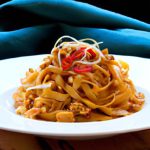
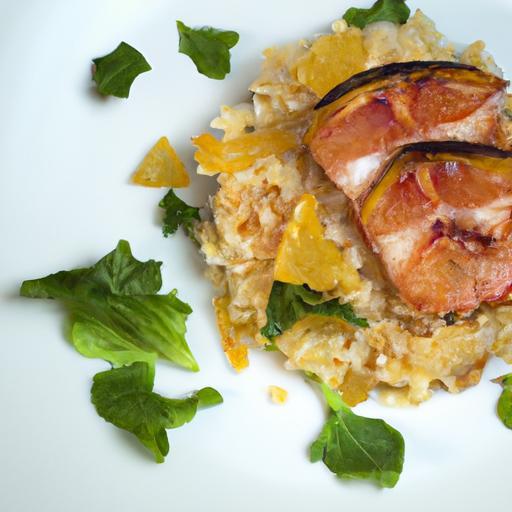
Unlocking Keto: The Science behind Low-Carb Living is your gateway to mastering the intricate balance of macronutrients while embracing the remarkable metabolic state of ketosis. This transformative dish celebrates the harmony of fat, protein, and minimal carbs-fueling your body efficiently and deliciously. Drawing inspiration from Mediterranean flavors, it nurtures both energy and satisfaction, embodying the essence of a lasting keto lifestyle.
Prep and cook Time
Prep: 15 minutes | Cook: 20 minutes | total: 35 minutes
Yield
Serves 4 hearty portions
Difficulty Level
Easy – perfect for keto beginners and seasoned enthusiasts alike
ingredients
- 2 tbsp extra virgin olive oil
- 1 medium zucchini, spiralized into noodles
- 1 cup baby spinach, washed and dried
- 1 cup cherry tomatoes, halved
- 200g (7 oz) boneless, skinless chicken breast, diced
- 1/4 cup heavy cream
- 1/3 cup grated Parmesan cheese
- 2 cloves garlic, minced
- 1/2 tsp smoked paprika
- Salt and freshly ground black pepper, to taste
- Fresh basil leaves, for garnish
- 1 tbsp chopped walnuts (optional, for crunch and omega-3 boost)
Instructions
- Heat the extra virgin olive oil in a large skillet over medium heat. Add the diced chicken breast and season with salt, pepper, and smoked paprika. Sauté until the chicken is cooked through and lightly browned, about 7-8 minutes, stirring occasionally to ensure even cooking.
- Add the minced garlic to the skillet and sauté for an additional 1 minute until fragrant, taking care not to burn it.
- Stir in the cherry tomatoes and baby spinach; cook until the spinach wilts and tomatoes soften, about 3 minutes.
- Reduce the heat to low and pour in the heavy cream, stirring to combine thoroughly with the other ingredients. Allow the sauce to gently simmer for 3 minutes until slightly thickened.
- In a separate pan, lightly sauté the zucchini noodles for 2-3 minutes just to soften them while preserving their vibrant texture.
- Fold the sautéed zucchini noodles into the skillet with the creamy chicken mixture and sprinkle the Parmesan cheese over the top. Stir gently to melt the cheese into the sauce, coating the noodles evenly.
- Remove from heat and season with additional salt and pepper to taste.
- Garnish with fresh basil leaves and a sprinkle of chopped walnuts for a delightful crunch and nutrient boost.
- Serve immediately for best texture and flavor, showcasing the vibrant colors and rich aroma of this keto-friendly masterpiece.
Chef’s Notes
- For a dairy-free twist, swap heavy cream for full-fat coconut milk and Parmesan for nutritional yeast to maintain the creamy consistency and umami flavor.
- If you prefer a higher protein content, add sautéed shrimp or turkey breast as alternatives while keeping carbs minimal.
- To keep noodles from becoming soggy, always sauté zucchini briefly and toss them with the sauce just before serving.
- This dish reheats well; store leftovers in an airtight container in the fridge for up to 2 days and reheat gently over low heat.
- Incorporate a pinch of chili flakes if you enjoy a subtle heat that complements the creamy richness beautifully.
Serving Suggestions
Plate this creamy keto skillet with a side of crisp mixed greens tossed in lemon vinaigrette to cut through richness. For enhanced texture, finish with a drizzle of extra virgin olive oil and cracked black pepper. This dish shines when garnished with torn fresh basil and a light scatter of toasted walnuts, making each bite a party of flavor and health.
| Nutrient | Per Serving |
|---|---|
| Calories | 410 kcal |
| Protein | 35 g |
| Carbohydrates | 7 g |
| fat | 25 g |

Discover more low-carb meal inspirations and keto-friendly cooking techniques in our Keto Meal Plans section. For detailed scientific insights into ketogenic metabolism, check out this comprehensive overview by the Healthline Keto Guide.
Q&A
Unlocking Keto: The Science Behind Low-Carb Living – Q&A
Q1: What exactly is the ketogenic diet,and why has it become so popular?
A: the ketogenic diet,often simply called keto,is a low-carb,high-fat eating plan designed to shift your body’s energy source from glucose (sugar) to fat. By drastically reducing carbohydrate intake, your liver starts producing ketones from fats-a process called ketosis-which your brain and body use as fuel. Its popularity stems from reported benefits like weight loss, improved mental clarity, and stable energy levels, making it more than just a trend but a science-backed lifestyle choice.
Q2: How does ketosis differ from simply low-carb eating?
A: While low-carb diets reduce carbohydrate intake, ketosis specifically refers to a metabolic state where your body produces ketones as an option fuel. Not all low-carb diets induce ketosis; the carb limit is typically around 20-50 grams per day to enter and maintain this state. The magic of ketosis is that it transforms your metabolism, encouraging fat burning rather than relying on glucose, which can have profound effects on energy and body composition.
Q3: What role do fats play in a ketogenic diet? Are all fats created equal?
A: Fats are the star players in keto-they become your primary energy source once you’re in ketosis. however, quality matters. Healthy fats like avocados, olive oil, nuts, seeds, and fatty fish provide essential nutrients and support heart health. Meanwhile, trans fats and overly processed oils should be minimized. Embracing wholesome fats fuels your body efficiently while nourishing it at a cellular level.
Q4: Can keto affect brain function and mental clarity?
A: Absolutely! Ketones are a more stable and efficient energy source for your brain compared to glucose. Many people report improved focus, sharper mental clarity, and reduced brain fog when in ketosis. Some research even suggests ketogenic eating can support neurological health, making it a fascinating area of study for conditions like epilepsy and neurodegenerative diseases.
Q5: Is it sustainable to follow a ketogenic diet long term?
A: sustainability varies from person to person. Some thrive on keto indefinitely, enjoying its satiating effects and metabolic benefits. Others may choose to cycle in and out or adopt a more moderate low-carb lifestyle. The key is personalizing the approach-listening to your body, balancing your nutrient intake, and ensuring you meet your unique lifestyle needs.
Q6: What are common challenges when starting keto, and how can they be overcome?
A: The “keto flu” is a well-known hurdle-symptoms like fatigue, headaches, and irritability as your body adapts to burning fat. Staying hydrated, replenishing electrolytes (like sodium, potassium, and magnesium), and gradually reducing carbs can ease this transition. Planning meals ahead with nutrient-rich, low-carb foods also helps maintain energy and motivation.
Q7: How does keto impact athletic performance and exercise?
A: initially, keto may feel like a slowdown as your body adapts to burning fat, but in time, many athletes notice increased endurance and more stable energy during prolonged activities. High-intensity bursts can be challenging due to limited glycogen stores, but targeted carb intake around workouts (sometimes called “cyclical keto”) can support performance without knocking you out of ketosis.
Q8: what are some delicious, keto-friendly foods to focus on?
A: think vibrant, nutrient-dense ingredients like leafy greens, cruciferous vegetables, eggs, nuts, seeds, full-fat dairy, avocados, and fatty fish like salmon or mackerel. Incorporating herbs and spices adds flavor without extra carbs, inviting creativity in the kitchen while staying true to keto principles.
Q9: Are there any myths about keto that you’d like to clear up?
A: A big myth is that keto means eating endless bacon and cheese-while these can be part of the diet, balance and nutrient quality are essential. Another misconception is that keto strips you of energy; in fact, once adapted, many experience the opposite. Lastly, some fear it’s risky for the heart, but when done thoughtfully-with emphasis on healthy fats and whole foods-it can be heart-friendly.
Q10: Who should approach the ketogenic diet with caution?
A: People with certain medical conditions such as pancreatitis, liver disease, or some metabolic disorders should consult healthcare professionals before starting keto. Pregnant or breastfeeding individuals should also seek personalized advice. As with any dietary change, personalized guidance ensures safety and effectiveness.
Unlocking the secrets of keto is about more than cutting carbs-it’s about understanding how your metabolism works and leveraging that knowledge to fuel your body and mind optimally. Dive in with curiosity, patience, and a dash of culinary adventure!
The Way Forward
As we peel back the layers of keto’s scientific foundation, it becomes clear that this low-carb lifestyle is more than just a trend-it’s a metabolic recalibration grounded in biology and backed by research. From the intricate dance of hormones to the body’s remarkable ability to switch fuel sources, unlocking keto offers a pathway to renewed energy, mental clarity, and metabolic flexibility.While it’s not a one-size-fits-all solution, understanding the science empowers you to make informed choices tailored to your unique health journey. So whether you’re curious or committed, embracing the crossroads of nutrition and metabolism might just be the key to unlocking a healthier, more vibrant you.