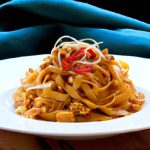

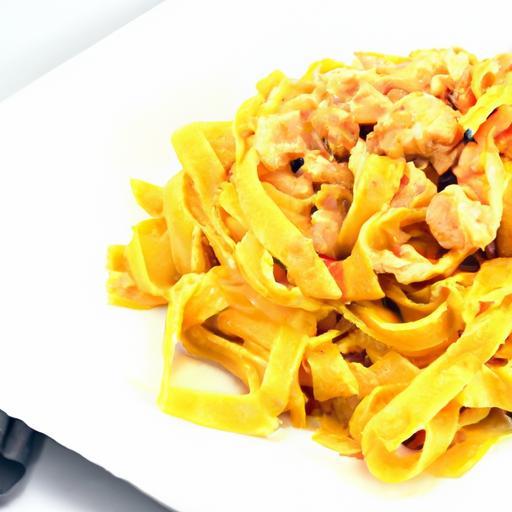
In a world where energy fuels ambition and every meal is an prospect to power up, pasta has never been just a comforting carb. Welcome to the era of power-packed pasta-dishes designed not only to delight your taste buds but also to turbocharge your body with muscle-building, hunger-slaying protein. Whether you’re an athlete pushing limits, a busy professional seeking sustained stamina, or simply a food lover aiming for balanced nutrition, these top high-protein pasta recipes will transform your plate into a powerhouse. Get ready to toss tradition aside and twirl into a world where flavor meets function, and every bite fuels your journey toward strength and vitality.
The Science Behind Protein and Pasta Fusion
Power-packed Pasta is more than just a comforting meal – it’s a delicious balance of science and flavor that elevates your energy and vitality. Combining protein with pasta isn’t new, but understanding the fusion helps you unlock its full potential.
Protein and pasta fusion hinges on the concept of complementary nutrients. Pasta,primarily a source of complex carbohydrates,fuels your muscles with slow-digesting energy. protein,on the other hand,repairs and builds those muscles,ensuring sustained performance and recovery. When you combine them thoughtfully, you create a dynamic duo that keeps you full, satisfied, and fueled longer.
Choosing high-quality proteins boosts this effect. Lean plant-based options like chickpeas or lentils, or animal sources such as chicken or eggs, lend variety and texture.The synergy between protein and the pasta base also affects digestion and glycemic response,which means your body absorbs nutrients more steadily.This is the true secret behind protein and pasta fusion: a balanced, nutrient-dense meal that supports peak physical and mental function.
Choosing the Best High-Protein Ingredients for Your Pasta
selecting proteins that complement your pasta is key for flavor, texture, and nutrition. for a vibrant Power-Packed Pasta plate, focus on ingredients rich in essential amino acids and easy to cook alongside customary or choice pasta varieties.
- Legumes: Chickpeas, lentils, and edamame add a plant-powered protein punch with splendid textures like creamy or firm.
- Chicken Breast: Skinless, boneless, and grilled or shredded for lean, satisfying protein that soaks up sauces beautifully.
- Eggs: Soft-boiled or poached eggs provide a silky touch of richness and an extra protein boost to your dish.
- Quinoa or Amaranth Pasta: These alternative pastas are naturally high in protein and offer a slightly nutty flavor, perfect to mix with other ingredients.
- Ricotta or Feta cheese: creamy, tangy cheeses add protein and luxurious texture while enhancing flavor complexity.
Each choice brings its own nutritional profile, colors, and textures to your pasta plate. Mixing and matching elevates the experience and keeps weeknight dinners exciting.
Creative Recipes to Supercharge Your Pasta Plate
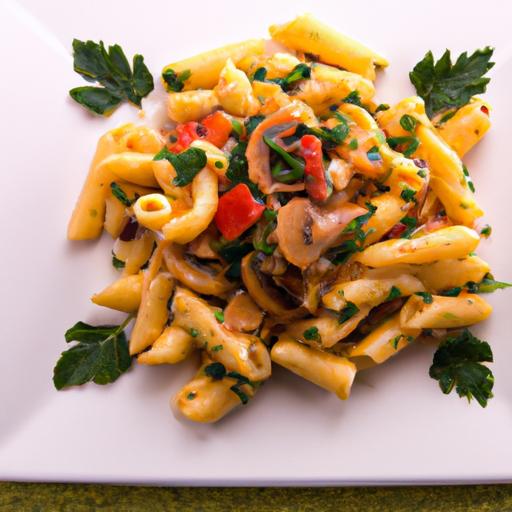
Infusing your Power-Packed Pasta with bold protein variations can transform your cooking routine. Picture al dente quinoa pasta tossed with a vibrant lemon-garlic chickpea sauce, crowned with fresh spinach and toasted pine nuts.or succulent grilled chicken ribbons folded into a creamy roasted red pepper and ricotta blend – each bite bursting with layers of texture and flavor.
Another inspired idea is a silky poached egg atop whole wheat linguine, drizzled with herbed olive oil and sprinkled with toasted almonds. The egg yolk melts effortlessly, creating a luscious sauce that complements nutrient-dense legumes or vegetables stirred through your pasta.
by turning these combinations into ritualistic plates, Power-Packed Pasta becomes not simply a meal but an empowering culinary experience designed to fuel your best self.
Tips for Balancing Flavor and Nutrition in Power-Packed Pasta
Perfecting the balance between flavor and nutrition turns your pasta from ordinary to remarkable. Start by seasoning your high-protein ingredients thoughtfully. A pinch of smoked paprika or a splash of citrus juice can awaken depth without adding calories or fat.
Use fresh, aromatic herbs like basil, parsley, or cilantro to create brightness and aroma. Don’t shy away from crunchy elements, such as toasted nuts or seeds, that add visual contrast and textural excitement.
For sauces, lean toward vegetable-based blends or light cream alternatives (think pureed cauliflower or cashews) that marry well with protein sources without overpowering them. Maintaining a vibrant color palette via varied veggies ensures your plate is as appealing to the eye as it is nourishing.
Lastly, control portion sizes of pasta and protein to suit your energy needs. For those aiming at muscle synthesis or sustained energy, a higher protein-to-carb ratio works wonders, while lighter meals can pivot toward vegetable-rich, lower-calorie options – all within the Power-Packed Pasta philosophy.
Prep and Cook Time
- Prep Time: 15 minutes
- Cook Time: 20 minutes
Yield
Serves 4 energizing portions
difficulty Level
Easy to Medium – approachable for weeknight cooks seeking nourishing meals
Ingredients
- 8 oz quinoa pasta
- 1 cup cooked chickpeas, rinsed and drained
- 1 small red bell pepper, diced
- 2 cups fresh spinach, roughly chopped
- 2 cloves garlic, minced
- 1 tbsp olive oil
- 1 lemon, zested and juiced
- 1/4 cup toasted pine nuts
- 1/3 cup crumbled feta cheese
- Salt and freshly ground black pepper, to taste
- 1/4 tsp smoked paprika (optional)
- Fresh basil leaves, for garnish
Instructions
- Cook the quinoa pasta according to package instructions. Drain well and set aside, reserving 1/4 cup of pasta water.
- While the pasta cooks, heat olive oil in a large skillet over medium heat. Sauté minced garlic until fragrant,about 1 minute.
- Add diced red bell pepper and cook until slightly softened, about 3-4 minutes. Stir occasionally to prevent sticking.
- Mix in cooked chickpeas and fresh spinach. Cook for another 2-3 minutes until spinach wilts and chickpeas are heated through.
- Sprinkle in smoked paprika, salt, and pepper. Stir to combine all flavors.
- Add the cooked quinoa pasta to the skillet. Toss gently to combine. If the mixture feels dry, add reserved pasta water a tablespoon at a time to loosen.
- Stir in lemon zest, lemon juice, and crumbled feta cheese, letting the cheese soften slightly into the pasta.
- Remove from heat. Sprinkle toasted pine nuts and fresh basil leaves on top for a crunchy, aromatic finish.
- Serve warm and enjoy the satisfying harmony of taste and nourishment.
Chef’s Notes
- Protein Variations: Swap chickpeas with cooked lentils or shredded grilled chicken for different textures and flavors.
- Pasta Alternatives: Feel free to use whole wheat or lentil-based pasta to increase protein content further.
- Make-Ahead Tips: Prepare pasta and sautéed veggies separately. Combine just before serving to retain freshness.
- flavor Enhancements: Add a pinch of red chili flakes for heat or a drizzle of tahini for creaminess.
- Storage: Refrigerate leftovers in an airtight container for up to 2 days. Reheat gently to avoid drying.
serving Suggestions
Present your Power-Packed Pasta in shallow bowls,garnished with vibrant basil leaves and an extra sprinkle of feta cheese. A light side salad of arugula with lemon vinaigrette complements the dish perfectly. For an indulgent twist, serve a poached egg on top – the runny yolk blends beautifully into the pasta, enriching every bite.
Pair with sparkling water infused with cucumber and mint for a refreshing balance that cleanses the palate and keeps the meal feeling light yet satisfying.
| Nutritional Info (Per Serving) | Calories | Protein (g) | Carbs (g) | Fat (g) |
|---|---|---|---|---|
| Power-Packed Pasta | 420 | 25 | 50 | 10 |

For enriching your knowledge on the benefits of plant-based proteins, check out Healthline’s complete guide.
Explore even more protein-rich pasta recipes in our high-Protein Pasta recipes Collection for endless inspiration.
Q&A
Power-Packed Pasta: top High-Protein Recipes to Fuel You – Q&A
Q1: Why should I consider adding more protein to my pasta dishes?
A1: Protein is a vital macronutrient that helps build and repair muscles, supports immune function, and keeps you feeling satiated for longer. traditional pasta dishes often lean heavily on carbs, which provide energy but might not keep you fueled throughout the day. By incorporating protein-rich ingredients, you create balanced meals that boost endurance, support recovery, and keep hunger at bay-perfect for active lifestyles or anyone looking for lasting fuel.
Q2: What are some clever ways to increase protein content in pasta without overwhelming the flavors?
A2: The magic lies in layering protein thoughtfully. Start with legumes like lentils or chickpeas blended into sauces or tossed with noodles. Add sautéed tofu or tempeh cubes with herbs and spices to complement your pasta base. Don’t overlook high-protein vegetables such as spinach, broccoli, or edamame. Finishing dishes off with nuts or seeds-think toasted pine nuts or hemp seeds-adds crunch and extra protein. Even enriching sauces with Greek yogurt or cottage cheese can give you a creamy texture and protein bump without overpowering your palate.
Q3: Are there particular types of pasta that help increase the protein content?
A3: Absolutely! Beyond the classic semolina pasta, many brands offer high-protein varieties made from lentils, chickpeas, black beans, or edamame. These legumes not only raise protein values but bring unique textures and earthy flavors that enliven your plate. Whole wheat pasta also contains more protein than regular refined pasta, along with additional fiber-perfect for a hearty, nutrient-dense meal.
Q4: How can plant-based eaters enjoy power-packed pasta dishes?
A4: Plant-based eaters have a treasure trove of protein options for pasta. Combining pulses-like red lentils or black beans-with whole-grain or legume-based pasta creates a hearty profile. Nutritional yeast sprinkled on top adds a cheesy, umami punch as well as extra protein.Incorporating a medley of roasted vegetables with tofu or tempeh cubes can add texture and substance. The key is mixing diverse protein sources and seasonings to keep things vibrant and satisfying.
Q5: What is an example of a quick, high-protein pasta recipe perfect for busy days?
A5: Try a zesty chickpea and spinach linguine. Sauté garlic and chili flakes in olive oil, then toss in cooked chickpeas, fresh spinach, and cooked linguine.Finish with a squeeze of lemon and a generous sprinkle of toasted almonds or pumpkin seeds. This recipe is not only fast but packs plant-powered protein and greens, making it a balanced, energizing meal in under 30 minutes.
Q6: How vital is the balance between protein, fats, and carbs in a pasta meal?
A6: striking the right balance is crucial for sustained energy and wellbeing. Pasta supplies complex carbs for fuel; protein helps with muscle maintenance and satiety, and healthy fats aid in nutrient absorption and brain health. Integrating all three keeps blood sugar steady and optimizes digestion. Think of your plate as a trio orchestra where pasta leads with carbs-but protein and fats add harmony and depth.
Q7: Can high-protein pasta recipes support fitness goals like muscle gain or weight management?
A7: definitely! Protein supports muscle repair and growth, which is essential for strength training and recovery. for weight management, protein helps curb cravings and promote fullness, reducing the likelihood of overeating. High-protein pasta recipes provide a delicious,convenient way to nourish your body with the right building blocks while satisfying your taste buds.
Q8: How can I avoid my pasta dishes becoming to heavy or “protein overload”?
A8: Moderation and balance are key. Choose lean protein sources or plant-based options that digest easily. incorporate plenty of vegetables to lighten the dish and add fiber. Rather than piling on protein ingredients, aim for complementary flavors and textures that enhance the dish naturally. Remember, the goal is a power-packed plate that feels energizing-not weighed down.
Q9: Any tips for boosting protein in classic pasta sauces?
A9: Yes! Stir in cooked lentils or white beans into tomato-based sauces to thicken and enrich them naturally. Adding a dollop of nut-based pesto or blending silken tofu into creamy sauces can up the protein without altering taste drastically.Sprinkle grated hard cheeses like Parmesan-or plant-based alternatives-sparingly for that savory hit. These small adjustments turn everyday sauces into protein champions.
Q10: What are some unexpected toppings that add protein and texture to pasta?
A10: Seeds like hemp, chia, or toasted sesame bring a delightful crunch and a protein punch. Crunchy roasted chickpeas or spiced crispy tofu cubes add contrast and bite. Nut butters thinned into dressings or drizzles can surprise the palate with creaminess and subtle savoriness. Exploring these toppings transforms pasta from ordinary to extraordinary-fueling your body and delighting your senses.
In Retrospect
As you’ve discovered, pasta doesn’t have to be just a comforting carb – it can be a powerhouse of protein that fuels your day with flavor and strength. Whether you’re whipping up a chickpea-infused penne, diving into a lentil-loaded lasagna, or savoring a chicken-packed spaghetti, these recipes transform your favorite dishes into nutrient-rich meals that satisfy both body and soul.So next time hunger strikes, remember: with the right ingredients, your pasta plate can be a delicious, high-protein fuel station, ready to power you through whatever life throws your way. Eat boldly, cook creatively, and let protein-packed pasta become your new culinary superpower.