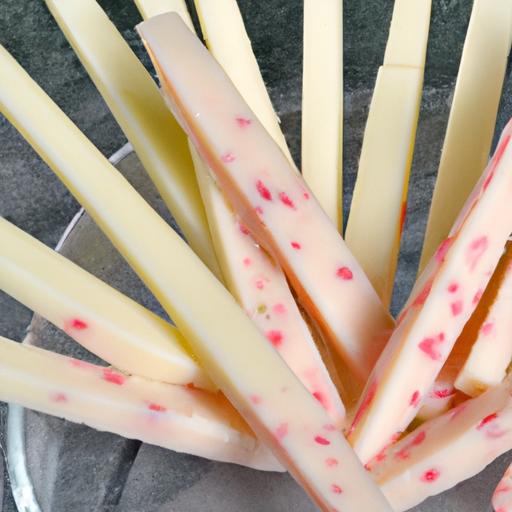

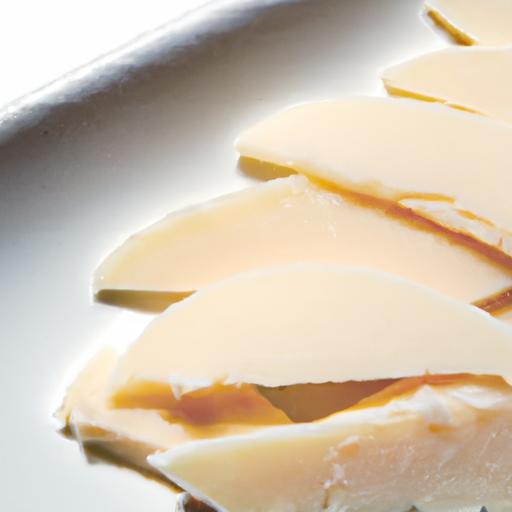
There’s something undeniably satisfying about peeling apart a string cheese stick,each thin ribbon teasing your taste buds with mild,creamy goodness. Beyond just a convenient snack, string cheese holds a engaging blend of history, science, and culinary charm that frequently enough goes unnoticed. In this article, we’ll unravel the story behind this beloved treat, exploring fun facts that stretch from its cheesy origins to its surprising versatility in the kitchen.So get ready to dive into the world of string cheese-where each pull promises not just a tasty delight, but a bit of edible wonder.
Discovering String Cheese: Origins and Nutritional Artistry
Unraveling String Cheese: Fun Facts and Tasty Delights invites you on a journey into the world of this beloved, stretchy snack that has charmed palates across the globe. originating from traditional Italian mozzarella-making techniques, string cheese’s unique texture comes from a specialized process that stretches and folds the curd, creating those satisfying strands perfect for pulling apart. This culinary craftsmanship not only delights with texture but also locks in the mild, creamy flavor that makes string cheese such a versatile treat.
As a highly nutritious snack,string cheese is packed with high-quality protein and essential calcium,making it an excellent choice for those seeking to fuel their body while indulging in taste.Whether you’re packing lunches for kids or prepping an elegant appetizer, understanding its origins enriches the enjoyment and thankfulness of every string pulled.
Prep and Cook Time
- Prep Time: 30 minutes
- Cook Time: 10 minutes
- Total Time: 40 minutes
Yield
- Makes about 6 homemade string cheese sticks
Difficulty Level
- Medium – Ideal for those cozy experimenting in the kitchen with fresh dairy and stretching curd textures
Ingredients
- 1 gallon whole milk (not ultra-pasteurized)
- 1 1/2 teaspoons citric acid, dissolved in 1/4 cup cool water
- 1/4 teaspoon liquid calcium chloride (optional, improves curd quality), diluted in 1/4 cup water
- 1/4 teaspoon liquid rennet diluted in 1/4 cup cool water
- 1 teaspoon kosher salt
- Ice water, for cooling
- Non-stick cooking spray or parchment paper, for molding
Instructions
- Prepare the Milk: Pour whole milk into a large stainless steel pot. Slowly heat to 90°F (32°C) over medium heat, stirring gently to prevent scorching.
- Add Citric Acid: Stir in the dissolved citric acid evenly, ensuring the milk begins to slightly sour, which helps create a supple curd texture.
- add Calcium Chloride (if using): Mix in the diluted calcium chloride to strengthen curd structure, especially if using pasteurized milk.
- Add Rennet: Stir in the diluted liquid rennet using an up-and-down motion for about 30 seconds. Then let the milk sit undisturbed for 5-7 minutes to set.
- Check for Curd Formation: Once firmness is achieved, use a long knife to cut curds into 1-inch cubes, slicing vertically then horizontally.
- Cook the Curds: Gently heat the pot to 105°F (40°C) over 5 minutes, stirring gently. This encourages proper curd contraction.
- Drain Whey: Using a slotted spoon, transfer curds into a colander lined with cheesecloth. Let whey drain for 5 minutes.
- Stretching the Curd: Heat water to 175°F (80°C) in a bowl or pot. Submerge curds in hot water using a slotted spoon.Using your hands or a spoon, begin stretching and folding the cheese curds repeatedly. Work quickly but carefully; cheese will become shiny and elastic.
- Shape the Cheese: Form the stretched curds into sticks about 6 inches long and 1 inch thick.You may lightly press or twist to enhance the stringy effect.
- Salt and Cool: Sprinkle kosher salt evenly over sticks while still warm, then submerge in ice water to cool and set shape for 5 minutes.
- Package or Serve: Pat dry and wrap individually in parchment or plastic wrap. homemade string cheese is best enjoyed fresh but will keep refrigerated for up to a week.
Chef’s Notes: Tips for Success
- Always use whole milk that’s not ultra-pasteurized. The proteins are more intact,yielding better stretch and flavor.
- For a sharper flavor twist, try adding herbs like fresh basil or cracked black pepper into the curds before stretching.
- If stretching feels tricky, reheat curds briefly in hot water to regain elasticity; never overheat or curds will become rubbery.
- Use clean,dry hands or wear food-safe gloves to avoid contaminating your cheese and aid gripping during stretching.
- make-ahead tip: Shape your cheese a day ahead and store wrapped in the fridge for rapid, DIY snacking anytime.
Serving Suggestions: Elevate Every Bite
Freshly homemade string cheese shines when paired thoughtfully. Serve as a standalone snack accompanied by crunchy apple slices or roasted almonds for complementary textures. Garnish platters with vibrant sun-dried tomatoes or a drizzle of rich extra virgin olive oil and a sprinkle of fresh oregano for an Italian-inspired bite. For a creative twist, wrap string cheese sticks in delicate nori sheets or dip ends in pesto for irresistible finger foods during parties.
Transform your snack time by incorporating string cheese into grain bowls alongside quinoa and roasted veggies, or add melted shreds atop grilled vegetables for a luscious finish.

| Nutrient | Per Serving (1 stick) |
|---|---|
| Calories | 80 |
| Protein | 7g |
| Carbohydrates | 1g |
| Fat | 5g |
| Calcium | 15% DV |
For a deeper dive into dairy-based snacks and their nutrition, visit our healthy cheese snack ideas article. Also, learn more about traditional mozzarella production at cheesemaking.com.
Q&A
Unraveling String Cheese: fun Facts and Tasty Delights
Q&A Edition
Q1: What exactly is string cheese, and why does it “string” apart?
A1: String cheese is a type of cheese crafted to peel away in long, thin strands-kind of like edible yarn! This unique texture comes from a special stretching process called “pasta filata,” where the cheese curds are heated and pulled until they align into parallel fibers. When you tug on a stick of string cheese, you’re actually unraveling these microscopic cheese threads, making snack time both fun and delicious.
Q2: Where did string cheese originate?
A2: the technique behind string cheese traces back centuries to Italy, notably with mozzarella.Over time, this method spread and evolved worldwide, inspiring many cultures to create their own versions. Today, string cheese comes in many varieties, from classic mozzarella to cheddar blends, making it a beloved snack far beyond its Mediterranean roots.
Q3: Why is string cheese often considered a kid’s favorite snack?
A3: its interactive nature makes string cheese especially appealing to kids-they get to unwind each piece strand by strand, turning eating into a playful activity. Plus, it’s a portable, mess-free protein boost that fits perfectly into lunchboxes or after-school snacks, combining fun and nutrition in one tasty package.
Q4: Are there different flavors or types of string cheese available?
A4: Absolutely! While traditional mozzarella flavor is a staple, many brands offer string cheese infused with herbs, spices, or even sharp cheddar blends. some creative cheesemakers experiment with everything from jalapeño kicks to garlic and basil, turning a simple snack into a flavor adventure.
Q5: How can you incorporate string cheese into cooking beyond snacking?
A5: String cheese is surprisingly versatile! It melts beautifully, making it perfect for topping pizzas, enriching sandwiches, or stirring into pasta dishes. You can also thread it onto skewers with vegetables and grapes for a colorful appetizer, or slice and toss it into fresh salads for a creamy texture. Its stringy nature ensures it adds both flavor and visual appeal to your culinary creations.
Q6: What nutritional benefits does string cheese offer?
A6: Packed with protein and calcium, string cheese supports muscle health and strong bones.It’s also relatively low in carbs, making it a convenient snack for those balancing their diet. Just be mindful of portions and sodium content, depending on the brand, to keep your snack time both satisfying and health-conscious.
Q7: Can string cheese go bad like other dairy products?
A7: Yes, like all cheese, string cheese is perishable. It should be stored in the refrigerator and consumed by the expiration date. if the cheese develops an off smell, unusual color, or slimy texture, it’s best to discard it. Keeping it properly sealed will maintain its freshness and fun stringy texture longer.
Q8: Is it possible to make string cheese at home?
A8: Brave cheesemakers can indeed try homemade string cheese! While it requires some patience and practice-especially mastering the stretching technique-DIY string cheese can be a rewarding project. Using fresh mozzarella curds, warm water baths, and gentle pulling motions, you can create your own strands of cheesy delight right in your kitchen.
Whether you’re peeling it, melting it, or slicing it into a snack, string cheese remains a tasty treat that’s as fun as it is flavorful. So next time you grab a stick, remember you’re unraveling centuries of cheesy craftsmanship!
Concluding Remarks
Whether you’re savoring its gooey pull or marveling at its surprising origins, string cheese proves that simple snacks can hold a world of wonder. From its clever production process to the joy it brings in every string, this humble treat invites us all to unwind, indulge, and maybe even share a playful moment or two. So next time you peel apart a strand of string cheese, remember-you’re partaking in a delicious tradition that’s as fun as it is flavorful. Keep savoring, keep exploring, and let every bite unravel a little more delight.