
golden Crusts & Sweet Secrets: The Story of cornbread
There’s something undeniably comforting about a warm piece of cornbread-the golden crust crackling softly as you break into it,revealing a tender crumb that’s both hearty and sweet. More than just a side dish on many American tables, cornbread carries with it centuries of history, tradition, and secrets baked into every bite. From its roots in Native American culture to its evolution through Southern kitchens, cornbread tells a rich story of adaptation, community, and flavor. Join us as we uncover the journey behind those golden crusts and the sweet secrets they hold, exploring how this humble bread has risen to become a beloved icon in culinary heritage.
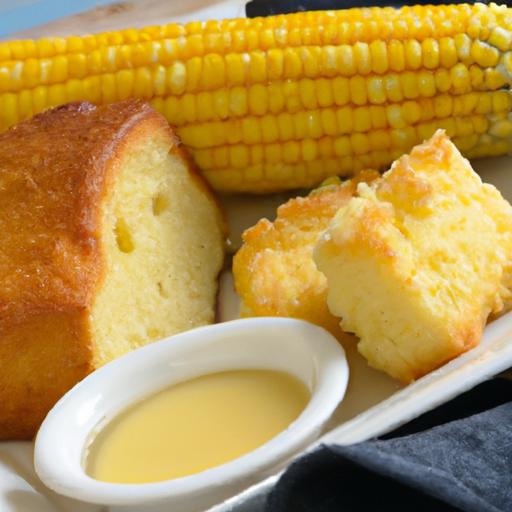
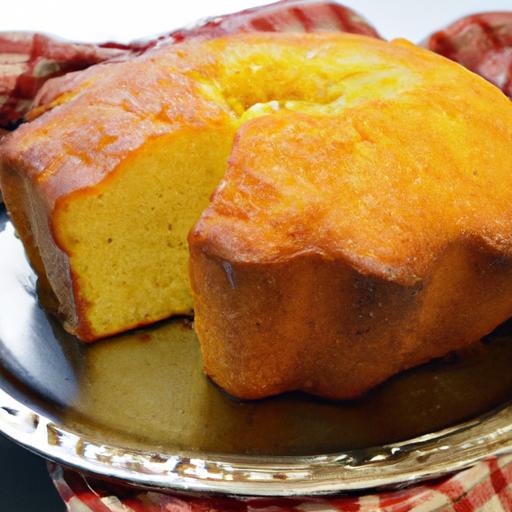
golden crusts and sweet secrets lie at the heart of mastering cornbread, a beloved staple whose allure stretches across regions and generations. This humble dish, rooted deeply in American culinary tradition, offers an irresistible golden crust that crackles with texture and a moist, tender crumb that captivates the senses. Whether you grew up savoring a Southern skillet version or discovered a crumbly Northern variant, exploring these regional nuances unlocks a world of flavor and technique – all while keeping the perfect golden crust front and centre.
Prep and Cook Time
- Planning: 10 minutes
- Cooking: 20-25 minutes
- Total: 30-35 minutes
yield
Serves 8 generous slices
Difficulty Level
Easy – Perfect for both beginners and seasoned bakers alike
Ingredients
- 1 cup yellow cornmeal, fine-ground
- 1 cup all-purpose flour, sifted
- 1/4 cup granulated sugar (optional but adds a subtle sweetness)
- 1 tbsp baking powder, ensure it’s fresh
- 1/2 tsp fine sea salt
- 1 cup whole milk
- 2 large eggs, beaten
- 1/4 cup melted unsalted butter, plus extra for the skillet
- 2 tbsp honey (a secret ingredient that deepens flavor and moisture)
- Optional: 1/2 cup creamed corn or corn kernels for extra texture and natural sweetness
Instructions
- Preheat: Set your oven to 425°F (220°C). Grease a 9-inch cast iron skillet or baking pan generously with butter to foster that signature golden crust.
- mix Dry Ingredients: In a large bowl,whisk together the cornmeal,sifted flour,sugar,baking powder,and salt until evenly combined.
- Combine Wet Ingredients: In a separate bowl, mix the whole milk, beaten eggs, melted butter, and honey until smooth and unified.
- Incorporate Wet into Dry: Pour the wet mixture into the dry ingredients, folding gently until just blended. avoid overmixing to keep your cornbread tender. If using creamed corn, fold it in now for added moisture and subtle sweetness.
- Pour and Spread: Pour batter into the prepared skillet, gently smoothing the surface with the back of a spoon or spatula.
- bake: Place skillet in the oven. Bake for 20-25 minutes, rotating halfway through if your oven runs hot, until the top is golden brown and a toothpick inserted in the center comes out clean.
- Cool Slightly: Let the cornbread rest for 5-7 minutes before slicing. this pause allows the crumb to set and intensifies flavor.
Tips for Success: Elevate Your cornbread Every Time
- Achieving the Golden Crust: Don’t skip buttering the skillet generously, especially if using cast iron – the butter renders and crisps the edges wonderfully.Alternatively,preheating the skillet before adding batter intensifies the crust’s golden crunch.
- Regional Variations: Southern cornbread favors less sugar and buttermilk, while Northern styles frequently enough introduce sweetener and milk. blending honey into your recipe marries these approaches beautifully, resulting in a crust that’s sweet yet balanced.
- Moisture Matters: Adding creamed corn or a touch of honey traps moisture inside, counteracting the dryness that cornmeal can sometimes bring. Avoid overbaking to keep that tender crumb.
- Substitutions: Buttermilk is an excellent swap for milk paired with 1/2 teaspoon baking soda to enhance rise and tang. For vegan options, almond milk and flax eggs work well but may alter crust color slightly.
- Advance prep: Batter can be made the night before and refrigerated; just stir lightly before baking. This allows flavors to meld and can improve texture.
Serving Suggestions
Presented fresh from the skillet, this cornbread pairs beautifully with hearty chili, spicy salsas, or creamy soups. A pat of honey butter or a drizzle of maple syrup accentuates the sweet secrets locked within its golden crust. For contrast, sprinkle chopped fresh herbs like chives or thyme atop the slices for a fresh, aromatic lift.
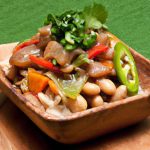
Try a dollop of tangy Greek yogurt or a scoop of smoky black bean salad for a visually vibrant plate. The golden crust invites a rustic presentation-serve slices warm wrapped in a linen napkin or on a wooden board for an authentic touch.

| Nutrition per Serving | Amount |
|---|---|
| Calories | 220 kcal |
| Protein | 5 g |
| Carbohydrates | 30 g |
| Fat | 8 g |
For a deeper dive into complementary Southern dishes to enjoy with cornbread, check out our guide to Southern Soulful Side Dishes. Additionally,learn about corn’s cultural importance and cooking techniques by visiting the National Cornbread Day site.
Q&A
Q&A: Golden Crusts & Sweet Secrets: The Story of Cornbread
Q: What is cornbread, and why does it hold such a special place in culinary history?
A: Cornbread is a humble yet hearty bread made primarily from cornmeal, celebrated for its golden crust and tender crumb. It’s more than just food-it’s a symbol of resourcefulness and tradition, tracing back centuries to Indigenous peoples of North america who first transformed ground corn into nourishing meals. Over time, cornbread evolved alongside diverse cultures, becoming a staple in kitchens across the Americas.
Q: How did cornbread originate before becoming a classic Southern comfort food?
A: Cornbread’s roots run deep with Native American tribes, who pioneered the use of maize in cooking. They ground dried corn into meal and cooked it simply over open fires. European settlers adopted these techniques, adapting recipes and baking methods, which eventually gave rise to the numerous regional versions we see today-from skillet breads to sweet, cake-like varieties.
Q: What makes cornbread’s texture and flavor so unique?
A: The magic lies in cornmeal’s gritty texture and naturally sweet, earthy flavor. When baked, it forms a crisp, golden crust that encloses a moist, crumbly interior. This contrast of crunchy exterior and tender crumb delivers a sensory experience that’s both satisfying and nostalgic.
Q: Are there different styles of cornbread across the United States?
A: Absolutely! In the South, cornbread frequently enough leans savory with cornmeal, buttermilk, and a pinch of salt. Northern and Midwestern styles tend to be sweeter and cake-like, sometimes incorporating sugar and baking powder for a lighter texture. Some Native American recipes traditionally steamed cornmeal and formed it into loaves or cakes, showcasing yet another unique preparation.
Q: What ingredients give cornbread its signature golden color?
A: the shining yellow hue is primarily from the cornmeal itself, which can range from pale white to vibrant yellow depending on the type of corn used. When baked, the natural sugars caramelize on the surface, creating that coveted golden crust that’s as visually appealing as it is delicious.
Q: How has cornbread been adapted in modern cooking?
A: Today, cornbread enjoys endless reinterpretations. Some add fresh corn kernels or jalapeños for bursts of texture and heat,while others incorporate honey or maple syrup for subtle sweetness. Gluten-free versions spotlight cornmeal’s natural gluten-free status, making cornbread accessible to many dietary needs. Despite these twists, the essence remains: a warm, crusty loaf infused with the spirit of tradition.Q: What is the cultural significance of cornbread beyond the plate?
A: cornbread is woven into stories, festivals, and family gatherings, embodying comfort and community. It has long been a symbol of sustenance during hard times and a celebratory dish on festive occasions. Sharing cornbread often means sharing heritage, memories, and a taste of the land’s bounty.Q: Can cornbread be paired with other dishes, and if so, which?
A: Cornbread’s versatility allows it to complement an array of dishes, especially those rich in flavor or hearty in nature. It pairs beautifully with vegetable stews, chili (meat-free options abound!), roasted root vegetables, and smoky grilled mushrooms. Its slightly sweet crunch offers a perfect balance to savory, spicy, or tangy flavors.
Q: What tips ensure the perfect cornbread baking experience?
A: For a golden crust and moist center, preheat your baking skillet or pan before pouring in the batter-that sizzling contact jumpstarts crispiness. Use fresh cornmeal and avoid overmixing the batter to keep the crumb tender. Experimenting with texture, sweetness, and spice can help you find your signature golden slice.
Q: Why does cornbread continue to captivate modern food lovers?
A: Cornbread’s enduring appeal comes from its simple ingredients, comforting textures, and the rich cultural narrative baked within. Each bite tells a story of adaptability, community, and the timeless joy of sharing food made with care.It’s a golden crust wrapped around sweet secrets of history-and that’s a recipe worth savoring.
In Conclusion
As the warm aroma of golden crusts lingers in the air and the sweet secrets of cornbread reveal themselves bite by bite, we come to appreciate more than just a humble side dish. Cornbread is a delicious testament to history,culture,and tradition-a simple loaf that carries the stories of generations past and the promise of gatherings yet to come. So next time you savor a slice, remember: within that golden crust lies a rich tapestry of flavor and heritage, waiting to be shared and celebrated.