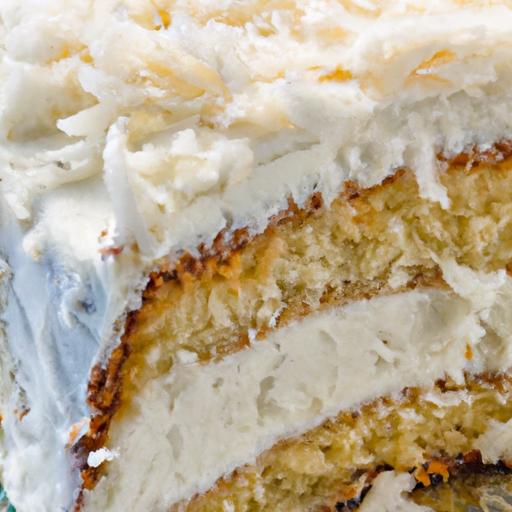

There’s something undeniably enchanting about the sweet, nutty aroma of coconut that instantly whisks you away to sun-drenched beaches and swaying palm trees. If you’re looking to infuse your baking with a burst of tropical delight, a coconut cake is the perfect way to transport your taste buds on a mini-vacation. This tasty coconut cake recipe combines tender,moist layers with rich coconut flavour,delivering a luscious treat that’s both comforting and exotic. Whether you’re a seasoned baker or just beginning to explore the world of desserts, this tropical twist will elevate your baking repertoire and bring a slice of paradise straight to your table.
Delicious coconut cake recipe starts with selecting the freshest, highest-quality ingredients to truly unlock the essence of tropical bliss in every bite. Whether it’s the creamy coconut milk or the finely shredded coconut, each component plays a pivotal role in achieving that dreamy balance of moistness and fluffiness that defines a perfect coconut cake.
Choosing the Perfect Coconut Ingredients for Maximum Flavor
For an authentic and vibrant coconut flavor, opt for freshly grated coconut when possible, as its oils and aroma far surpass the dried versions. If fresh coconut isn’t accessible, choose unsweetened shredded coconut with fine texture to blend smoothly into your batter. Quality coconut milk is essential-canned varieties with a creamy consistency add richness without overpowering the cake’s balance. Avoid low-fat or watery coconut milk, which can compromise both texture and flavor. For extra zing, try incorporating a splash of pure coconut extract alongside vanilla to intensify the tropical notes.
Mastering the Art of Moist and Fluffy Coconut Cake Texture
Achieving a moist and fluffy texture hinges on gentle folding and the perfect balance between wet and dry ingredients. Use cake flour or sifted all-purpose flour for a tender crumb, ensuring you don’t overmix-this can toughen the batter. Incorporate room-temperature butter and eggs for smooth emulsification, trapping air to lift the cake as it bakes. Adding sour cream or Greek yogurt introduces acidity and moisture, while the coconut milk enriches the cake without making it dense. Baking at a moderate temperature allows the cake to rise steadily, preventing dryness or overly browned edges. Always test with a toothpick at the center before removing to ensure perfect doneness.
Creative Frosting Ideas to Complement your tropical Delight
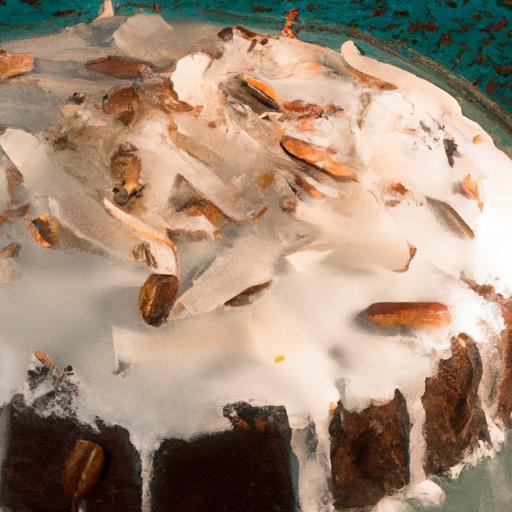
The ideal frosting should enhance but not overshadow the delicate coconut flavor. A coconut cream cheese frosting achieves this harmony, combining tangy cream cheese with silky coconut cream and a hint of vanilla sugar for sweetness. For a lighter contrast,whip a batch of coconut whipped cream infused with toasted coconut flakes and a drizzle of honey or maple syrup. Another indulgent option is a white chocolate coconut ganache, rich and glossy, pairing decadently with the moist cake layers and providing a luxurious textural contrast. Don’t forget to garnish with toasted or candied coconut shavings for an irresistible finishing touch.
Tips for Presentation and Serving to Impress Your Guests
Presentation elevates the experience-serve your Delicious coconut cake recipe on a vibrant platter to reflect its tropical roots. layer the cake neatly, piping delicate rosettes or swirls of frosting between and on top. Scatter edible flowers or fresh tropical fruits like kiwi, mango slices, or passion fruit seeds for pops of colour and tang. Dust with a sprinkle of toasted coconut flakes for texture and aroma. When plating individual slices, a dollop of coconut cream or a scoop of mango sorbet refreshes the palate and impresses every guest with thoughtful detail.
Prep and Cook Time
- Prep Time: 20 minutes
- Cook Time: 30-35 minutes
Yield
Serves 8-10 generous slices
Difficulty Level
Medium – perfect for bakers ready to impress with a classic tropical treat
Ingredients
- 1 ¾ cups cake flour, sifted
- 1 ½ tsp baking powder
- ½ tsp baking soda
- ¼ tsp fine sea salt
- ¾ cup unsalted butter, softened
- 1 ¼ cups granulated sugar
- 3 large eggs, room temperature
- 1 tsp pure vanilla extract
- ½ tsp coconut extract
- 1 cup full-fat coconut milk
- ½ cup sour cream or Greek yogurt
- 1 ½ cups unsweetened shredded coconut, finely shredded
Instructions
- Preheat your oven to 350°F (175°C). Grease and flour two 8-inch round cake pans or line with parchment paper.
- Whisk together the cake flour, baking powder, baking soda, and salt in a bowl. Set aside.
- In a large mixing bowl, cream the butter and sugar until light and fluffy, about 3-5 minutes with a hand mixer or stand mixer on medium speed.
- Add eggs one at a time,mixing well after each addition. stir in vanilla and coconut extracts.
- Reduce mixer speed to low and alternately add the flour mixture and coconut milk, beginning and ending with dry ingredients. Mix just until combined.
- Fold in the sour cream (or Greek yogurt) and shredded coconut with a spatula, being careful not to overmix to maintain airiness.
- Divide the batter evenly between the prepared pans and smooth the tops.
- Bake for 30-35 minutes, rotating halfway through, or until a toothpick inserted into the center comes out clean.
- Allow cakes to cool in pans for 10 minutes, than invert onto wire racks to cool completely before frosting.
Chef’s Notes: Tips for Success
- For extra moistness, brush each cake layer with a simple coconut syrup made from equal parts coconut milk and sugar heated until dissolved.
- Substitute cake flour with all-purpose flour plus 2 tbsp cornstarch for a similar tender crumb.
- Use room-temperature ingredients to ensure smooth blending and proper rise.
- Store the cake refrigerated, wrapped tightly, for up to 3 days; bring to room temperature before serving.
- Make the cake layers a day ahead for easier assembly and deeper flavor progress.
Serving Suggestions
Slice the cake neatly with a serrated knife, wiping it clean between each cut for perfect edges. Plate each slice with a scattering of toasted coconut flakes and a spoonful of tropical fruit compote-think pineapple or mango. Serve alongside a chilled coconut latte or a refreshing iced hibiscus tea to amplify those island vibes.
| Nutritional Data (per serving) | Amount |
|---|---|
| Calories | 420 kcal |
| Protein | 5 g |
| Carbohydrates | 44 g |
| Fat | 24 g |

For more tropical baking inspiration,check out our Mango Pineapple Upside-Down Cake recipe. To deepen your understanding of coconut’s culinary versatility, visit coconut Oil’s Official Facts page.
Q&A
Q&A: Delicious Coconut Cake Recipe – A Tropical Twist to Baking
Q1: What makes a coconut cake truly tropical and delicious?
A1: The magic lies in layering moist, fluffy cake infused with real shredded coconut and coconut milk, combined with a luscious coconut cream frosting. This blend evokes island breezes and sunny beaches in every bite, making the cake irresistibly tropical and delightfully rich.Q2: Can I use fresh coconut, or is shredded dried coconut better for the recipe?
A2: Both have their merits! Fresh coconut adds unbelievable moisture and vibrant flavor, while shredded dried coconut provides texture and a concentrated coconut taste. many bakers love to combine the two – using fresh for the batter and shredded to sprinkle atop the frosting for that perfect crunch.
Q3: How can I ensure my coconut cake stays moist?
A3: Coconut milk is your best friend here! Incorporating it instead of regular milk keeps the crumb tender and moist. Also, gently folding shredded coconut into the batter adds moisture pockets, while wrapping the finished cake in plastic wrap or storing it in an airtight container helps lock in freshness.
Q4: Are there any creative twists to elevate a classic coconut cake?
A4: absolutely! Consider adding a layer of pineapple compote or passionfruit curd between the cake layers for a zesty surprise. Toasted coconut flakes or macadamia nuts sprinkled on top bring an added crunch and tropical flair. even a hint of lime zest in the frosting can brighten flavors beautifully.
Q5: What kind of frosting pairs best with a coconut cake?
A5: Coconut cream frosting is a fan favorite – silky and sweet with just the right coconut essence. Alternatively, a light cream cheese frosting balances the sweetness with tang and richness, complementing the coconut without overpowering it.
Q6: Can I make this coconut cake vegan or dairy-free?
A6: Yes! Use coconut oil or vegan butter instead of regular butter,and substitute dairy milk with full-fat coconut milk. For the frosting, coconut whipped cream or a dairy-free cream cheese alternative keeps the flavors intact, perfect for those avoiding animal products.
Q7: How do I prevent shredded coconut from sinking to the bottom of the cake while baking?
A7: To keep shredded coconut suspended evenly throughout the batter, toss it lightly in a bit of flour before folding it in. This simple trick helps the coconut “cling” to the batter and bake evenly without settling.
Q8: What occasions are perfect for serving a tropical coconut cake?
A8: This cake shines at summer parties, birthdays, beach-themed celebrations, or anytime you crave a sweet escape to the tropics. Its light, refreshing flavor makes it a crowd-pleaser that transports guests to an island paradise with every bite.
Q9: Can I freeze coconut cake, and how should I do it properly?
A9: definitely! Freeze the cooled cake layers individually, wrapped tightly in plastic wrap and then foil to prevent freezer burn. Once ready to enjoy, thaw overnight in the fridge before frosting and assembling.The cake retains its moisture and flavor beautifully with this method.
Q10: Is coconut cake a good base for creative cake decorations?
A10: Yes, indeed! The neutral yet flavorful base pairs well with tropical-themed decorations like edible flowers, toasted coconut edges, or even fresh mango slices.its sturdy yet moist texture supports intricate designs without sacrificing softness.
Baking a coconut cake isn’t just making dessert-it’s crafting a slice of paradise. With these tips and tropical tricks, your kitchen is set to become the sweetest island getaway!
In Retrospect
As you wrap up your journey with this delicious coconut cake recipe, you’re not just baking a dessert-you’re capturing the essence of the tropics in every bite. the luscious layers, the sweet aroma of coconut, and the moist crumb come together to create a treat that’s both comfortingly familiar and delightfully exotic. Whether you’re celebrating a special occasion or simply craving a sweet escape, this cake brings island sunshine straight to your kitchen. So go ahead, slice a generous piece, savor every forkful, and let this tropical twist inspire your next baking adventure. happy baking!