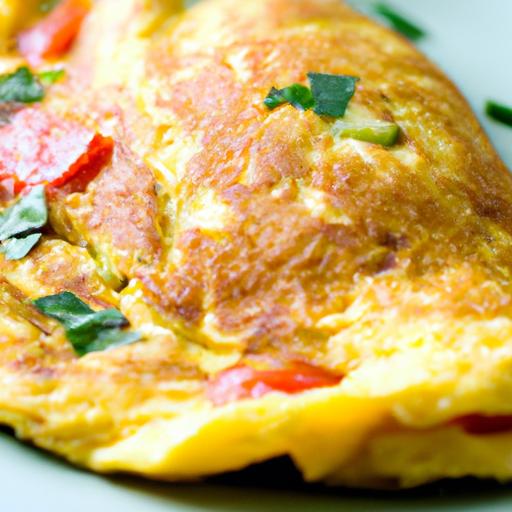

There’s something almost magical about a perfectly fluffy omelette-a delicate cloud of eggs that’s tender, airy, and bursting with flavor. Whether you’re a seasoned home cook or a beginner stepping into the kitchen, mastering this quintessential breakfast classic can elevate your culinary skills and transform your mornings. In this guide,we’ll unravel the secrets behind achieving that picture-perfect fluff,from choosing the right ingredients to mastering technique and timing. Prepare to crack open a world where simple eggs become an edible masterpiece, as we embark on the journey to create the perfect fluffy omelette every single time.
Choosing the Finest Ingredients for Ultimate Fluffiness
Mastering the art of the perfect fluffy omelette begins with selecting ingredients that can elevate texture and flavor to stunning heights. The secret lies in fresh, high-quality eggs-preferably free-range or organic-as their richer yolks and firmer whites create that coveted cloudlike structure. Whole, large eggs provide the ideal ratio of protein and fat for optimal puffiness. Avoid overly cold eggs straight from the fridge; rather, bring them to room temperature to ensure an even whisk and better rise.
Beyond eggs, the choice of dairy matters immensely. A splash of whole milk or crème fraîche adds moisture and tenderness, helping the omelette maintain a delicate, creamy interior.Fresh herbs such as chives, tarragon, or dill provide aromatic depth without overpowering the egg, while a hint of finely grated cheese-Gruyère or aged cheddar-melts into silky pockets that punctuate each fluffy bite.
Techniques to Whisk Your eggs to Cloudlike Perfection
Achieving the ultimate fluffy texture relies as much on technique as on ingredients. Beat the eggs vigorously with a fork or balloon whisk to incorporate air, aiming for a uniform pale yellow mixture without any streaks of yolk. For an extra lift, gently folding in beaten egg whites separately before cooking transforms your omelette into a light-as-air masterpiece. Season with salt just before cooking because salt can weaken the egg proteins if added too soon.
Whisk the eggs using rapid, circular motions, stopping once you see tiny bubbles form. Overbeating can deflate the mixture, while under-whisking results in a dense, flat finish. mastering this step sets the foundation for the texture that will define your fluffy omelette.
Temperature Tips and Timing Secrets for Flawless Cooking
Controlling heat is essential when crafting the perfect fluffy omelette. A nonstick pan over medium-low heat ensures gentle cooking that warms through without browning or toughening the eggs. Preheat your pan for at least 1-2 minutes with a touch of unsalted butter, watching for it to foam but not brown.
Pour in your whisked eggs and resist the urge to stir aggressively; rather, tilt the pan gently to allow uncooked eggs to flow to the edges. Using a silicone spatula,lift the edges carefully to let steam escape,helping the omelette cook evenly and puff up beautifully. Remove from heat just before fully set-the residual heat will finish the cooking, leaving a tender, slightly custardy inside. Timing here is everything.
creative Fillings and Folding Methods to Elevate Your omelette
While the classic French-style omelette opts for simplicity, creative fillings elevate your fluffy creation into a vibrant canvas of flavors and textures. Think tender sautéed mushrooms tossed with garlic and thyme, roasted cherry tomatoes bursting with sweetness, or delicate ribbons of fresh asparagus crisp-tender from a quick steam. Soft cheeses like goat cheese or ricotta add tantalizing creaminess with every bite.
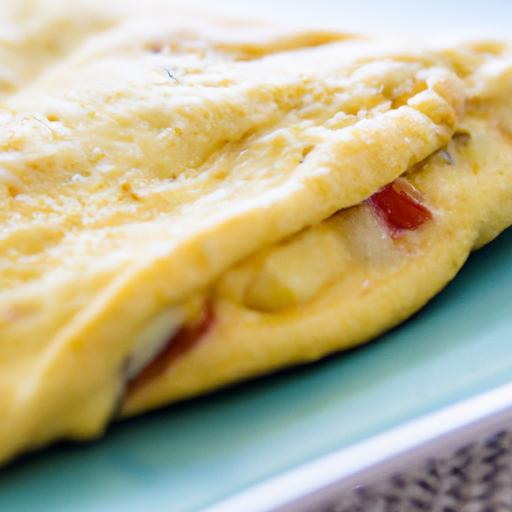
When folding, opt for the tri-fold for elegance: gently fold one side over the filling, then the other, creating a neat, envelope-shaped omelette. Alternatively, a half-moon fold showcases vibrant fillings peeking from the center and is easily mastered by beginners. serve promptly for that remarkable puff and shine.
Prep and Cook Time
- Preparation: 10 minutes
- Cooking: 5 minutes
- Total Time: 15 minutes
Yield
Serves 1 fluffy, satisfying omelette
Difficulty Level
Easy to Medium – perfect for weekday breakfasts and leisurely brunches alike
Ingredients
- 3 large fresh eggs, at room temperature
- 1 tbsp whole milk or crème fraîche
- 1 tbsp unsalted butter
- Salt and freshly cracked black pepper, to taste
- 2 tbsp finely grated Gruyère or aged cheddar
- 2 tbsp chopped fresh herbs (chives, tarragon, or parsley)
- Optional fillings: sautéed mushrooms, roasted cherry tomatoes, spinach, goat cheese, steamed asparagus tips
Instructions
- Whisk the eggs gently. In a bowl, beat the eggs with milk and a pinch of salt until slightly frothy and pale yellow.
- Heat the pan. Place a nonstick skillet over medium-low heat and melt the butter. Let it foam but avoid browning.
- Cook the eggs. Pour the egg mixture into the pan. Without stirring rapidly, tilt the pan side to side, helping uncooked eggs flow to the edges.
- Lift and fold. When edges start setting but the center remains slightly runny, scatter cheese, herbs, and fillings on one half.
- Fold the omelette. Using a silicone spatula, fold one side over the fillings, then fold it again into a tri-fold or half-moon shape.
- Finish off. Slide the omelette onto a warm plate and garnish immediatly with fresh herbs or microgreens for vibrant color.
tips for Success
- Use room temperature eggs for easier whisking and fluffier texture.
- Resist adding salt too early; it can deflate your eggs.
- Low and slow cooking prevents browning and keeps the omelette tender.
- If using delicate fillings like herbs or cheese, add them just before folding to keep their flavor radiant.
- Consider folding in whipped egg whites folded gently into yolks for an extra lofty omelette.
- Make-ahead tip: prepare fillings in advance and reheat gently before incorporating.
Serving Suggestions
Serve your fluffy omelette alongside crisp, buttered sourdough toast or a light, peppery arugula salad. A dollop of creamy Greek yogurt and a scatter of vibrant edible flowers elevate the plate beautifully. For a Mediterranean touch, accompany with sun-dried tomatoes and olives. A freshly squeezed orange juice or fragrant herbal tea will round out this elegantly simple meal.

| Nutrient | Per Serving |
|---|---|
| Calories | 280 kcal |
| Protein | 18 g |
| Carbohydrates | 2 g |
| Fat | 22 g |
For further inspiration on egg techniques, explore our Foolproof scrambled Eggs Guide and discover professional tips. Additionally,the Serious eats article offers a fantastic science-based approach to egg cooking.
Q&A
Q&A: Mastering the art of the Perfect Fluffy Omelette Guide
Q1: What’s the secret to making an omelette incredibly fluffy?
A1: The magic lies in whipping the eggs before cooking. By whisking air into the eggs until they’re light and frothy, you create an airy base that puffs up beautifully in the pan. A splash of milk or water can also help steam the omelette from within, adding to the fluffiness.
Q2: Should I separate the egg whites and yolks when aiming for maximum fluff?
A2: While it’s not mandatory,separating the whites and beating them to soft peaks before folding them back into the yolks results in a cloud-like texture. This technique creates a more pronounced lift, transforming your omelette into a fluffy masterpiece.
Q3: What pan type works best for a fluffy omelette?
A3: A non-stick skillet is your best friend here. It allows the egg to cook evenly without sticking or tearing, helping the omelette rise smoothly and retain its softness.
Q4: How do temperature and cooking time affect the fluff?
A4: medium-low heat is key. Cooking too fast at high heat can toughen the eggs, while slow cooking allows the fluffy air bubbles to set gently. Patience here wins the fluff crown!
Q5: Can I add cheese or veggies without compromising fluffiness?
A5: Absolutely! Choose finely chopped veggies and sprinkle cheese sparingly to avoid weighing down the eggs. Adding ingredients midway through cooking, before folding, helps maintain that airy structure.
Q6: Any tips for folding the omelette without deflating it?
A6: Use a wide spatula and fold gently but confidently. Folding in half or thirds, rather than rolling tightly, preserves the lightness while giving you that classic omelette shape.
Q7: What’s a simple flavor enhancer to elevate my fluffy omelette?
A7: Fresh herbs like chives, tarragon, or parsley add bright, fresh notes without overpowering the delicate fluff. Sprinkle them just before serving for that perfect aromatic finish.
Q8: Can I prepare the egg mixture in advance?
A8: It’s best to cook immediately after whisking the eggs to enjoy peak fluffiness. letting the mixture sit too long can cause the air bubbles to deflate and the omelette to be denser.
Q9: How can I make a vegan version that’s equally fluffy?
A9: Aquafaba (the liquid from canned chickpeas) whipped to soft peaks can mimic egg whites, while chickpea flour or silken tofu mixed with a bit of baking powder creates a fluffy, egg-free base.it’s an exciting way to master fluffiness without eggs!
Q10: What’s the ultimate mindset for mastering the fluffy omelette?
A10: Embrace patience and curiosity. Fluffiness is as much about technique as it is indeed about understanding your ingredients and heat control. Each omelette brings a new chance to perfect your art!
In Conclusion
As you close the pan on your journey to mastering the perfect fluffy omelette, remember that this culinary art is as much about patience and technique as it is about creativity and personal flair. With every gentle fold and careful whisk,you’re not just crafting a breakfast staple-you’re elevating a simple combination of eggs into a light,airy masterpiece. So, armed with thes tips and your newfound confidence, step into your kitchen ready to whip up omelettes that delight the palate and brighten your morning. After all, the perfect fluffy omelette isn’t just a dish-it’s an experience waiting to unfold on your plate.